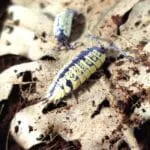
Coccinella septempunctata
Price range: 15,00€ through 25,00€
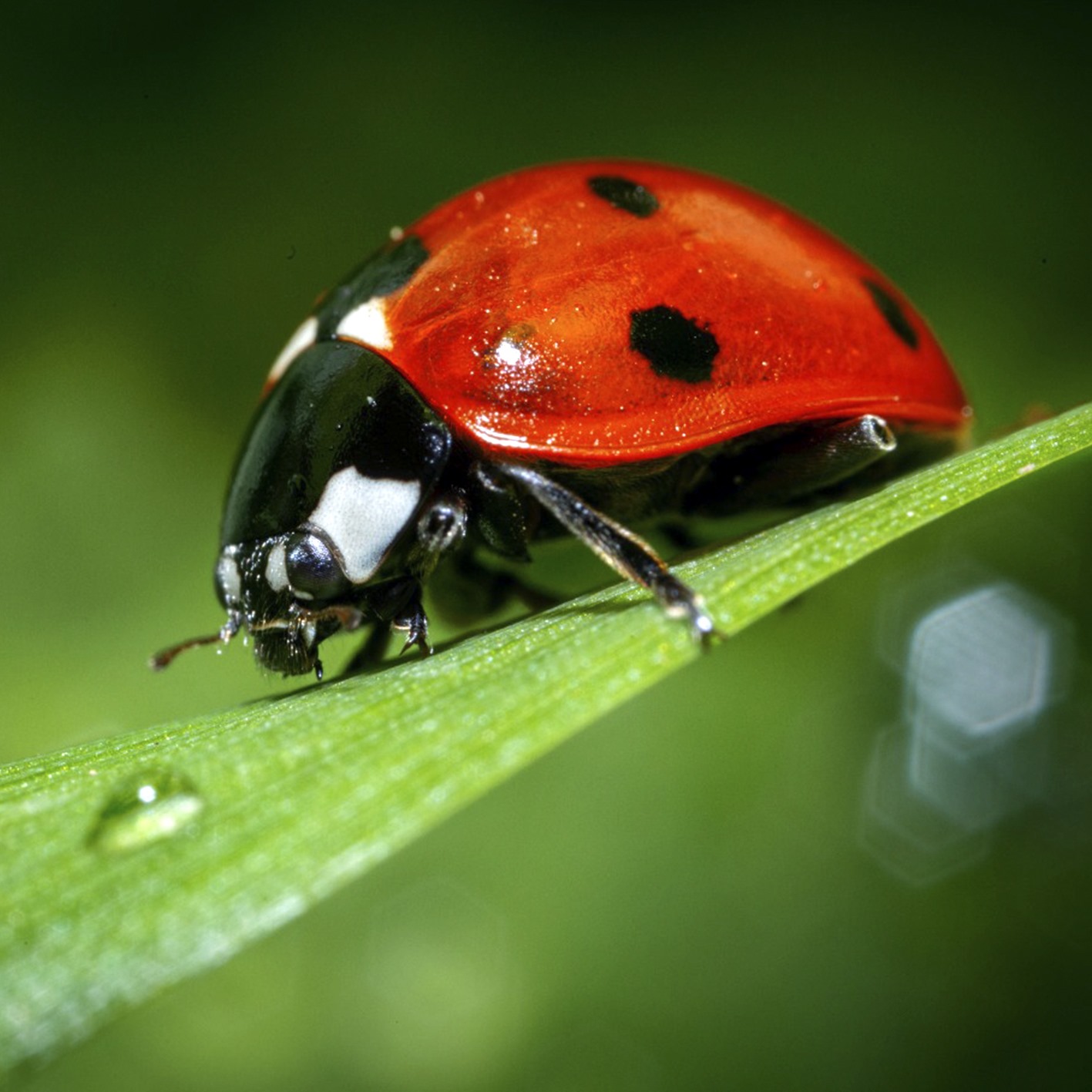
Scientific Name: Coccinella septempunctata Common Name: Seven-spot ladybird, seven-spotted ladybug.
Class: Insecta
Order: Coleoptera
Family: Coccinellidae
Genus: Coccinella
Description: The seven-spot ladybird is a small insect, typically measuring between 5 to 8 millimeters in length. It has a hemispherical, rounded body with bright red elytra and characteristic black spots. Usually, there are seven black spots, though the number can vary. They have short antennae and a head that retracts under the pronotum. The larvae are elongated and black with yellow or orange spots.
Habitat and Distribution: The seven-spot ladybird is commonly found in various habitats, including meadows, gardens, agricultural fields, and forests. It is native to Europe but has been introduced to many other parts of the world due to its usefulness in pest control.
Benefits and Pest Control: Seven-spot ladybirds are known to be voracious predators of many insects considered pests in agriculture. They primarily feed on aphids and scale insects but also consume other insects such as thrips, mites, and larvae of other pest insects. Some of the advantages of having seven-spot ladybirds in crops include:
- Natural Pest Control: Ladybirds help keep populations of harmful insects in check, thereby reducing the need for chemical pesticides.
- Effectiveness and Efficiency: They are effective in reducing pest populations due to their high consumption rate and rapid reproduction.
- Non-Harmful to Plants: Unlike pesticides, ladybirds do not harm plants or the environment, making them an ecological and sustainable option for pest control.
- Low Maintenance: Once introduced to an area, seven-spot ladybirds tend to establish and maintain themselves without the need for human intervention.
In summary, the seven-spot ladybird is a beneficial insect for both agriculture and the environment, as it plays a crucial role in natural pest control and contributes to the health of agricultural ecosystems.
| Options | 10 units, 20 units |
|---|