
European ants
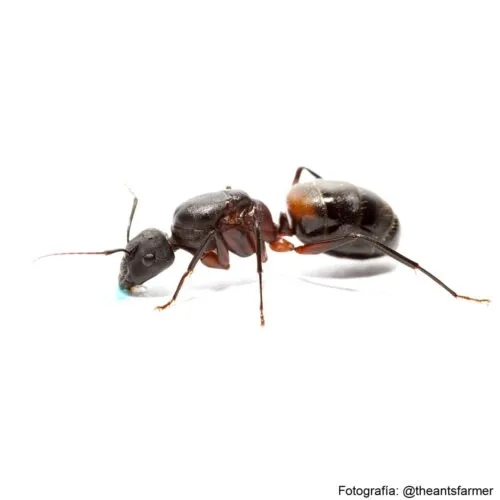
Camponotus Cruentatus
Scientific name: Camponotus cruentatus Taxonomic classification: Kingdom: Animalia Phylum: Arthropoda Class: Insecta Order: Hymenoptera Family: Formicidae Subfamily: Formicinae Genus: Camponotus
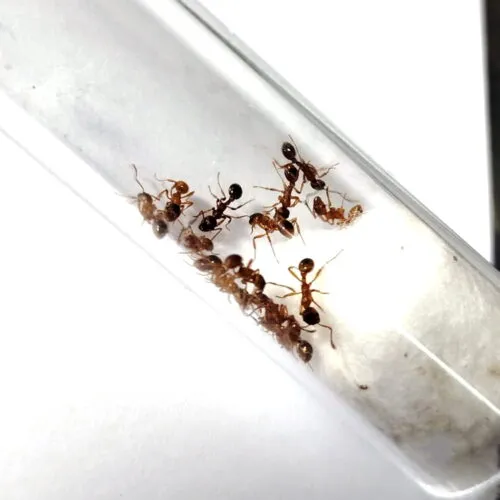
Myrmica rubra
Discover the fascinating world of the Myrmica rubra ant in your terrarium or artificial anthill. Observe their incredible teamwork and organization. An educational and exciting experience!
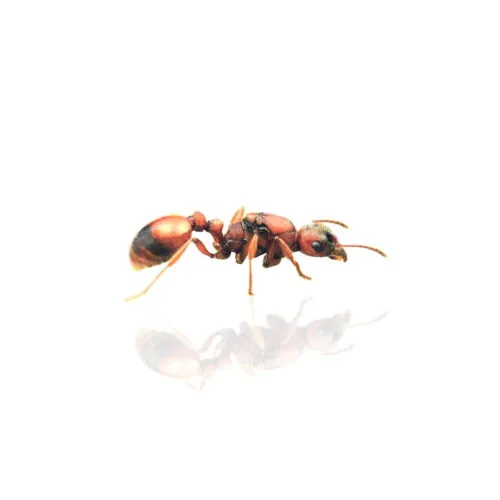
Manica rubida (Queen)
Scientific Name: Manica rubida Taxonomic Classification: Kingdom Animalia, Phylum Arthropoda, Class Insecta, Order Hymenoptera, Family Formicidae, Subfamily Myrmicinae, Tribe Myrmicini,
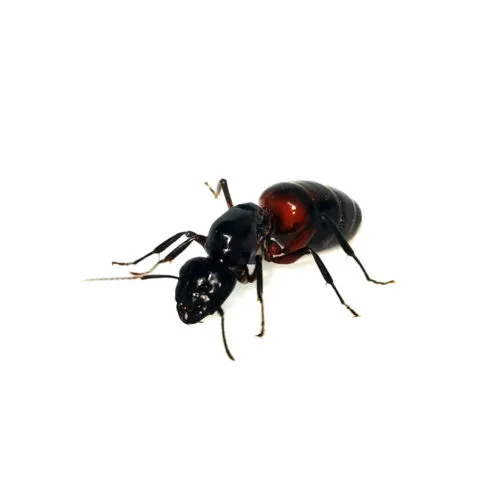
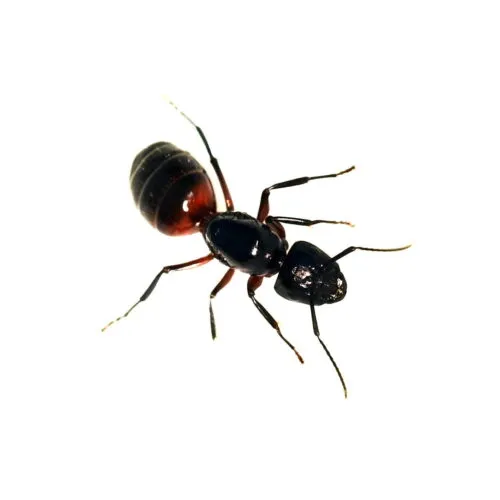
Camponotus ligniperdus (Queen)
Scientific name: Camponotus ligniperdus Taxonomic classification: Kingdom: Animalia Phylum: Arthropoda Class: Insecta Order: Hymenoptera Family: Formicidae Genus: Camponotus Species: C.
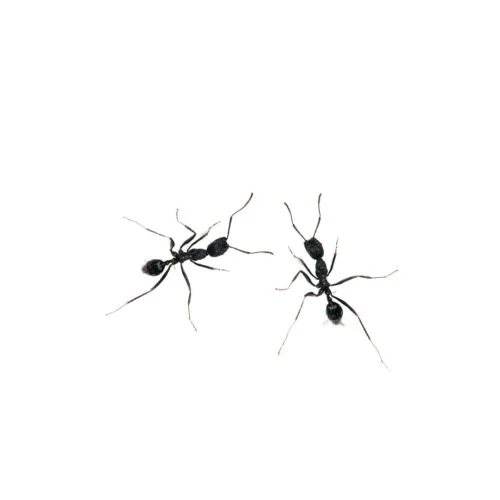
Aphaenogaster senilis

Camponotus herculeanus

Camponotus vagus

Formica sanguinea


Camponotus pilicornis
Canponotus pilicornis It requires low humidity in the nest, and nocturnal habits. Very sensitive to vibrations, especially at the beginning
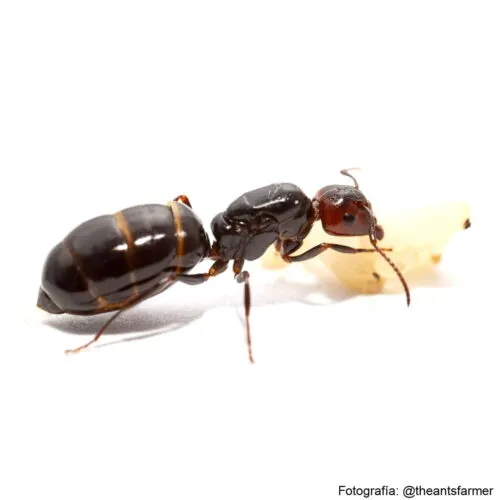
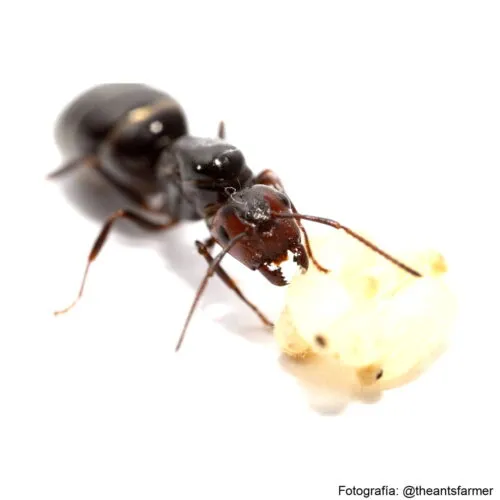
Camponotus lateralis
Scientific name: Camponotus lateralis Taxonomic classification: Kingdom Animalia, Phylum Arthropoda, Class Insecta, Order Hymenoptera, Family Formicidae, Subfamily Formicinae, Genus Camponotus.

Messor minor hesperius (Queen)
Messor minor hesperius Description: The Messor Minor Hesperius is a mainly granivorous species, watching how they prepare ant bread (paste
In this category you will find a brief explanation about native / European ants and ants from neighboring countries (non-European but with similar climate to Spain).
Our native ants.
The native ants of this category are the ants that you can find mainly in Spain but also in other countries like France, Italy or Portugal (others in Europe).
They are species that do not vary much in their climate or natural environment.
Care of a native ant.
In this case it is important to know the diet of the ant chosen and its natural area to choose an ant nest or nest to be in certain conditions.
The importance of humidity and temperature, both native ants and exotic ants require a minimum of control to find out if it requires more or less humidity.
In native ants it is easier because of the climate, etc…
As it has been commented in the category of ants in general the ants pass a control of security and cares to have a guarantee -> You can see the guarantee in the following link -> See Guarantee
If you have questions about european ants and their availability, please contact us via WhatsApp or email.
In the contact page you will find more information.
**If you detect a spelling error, we apologize, please contact us to inform us. Thank you


