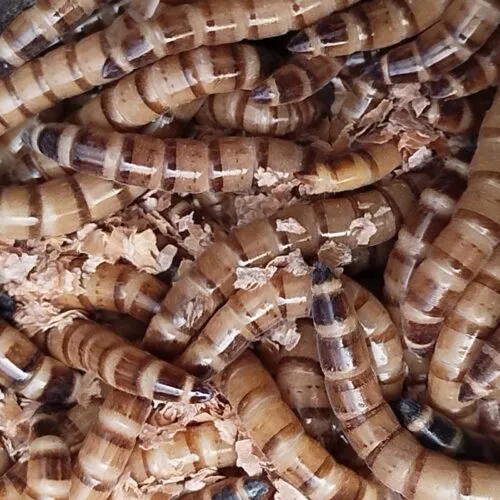
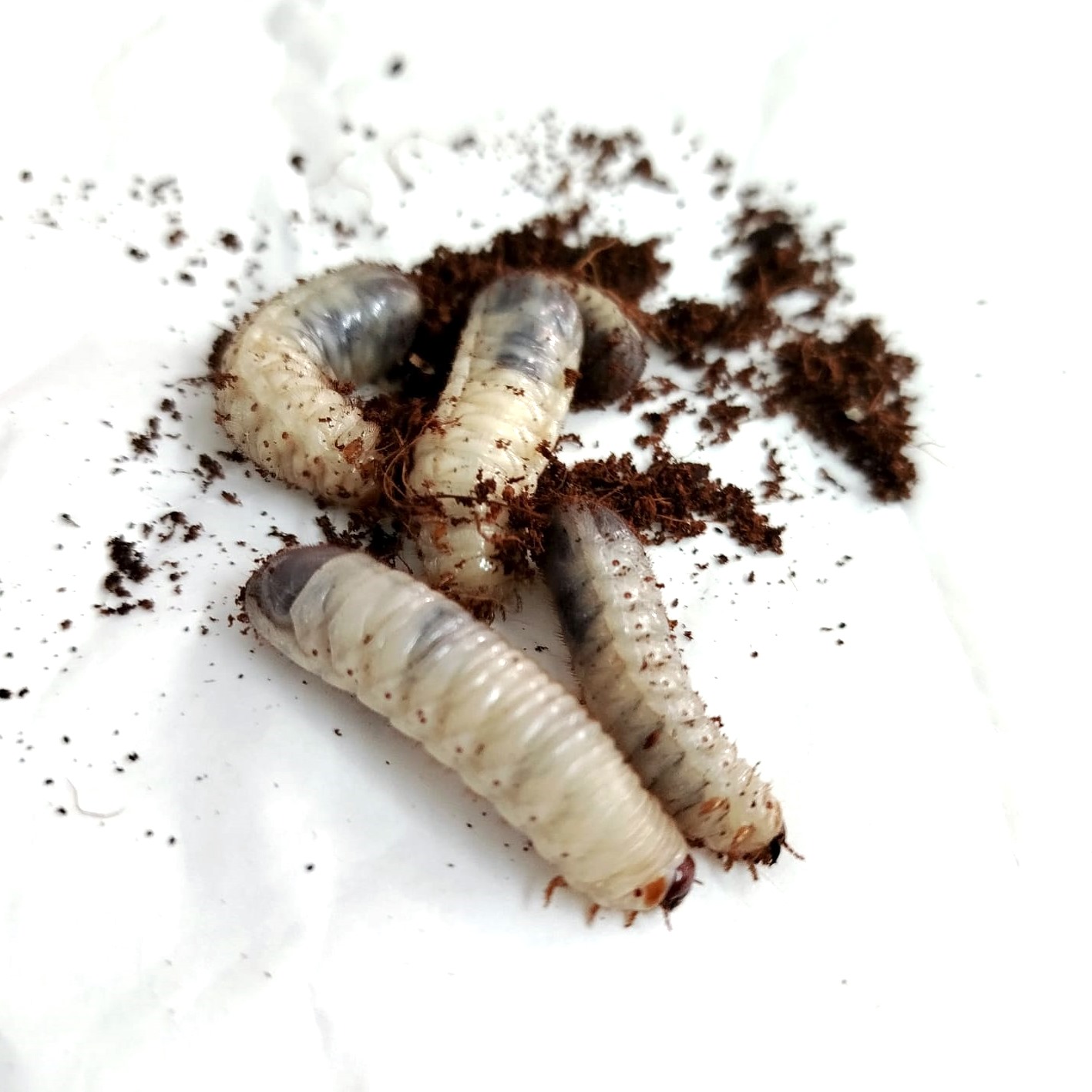
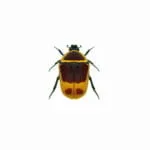
Dola larvae (pachnoda)
5,00€
Dola larvae (Pachnoda): the nutritious and easy-care solution for your pets! With their diet rich in fruits and vegetables, they are an excellent source of protein and contain virtually no fat ideal for ants, arthropods, reptiles and amphibians. Choose the best for your pets!!
Technical Sheet: Dola Larvae (Pachnoda)
Common Name: Dola Larvae
Scientific Name: Pachnoda spp.
Description: Dola larvae, belonging to the genus Pachnoda, are coleopteran insects known for their robust appearance and voracious behavior. These larvae are an excellent source of proteins and nutrients, making them an ideal food for a variety of animals, including ants, arthropods, reptiles, and amphibians.
Feeding: Dola larvae primarily feed on a diet based on fruits and vegetables. Their diet may include foods such as bananas, apples, carrots, zucchinis, and other fresh fruits and vegetables.
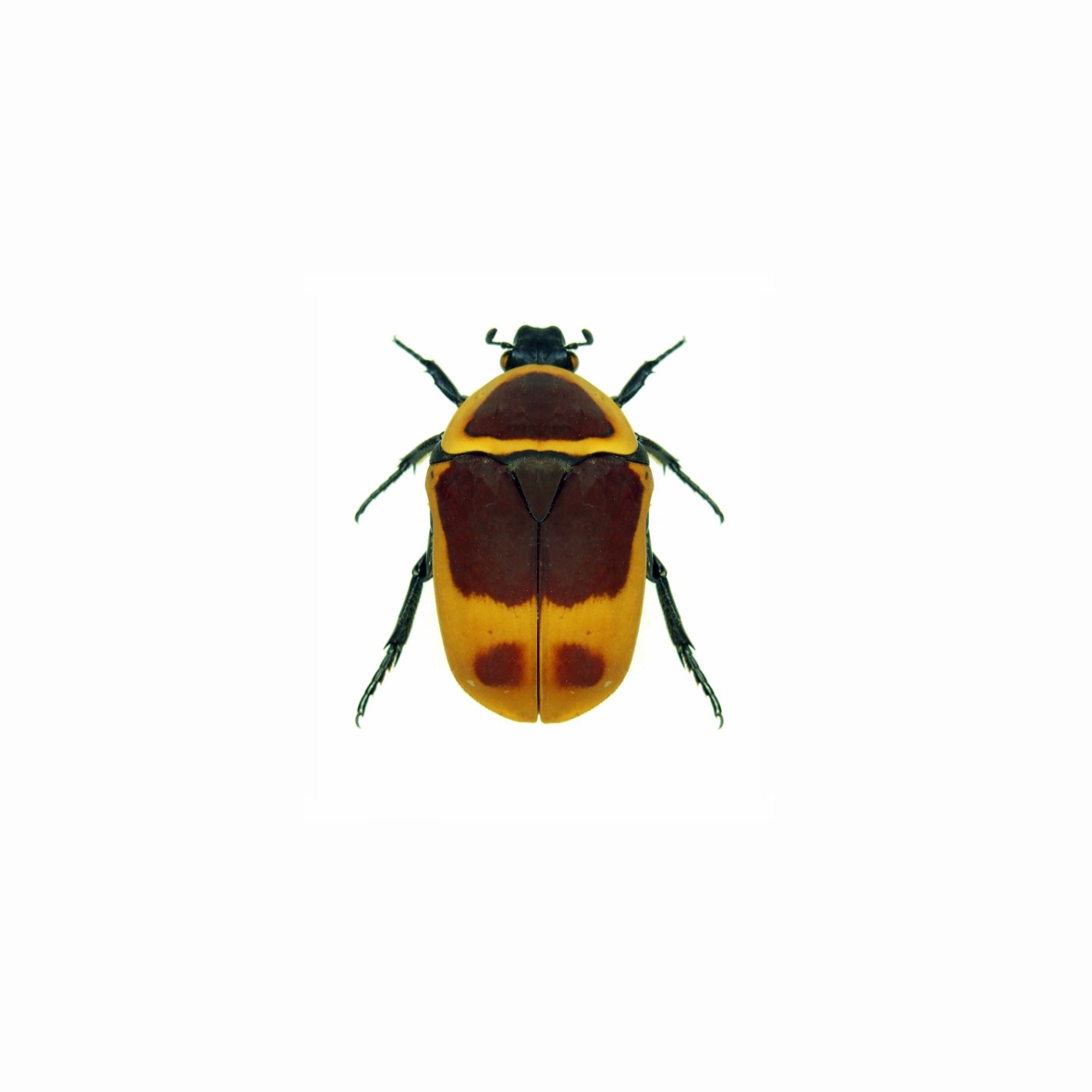
Growth and Adult Stage: After a larval development period, Dola larvae undergo a metamorphosis process and emerge as adult beetles. Adult beetles are of medium size. They are omnivores and can feed on a variety of organic matter, including fruits, nectar, and other available foods in their environment.
Uses: These larvae are used both as pet food and in scientific studies. Their high protein content makes them especially useful as live food for a variety of animals, including reptiles, amphibians, and arthropods. Additionally, their availability and ease of breeding make them a convenient option for scientific research.
| Options | 10 units |
|---|
Related products
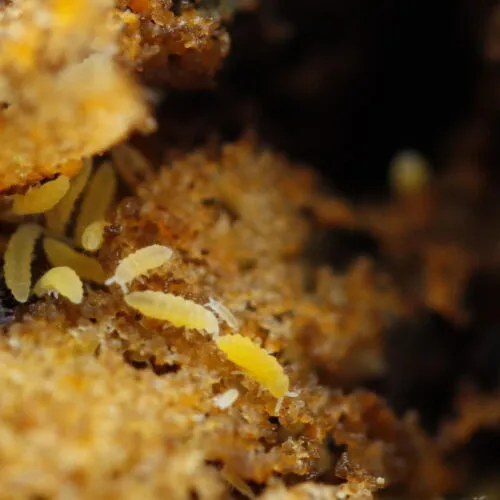
Ceratophysella sp. ‘Yellow Albino’ (springtail)
Springtails Ceratophysella sp. "Yellow Albino" are the perfect tiny allies to keep your terrarium clean 🌿. They act as a natural cleaning team, breaking down waste and maintaining the ecosystem's balance. Let your terrariums shine with life! 🐾
⚠️ Important: Springtails, small and earth-colored, can be hard to spot. Avoid rough handling to prevent harm.
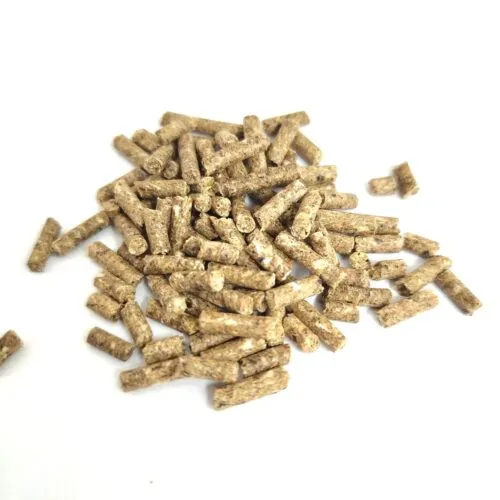
IsoSnack: Nutritious Food for Isopods
Fantastic food for isopods, ideal as a supplement to their diet. Presented in a practical pellet format that makes it easy to consume and ensures balanced nutrition.
Information:
- Mix it with other natural foods such as dry leaves, decaying wood and fresh fruits or vegetables. Do not use it as the only food, since isopods need diversity to obtain other nutrients and microorganisms that are not present in this product.
- Combine it with an environment rich in natural substrate so that they obtain a full spectrum of nutrients.
Composition:
Crude protein 20%, Crude fiber 18%, crude oils and fats 2%, crude ash 9%, calcium 4%, phosphorus 0.5%, sodium 0.2%.
Recommendation: Offer this food in small quantities.
Warning: Not suitable for human consumption. This food is intended for and is for isopods.