
Physarum polycephalum
6,00€
Physarum polycephalum is a fascinating slime mold perfect for educational projects and bioactive terrariums. An excellent natural resource to support the diet of certain springtails, providing microorganisms and organic matter. A unique living organism to observe, learn from and create richer ecosystems.
**Supplied as a live, active culture in a small container.
Sold out
This product is currently sold out.
No worries! Enter your email, and we'll let you know as soon as it's back in stock.
Technical Data Sheet — Physarum polycephalum
Scientific name: Physarum polycephalum
Common names: Slime mold, plasmodial slime mold
Group: Protist (Amoebozoa)
Family: Physaraceae
Type: Multinucleate unicellular organism (plasmodium)
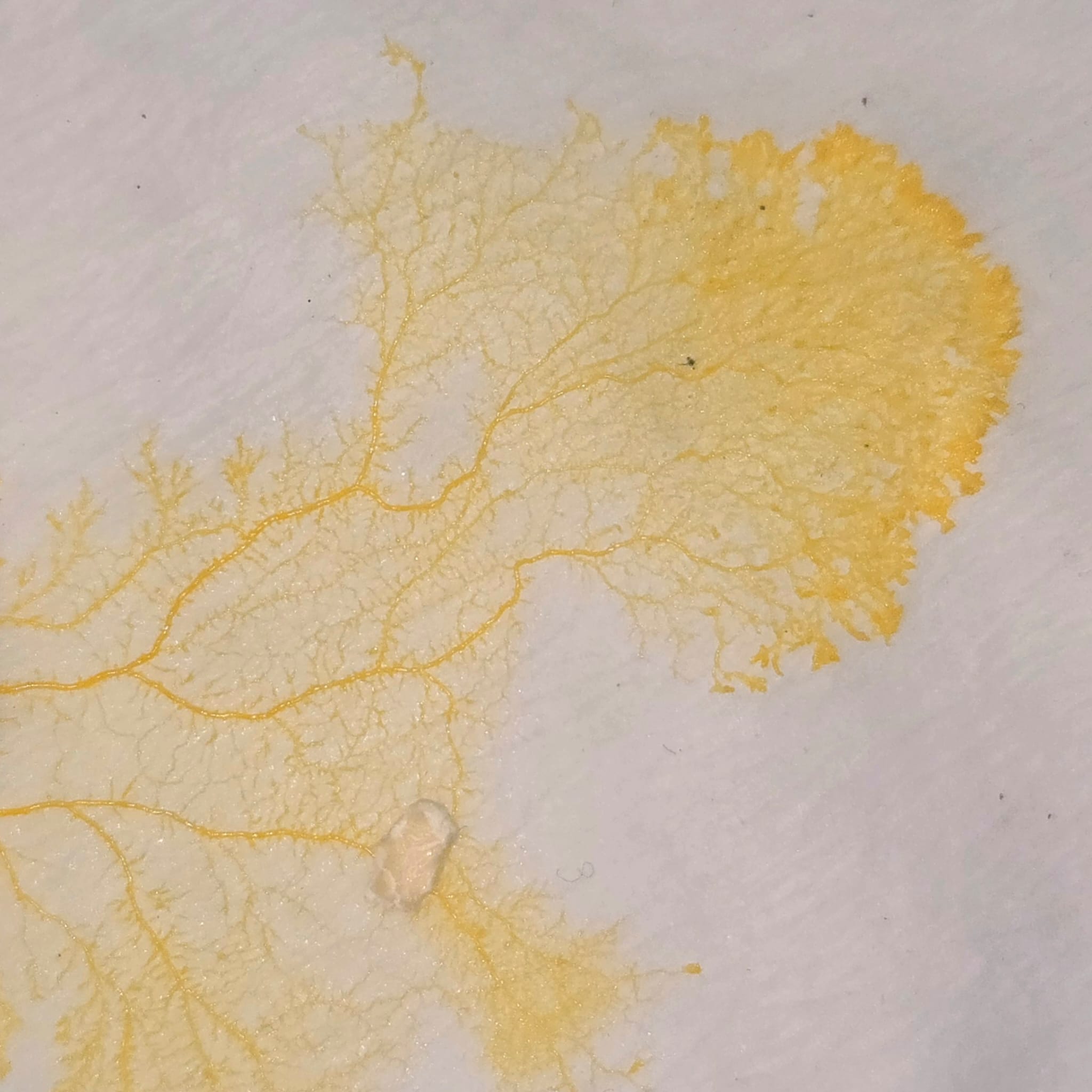
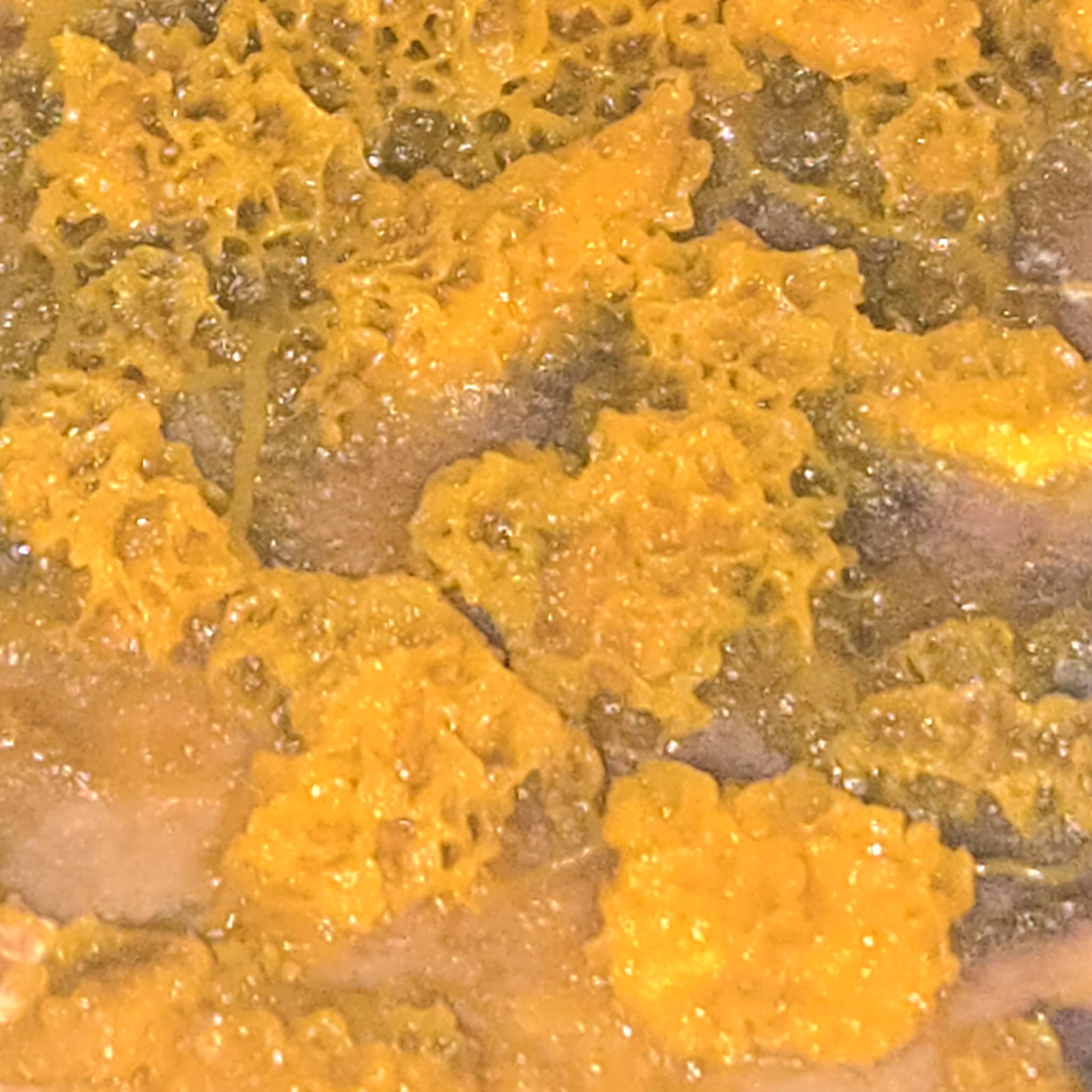
Colour: Bright yellow to yellow-orange during the active phase
Distribution: Cosmopolitan species (found in humid environments worldwide)
Description
Physarum polycephalum is a fascinating slime mold widely known for its unique biological characteristics. Despite its fungus-like appearance, it does not belong to the Fungi kingdom but rather to the Amoebozoa group. During its active phase, it develops a plasmodium: a living, gelatinous mass capable of slowly moving across surfaces in search of nutrients.
This species is famous in scientific research for its ability to solve mazes, optimize pathways and display remarkable problem-solving behaviours, making it an excellent educational organism for studying biology, cellular behaviour and natural processes.
Main Features
- A living organism of great educational and scientific interest.
- Develops a branching, network-like structure on moist surfaces.
- Feeds on microorganisms, bacteria, yeasts and decomposing organic matter.
- Allows real-time observation of natural biological processes.
- Safe for terrarium animals, arthropods and plants.
- Ideal for educational projects, experiments and bioactive terrariums.
Care Requirements
Humidity: Requires high humidity levels.
Recommended temperature: Approximately 18-26 °C.
Light: Prefers low-light conditions or indirect light.
Substrate: Moist organic materials such as decaying wood, leaf litter, moss or suitable culture media.
Feeding
In culture, it can be fed with:
- Rolled oats.
- Yeast.
- Microorganisms naturally present in organic matter.
- Decomposing plant material.
Educational Use & Live Food Source for Springtails
Beyond its scientific value, Physarum polycephalum is an exceptional educational organism, allowing users to observe fascinating biological processes such as cellular growth, environmental exploration and adaptation in real time.
Its visible development and unique behaviour make it an ideal resource for introducing biology, microbiology and ecology concepts in classrooms, laboratories or personal projects.
In bioactive terrariums, it can also be used as a natural resource to support the diet of certain springtail species, as these small decomposers can benefit from the microorganisms associated with the plasmodium and the organic matter surrounding the slime mold. This helps create a richer and more dynamic micro-ecosystem within the enclosure.
Physarum polycephalum can complement the natural feeding environment of springtails by providing additional microorganisms and organic resources, contributing to a balanced biological community alongside beneficial fungi, bacteria and other decomposers.
A unique living organism that combines science, education and ecology in a fascinating miniature ecosystem.


