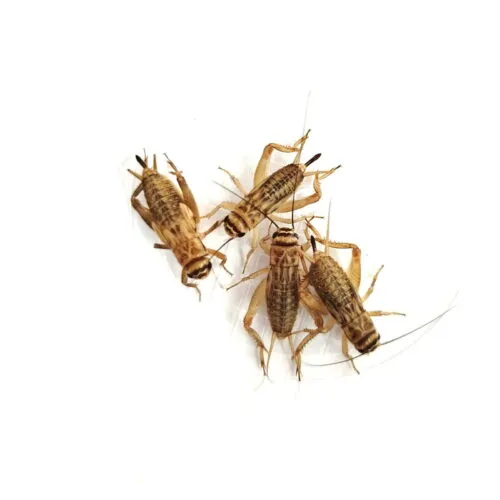


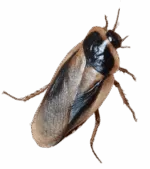
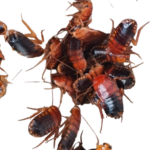
Blaptica Dubia
Price range: 1,99€ through 9,00€
Blaptica dubia. (live food)
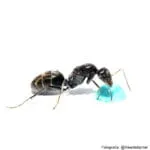
Discover this fantastic food loaded with protein, ideal for ant colonies. An ideal power source to have an entire colony of ants active. This live food is ideal for feeding certain insects, reptiles, amphibians.
Technical Sheet: Blaptica dubia
Common Name: Dubia Roach, Argentine Roach Scientific Name: Blaptica dubia Family: Blaberidae
Description: Blaptica dubia is a tropical cockroach species widely used as live food for reptiles, amphibians, and other arthropods due to its high nutritional value and easy maintenance. It is characterized by moderate growth and its inability to climb smooth surfaces, making it ideal for captive breeding.
Size:
- Adults: 4 to 5 cm in length.
- Nymphs: From 3 mm to adulthood.
Coloration:
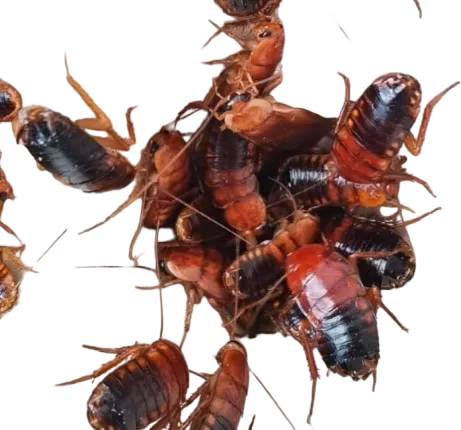
- Nymphs: Uniform dark brown.
- Adults: Brown with dark tones and orange reflections.
- Males have fully developed wings, while females have rudimentary wings.
Life Cycle:
- Lifespan: 1 to 2 years.
- Ovoviviparous reproduction (offspring are born alive after internal incubation in the mother).
- Sexual maturity: 4 to 6 months.
- Each female can produce 20 to 40 offspring per reproductive cycle.
Breeding Conditions:
- Temperature: 24-30ºC.
- Humidity: 50-70%.
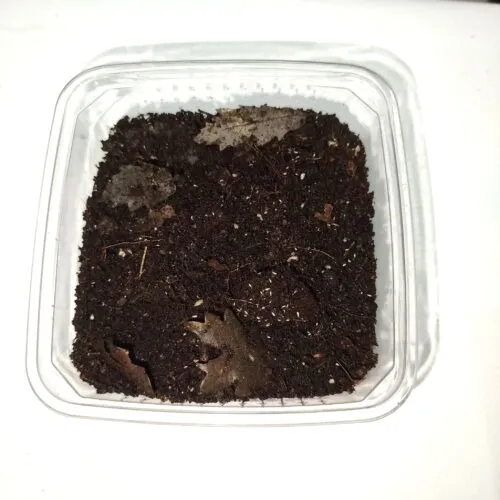
- Substrate: Not mandatory, but coconut fiber or paper can be used.
- Diet: Fruits, vegetables, and protein-rich foods.
- Ventilation: Important to prevent excessive humidity and mold growth.
Use as Live Food: Blaptica dubia is an excellent protein source with low chitin content, making it ideal for reptiles, amphibians, and other insectivores. Additionally, its life cycle allows for sustainable and controlled breeding in captivity.
Advantages Over Other Feeder Insects:
- Cannot climb smooth surfaces.
- Does not emit strong odors.
- Does not produce annoying noises.
- High nutritional value.
- Lower chitin content compared to other insects like crickets.
Precautions:
- Keep in a dry, well-ventilated place.
- Avoid direct contact with predators until feeding time.
| Weight | 5 kg |
|---|---|
| Size | Blaptica dubia (small), Blaptica dubia (medium), Blaptica dubia (large) |
| Quantity | 10 units, 20 units, 50 units |