
The Role of Bats in Ecological Balance

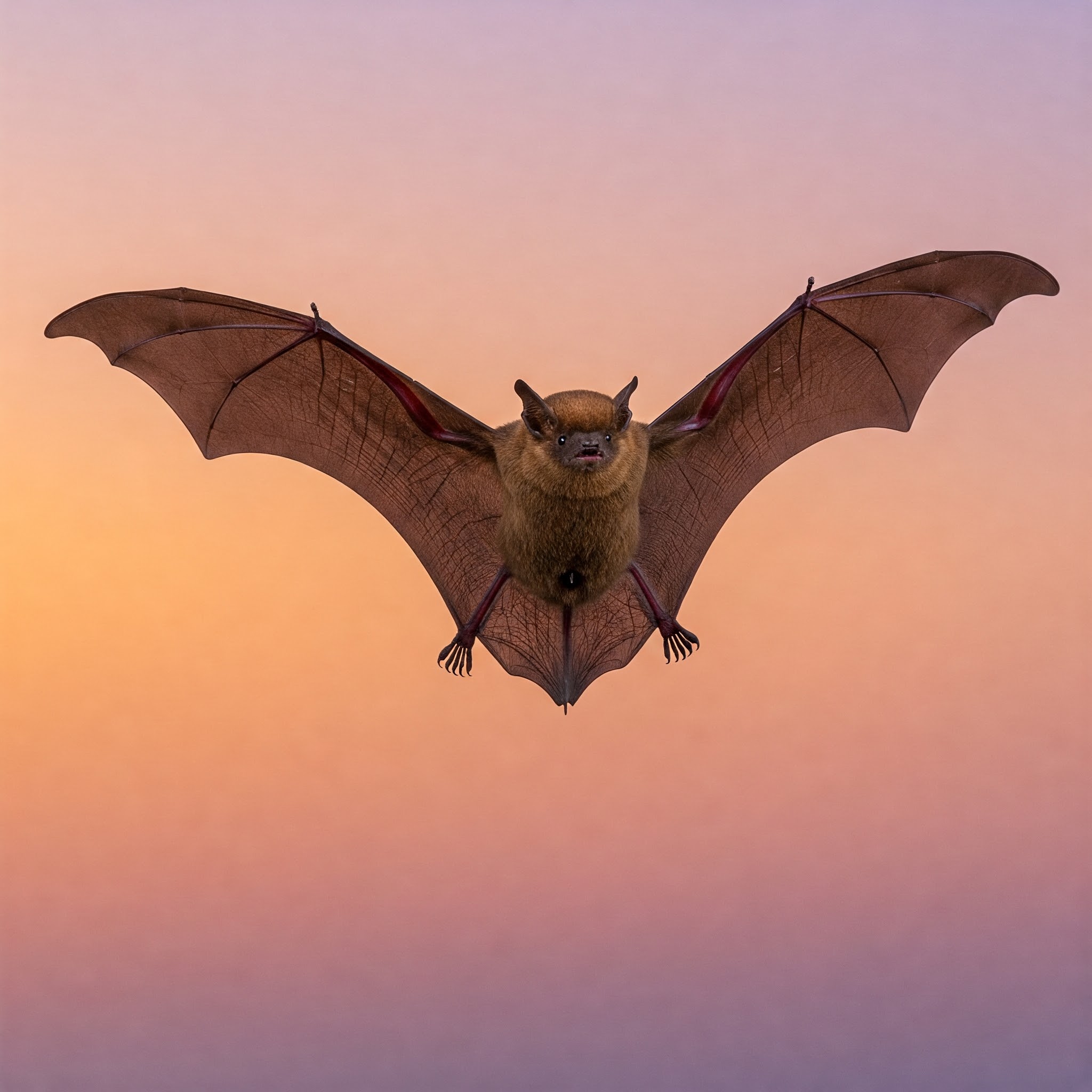
Bats are nocturnal creatures that are often misunderstood. However, these flying mammals play a vital role in maintaining the stability of ecosystems. Their influence ranges from pest control to pollination and forest regeneration. Below, we explore their importance and how their conservation benefits our planet.
Pest Control: Natural Allies of Agriculture
One of the most significant benefits of bats is their ability to keep insect populations in balance. Many species, such as bats from the Vespertilionidae family, consume enormous quantities of insects every night. Some key facts include:
- A single bat can eat up to 1,200 mosquitoes in just one hour.
- They protect crops by reducing populations of moths, beetles, and other harmful insects.
- They lower the need for pesticides, promoting more sustainable and cost-effective agriculture.
Thanks to this activity, bats are considered highly effective biological pest controllers, benefiting both farmers and the environment.
Nocturnal Pollinators: A Key Factor for Biodiversity
Although bees and butterflies are the most well-known pollinators, some bat species perform a similar function, particularly in tropical regions. Nectar-feeding bats feed on the nectar of night-blooming flowers, facilitating the reproduction of many plant species.
Examples of plants pollinated by bats include:
- Agave plants, which are essential for tequila production.
- Various cactus species in the deserts of the Americas.
- Tropical plants such as bananas and the ceiba tree.
Without their contribution, many of these species would struggle to reproduce, negatively affecting both biodiversity and the local economies that depend on these plants.
Seed Dispersal: Regenerating Forests
Another crucial role bats play in ecological balance is seed dispersal. Fruit-eating species consume fruits and spread their seeds through droppings, supporting the natural regeneration of forests and rainforests.
- They accelerate the growth of new trees in deforested areas.
- They allow plant species to expand into new territories.
- They promote biodiversity by helping ecosystems recover.
In many tropical regions, bats are the primary drivers of forest regeneration, highlighting their positive impact on nature.
Indicators of Environmental Health
Bats are also excellent indicators of ecosystem health. Their presence or absence can reflect changes in environmental quality, as they are highly sensitive to pollution and deforestation. Some important points include:
- A decline in bat populations may indicate excessive pesticide use.
- Light pollution disrupts their feeding and navigation patterns.
- Their disappearance can lead to imbalances in the food chain.
For this reason, bats are frequently studied as bioindicators in ecological research.
Threats and Conservation
Despite their importance, bats face numerous threats:
- Habitat loss: Deforestation and urban expansion reduce their natural shelters.
- Pesticide use: Decreases insect availability and negatively affects bat health.
- Myths and misinformation: Many people associate bats with disease or superstition, leading to persecution.
To protect bats and ensure their role in ecological balance, it is essential to:
- Preserve caves and forests.
- Install artificial shelters in urban and rural environments.
- Educate the public about their ecological importance to reduce prejudice.
Conclusion
Bats are essential for maintaining ecological balance. From pest control and pollination to forest regeneration, their contribution is invaluable. Protecting these species not only safeguards biodiversity but also supports agriculture, the environment, and the economy. Valuing and conserving bats is a crucial step toward a more sustainable planet.


