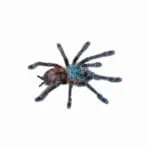
Springtails (Lobella sp. “Thai Red”)
Price range: 25,00€ through 39,50€
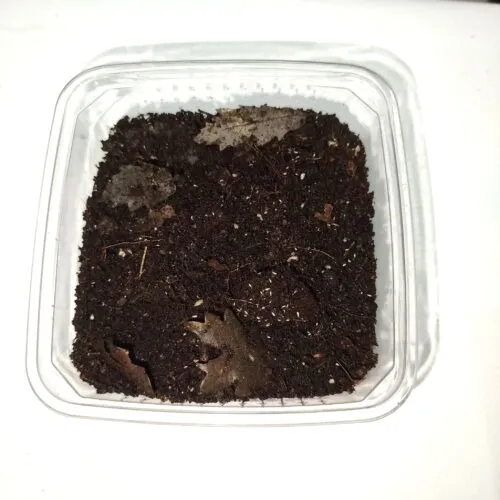
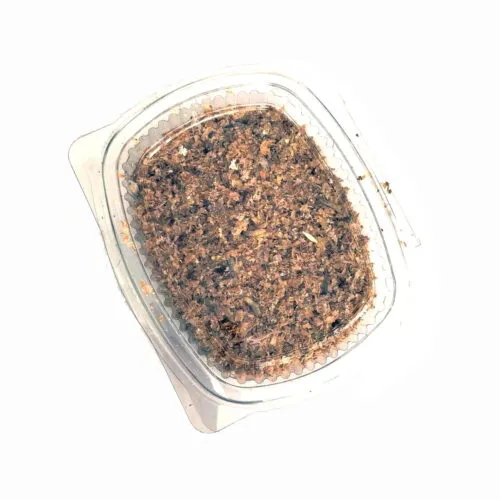
Red springtails Lobella thai red are an excellent live food for ants, reptiles, and amphibians. Ideal for bioactive terrariums, they help control mold and organic waste. Highly appreciated by hunting species, their bright red color stimulates feeding response and makes them easy to spot.
🐜 Technical Sheet – Lobella thai red
Scientific name: Lobella sp. “Thai Red”
Family: Neanuridae
Common name: Red tropical springtails
Type: Non-jumping tropical springtail
Origin: Southeast Asia
Size: 1 – 2 mm
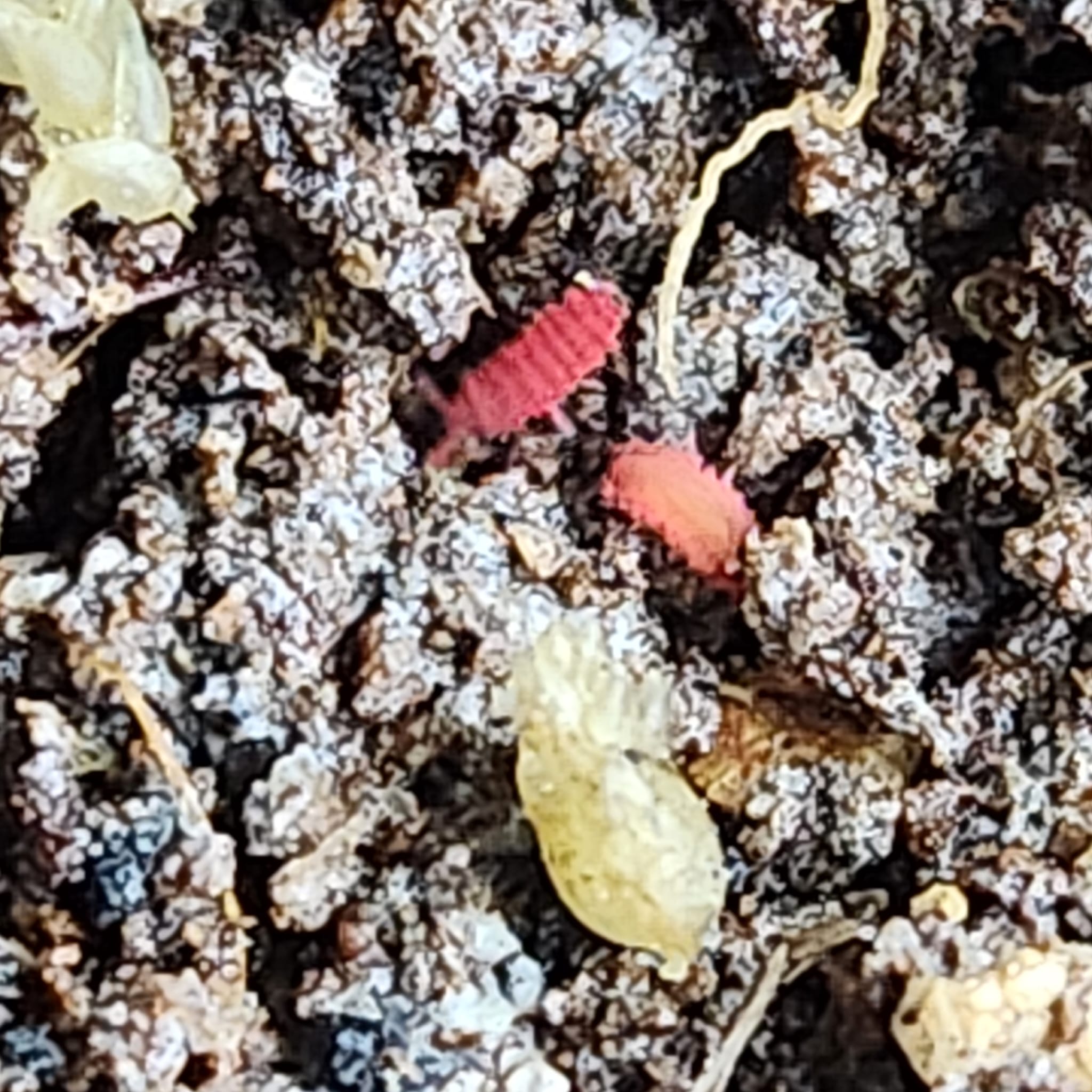
Coloration: Intense red (high visibility)
🔬 Key Features
Unlike common springtails such as Folsomia candida, this species belongs to the Neanuridae family, characterized by a reduced or absent furcula, meaning they do not jump.
They have a more robust, segmented, and slightly granular body, giving them a unique appearance similar to tiny isopods or larvae.
🐾 Behavior
- Slower movement compared to other springtails
- Easy to observe
- Do not quickly disappear when the culture is disturbed
👉 Ideal for those who want a visible and active cleanup crew
🌡️ Environmental Conditions
Ideal temperature: 20 – 26 °C
Humidity: Very high (80 – 100%)
Lighting: Not required, prefer dark environments
🏡 Habitat & Care
They thrive in moist, organic-rich substrates such as coconut fiber, peat, or natural soil mixes. The substrate should always remain moist (not waterlogged) with moderate ventilation.
🍽️ Feeding
They primarily feed on:
- Substrate microflora (fungi and bacteria)
- Decomposing organic matter
- Plant debris
They readily accept supplements such as yeast, spirulina, or specific springtail food.
💡 Tip: Occasional calcium supplementation (calcium carbonate) may support colony health and enhance coloration.
🔁 Reproduction
Fast reproduction under optimal conditions. Colonies grow quickly and are easy to maintain long-term.
✅ Uses
- Cleanup crew for terrariums and paludariums
- Natural mold control
- Live food for reptile, amphibian, and arthropod hatchlings
- Nutritional supplement
👉 Their red coloration acts as a visual trigger, stimulating hunting behavior in species such as dart frogs and small geckos.
⭐ Advantages
- Highly visible due to red coloration
- Non-jumping (easy to manage)
- Slow, observable movement
- Fast reproduction rate
- Excellent for bioactive setups
⚠️ Recommendations
Avoid substrate drying out. Do not expose to direct sunlight. Maintain constant humidity for optimal growth and reproduction.
| Options | 5 units, 10 units |
|---|
Related products
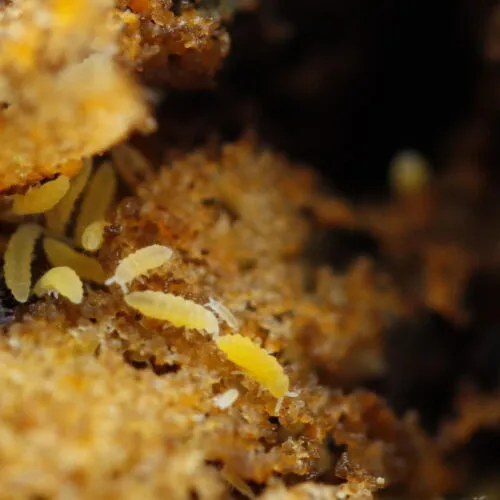
Ceratophysella sp. ‘Yellow Albino’ (springtail)
Springtails Ceratophysella sp. "Yellow Albino" are the perfect tiny allies to keep your terrarium clean 🌿. They act as a natural cleaning team, breaking down waste and maintaining the ecosystem's balance. Let your terrariums shine with life! 🐾
⚠️ Important: Springtails, small and earth-colored, can be hard to spot. Avoid rough handling to prevent harm.
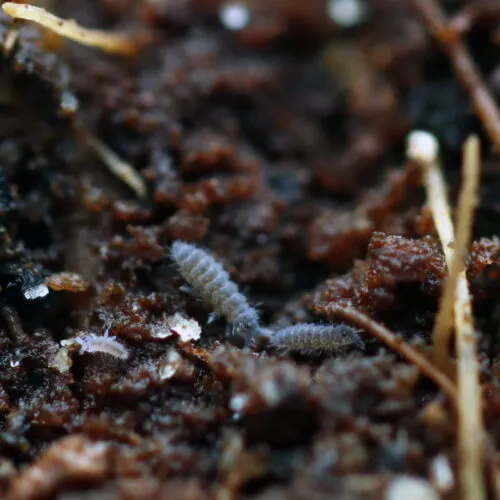
Ceratophysella sp. ‘Lilac’ (Springtails)
🌱 The springtail Ceratophysella sp. 'Lilac' is ideal for bioactive terrariums. Its unique lilac color and ability to decompose organic matter help keep your ecosystem clean and balanced. 🐜 Easy to care for and perfect as live food.
⚠️ Important: Springtails, small and earth-colored, are difficult to distinguish. Avoid handling them roughly to prevent damage.
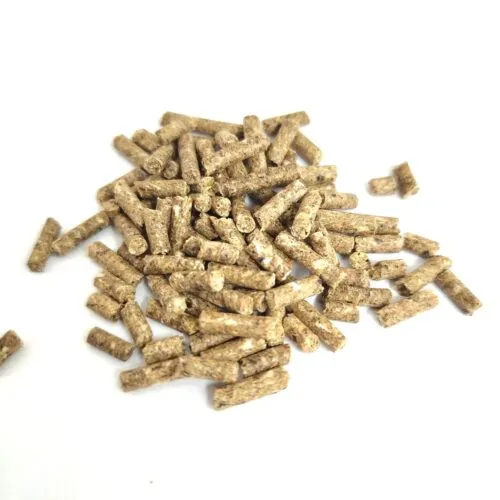
IsoSnack: Nutritious Food for Isopods
Fantastic food for isopods, ideal as a supplement to their diet. Presented in a practical pellet format that makes it easy to consume and ensures balanced nutrition.
Information:
- Mix it with other natural foods such as dry leaves, decaying wood and fresh fruits or vegetables. Do not use it as the only food, since isopods need diversity to obtain other nutrients and microorganisms that are not present in this product.
- Combine it with an environment rich in natural substrate so that they obtain a full spectrum of nutrients.
Composition:
Crude protein 20%, Crude fiber 18%, crude oils and fats 2%, crude ash 9%, calcium 4%, phosphorus 0.5%, sodium 0.2%.
Recommendation: Offer this food in small quantities.
Warning: Not suitable for human consumption. This food is intended for and is for isopods.