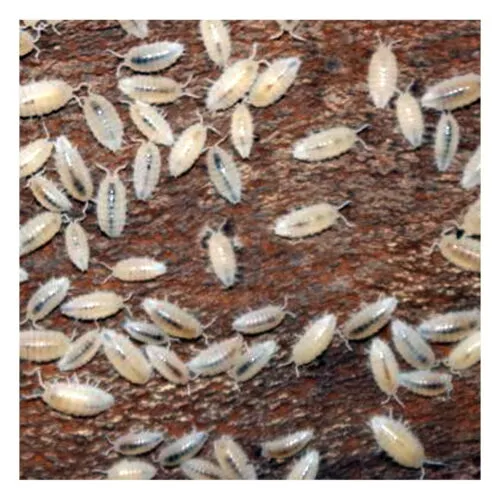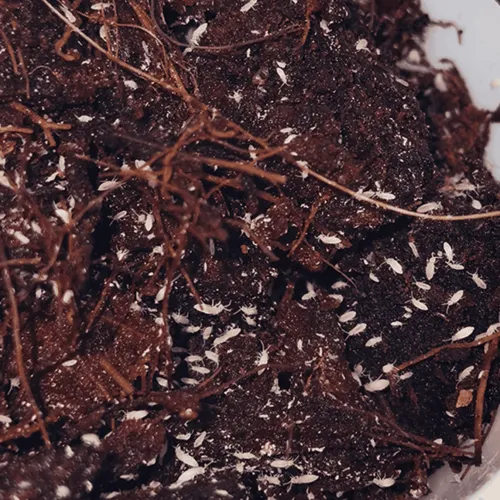
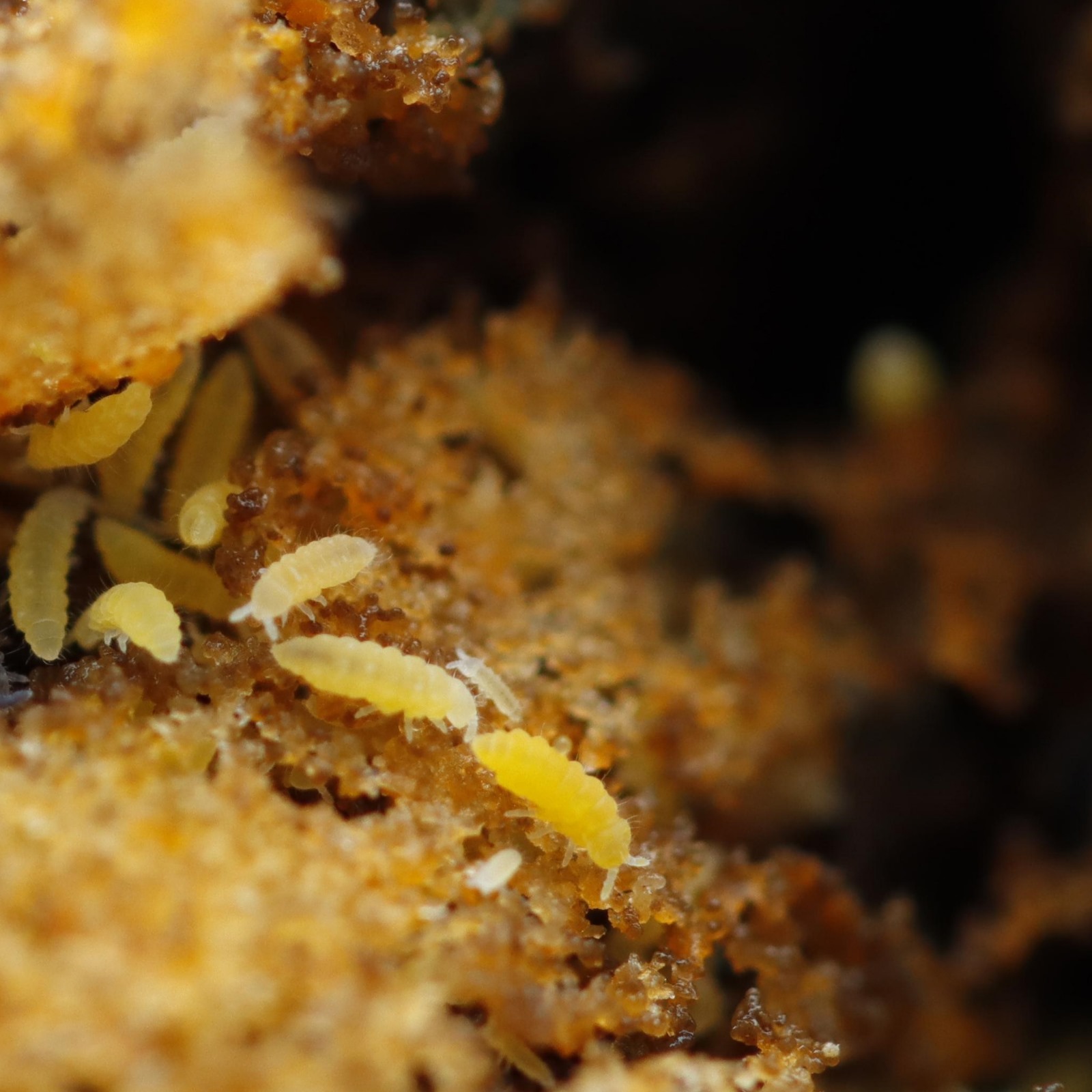
Ceratophysella sp. ‘Yellow Albino’ (springtail)
14,00€
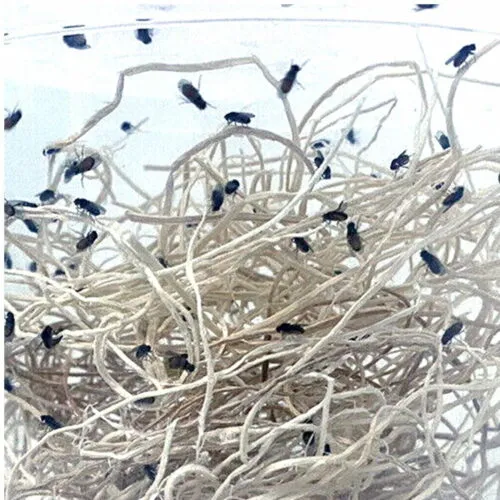
Springtails Ceratophysella sp. “Yellow Albino” are the perfect tiny allies to keep your terrarium clean 🌿. They act as a natural cleaning team, breaking down waste and maintaining the ecosystem’s balance. Let your terrariums shine with life! 🐾
⚠️ Important: Springtails, small and earth-colored, can be hard to spot. Avoid rough handling to prevent harm.
Technical Sheet: Ceratophysella sp. “Yellow Albino”
General Description
The springtail Ceratophysella sp. “Yellow Albino” is a small-sized species widely used in terrariums and paludariums due to its efficiency as a decomposer and its role in natural ecosystems. This specimen stands out for its striking pale yellow coloration, which may appear translucent, characteristic of its albino variety.
Main Features
- Size: Between 0.5 and 1 mm in length.
- Coloration: Light yellow (albino), with a translucent body.
- Natural Habitat: Humid soil, leaf litter, and decaying organic matter.
- Behavior: Very active, adapted to environments with high humidity.
- Ideal Temperature: Between 20 °C and 25 °C (68 °F to 77 °F).
- Relative Humidity: High, preferably between 70% and 90%.
Uses in Terrariums and Paludariums
- Cleaning: They help break down organic remains and animal waste, preventing the growth of mold and harmful bacteria.
- Naturalized Ecosystem: They easily integrate into bioactive terrariums, acting as part of the micro-ecosystem.
- Live Food: Some small amphibians and reptiles consume them as part of their diet.
Basic Care
- Feeding: They feed on decaying organic matter, such as plant debris, pieces of bark, or dry yeast.
- Substrate: A moist substrate made of coconut fiber or peat moss is ideal for their maintenance.
- Ventilation: The terrarium should be ventilated but without losing too much humidity.
- Reproduction: Highly prolific under ideal conditions, with short life cycles that support stable populations in bioactive terrariums.
Precautions
- Avoid introducing them into dry terrariums, as their survival depends on high humidity levels.
- Monitor overpopulation to prevent them from becoming a nuisance in small terrariums.
Additional Notes
These springtails are ideal for beginners in maintaining bioactive terrariums due to their resilience and ease of care. Their coloration makes them more visible than other varieties, making it easier to observe and manage them in their habitats.
| Options | 100 ml |
|---|