

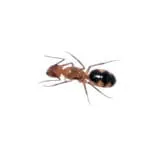
Bean Weevil
4,50€
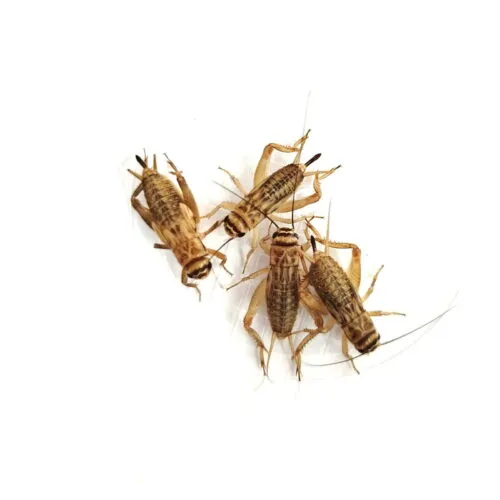
Introducing Bean Weevil, the micro-nutrient for your reptiles, arthropods, and amphibians. Packed with exceptional nutritional properties, this tiny insect (Callosobruchus maculatus) is the perfect choice to keep your pets healthy and happy.
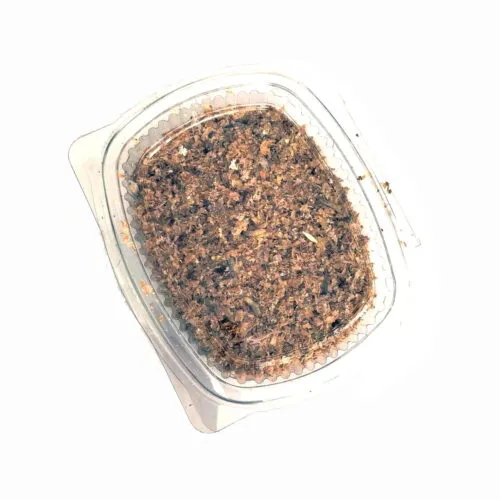
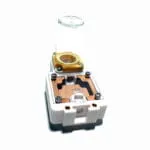
Boxes of 100 ml or 500 ml.
Technical Data Sheet of the Bean Weevil
Scientific Name: Callosobruchus maculatus
Common Name: Bean Weevil
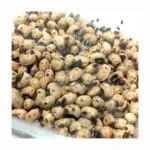
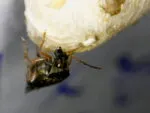
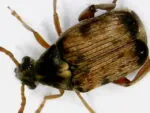
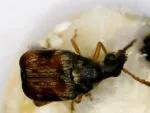
Description: The Bean Weevil, or Callosobruchus maculatus, is a small insect belonging to the Chrysomelidae family. It is known for infesting legumes, especially beans, and is used as live food in the feeding of reptiles, arthropods, and amphibians in captivity.
Physical Characteristics:
- Size: Approximately 2-4 mm in length.
- Color: Variable, but commonly dark brown to black.
- Morphology: Body divided into head, thorax, and abdomen. Well-developed antennae and legs.
Life Cycle:
- Egg: Eggs are deposited inside legumes by females.
- Larva: Larvae emerge from eggs and feed on the inside of seeds.
- Pupa: After feeding, larvae pupate inside the seed.
- Adult: Adults emerge from pupae and exit the legumes, completing the cycle.
Nutrition: Bean Weevils obtain their nutrition from legume seeds, as they feed on the interior. This diet provides Bean Weevils with a nutritional profile suitable for use as food for captive animals.
Nutritional Properties:
- Proteins: Rich in proteins, essential for the development and growth of carnivorous animals.
- Fats: Contains fats that may be beneficial for reptiles requiring a lipid intake.
- Fiber: The presence of fiber can aid in the digestion of some animals.
Use as Live Food:
- Reptiles: Suitable for insectivorous reptiles such as lizards and turtles.
- Arthropods: Can serve as food for arachnids and insects in captivity.
- Amphibians: Appropriate for amphibians that feed on small prey.
Feeding Mode: Bean Weevils can be offered live to animals, stimulating their hunting instincts. It is recommended to provide them in a suitable container to prevent escape.
Breeding Considerations:
- Temperature: Maintain within an appropriate temperature range for their development.
- Humidity: Provide a humid environment to favor reproduction.
- Feeding: Legumes like peas and lentils can be used as substrate and food source.
| Options | 500 ml |
|---|