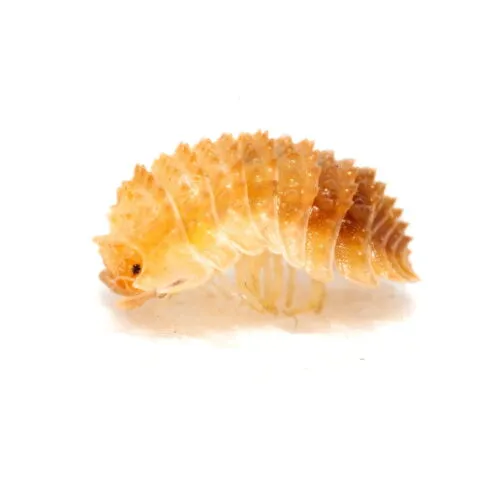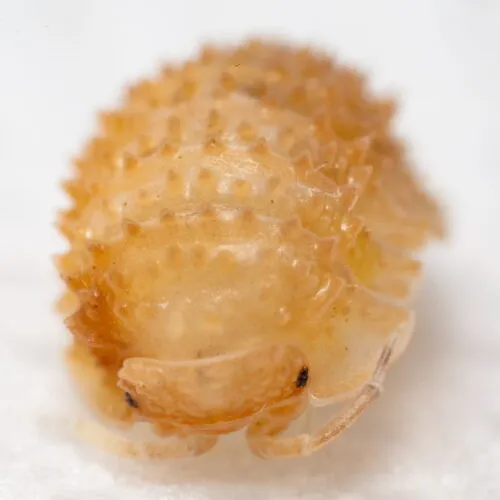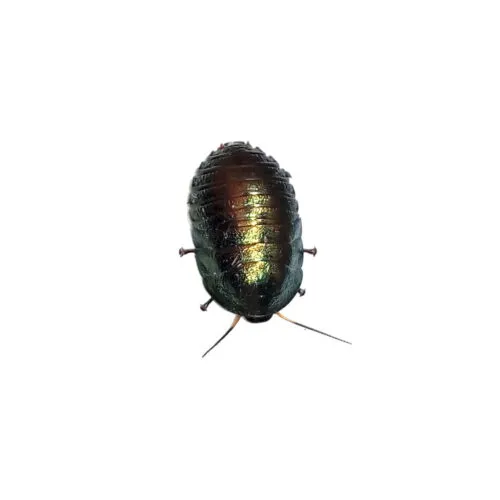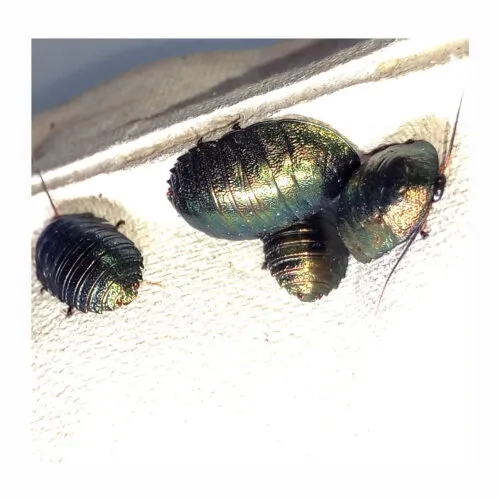

Porcellio ornatus “Chocolate”
Price range: 3,00€ through 13,50€
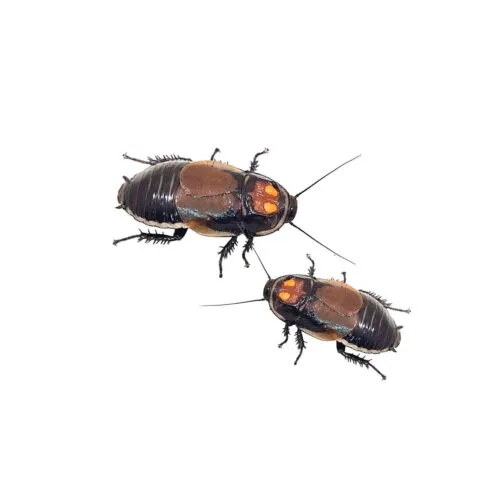
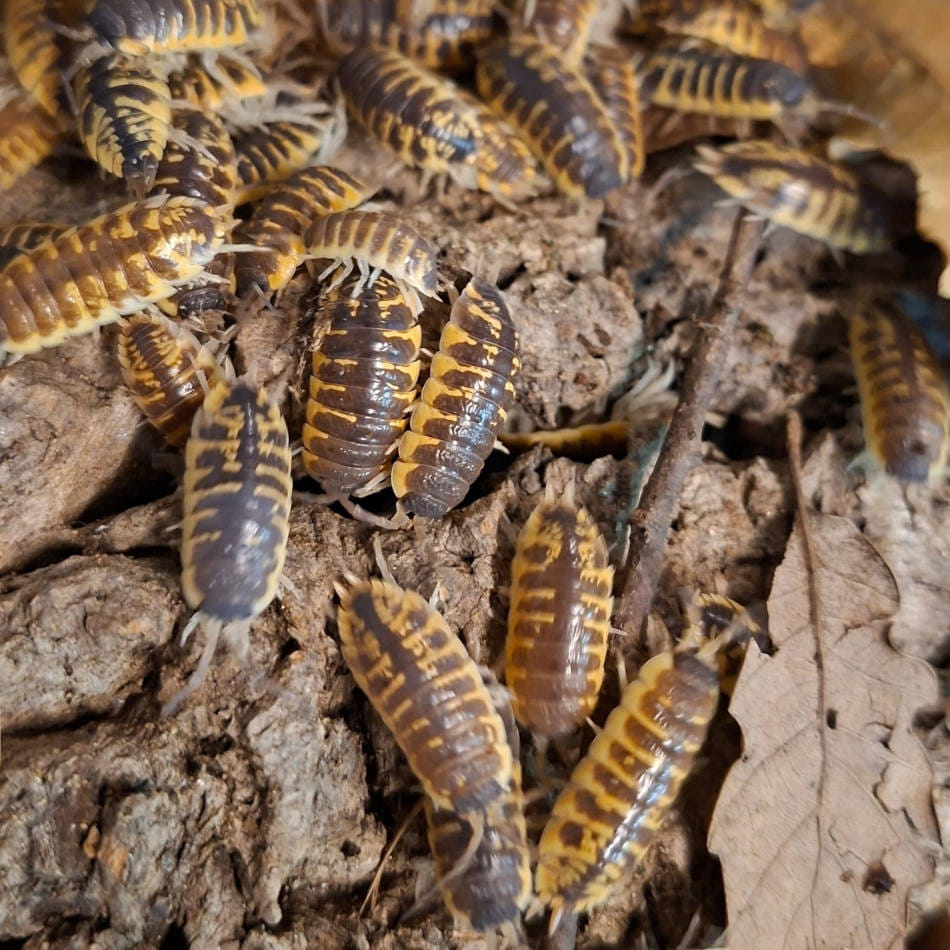
Porcellio ornatus “Chocolate” stands out for its beautiful chocolate brown colouration, enhanced by delicate yellowish markings that create an eye catching contrast. An active and attractive isopod, ideal for expanding your collection or keeping in a bioactive terrarium.
Porcellio ornatus “Chocolate” is a terrestrial isopod variety prized for its attractive chocolate-brown coloration, complemented by subtle yellowish or golden tones that add contrast to its appearance. The combination of colours can vary from one specimen to another, with slight differences in pattern and intensity.
This is an active species that tends to shelter beneath bark, stones and decaying plant matter, particularly during daylight hours. Like other terrestrial isopods, it plays a role in breaking down organic matter and recycling fallen leaves and decaying wood.
Its distinctive appearance and natural behaviour make it an interesting choice for isopod keepers, whether for breeding colonies or as part of a bioactive terrarium setup.
Key Characteristics
- Scientific name: Porcellio ornatus
- Variety: Chocolate
- Common name: Chocolate Isopod
- Family: Porcellionidae
- Order: Isopoda
- Class: Malacostraca
- Type: Terrestrial isopod
- Species origin: Iberian Peninsula
- Adult size: Approximately 2–2.5 cm
- Lifespan: Varies depending on care and environmental conditions.
- Care level: Moderate
- Behaviour: Active and gregarious
- Activity: Mainly nocturnal and crepuscular, although it can also be seen during the day.
Colouration and Appearance
The “Chocolate” variety has a predominantly brown colouration, ranging from medium brown to deeper chocolate shades. The body may display subtle yellowish or golden markings that contrast with the darker background, creating an attractive and distinctive pattern.
The intensity and distribution of these colours can vary between specimens. Its body is elongated and segmented, with clearly defined dorsal plates, seven pairs of legs and visible antennae.
Habitat and Care
Porcellio ornatus originates from Mediterranean environments, where it can be found beneath stones, bark and decaying plant matter. In captivity, it is important to provide conditions that combine relatively dry areas with smaller, consistently moist refuges.
- Recommended temperature: 20–25 °C.
- General temperature range: 18–26 °C.
- Humidity: Provide a moisture gradient rather than keeping the entire enclosure damp.
- Ventilation: Moderate to high.
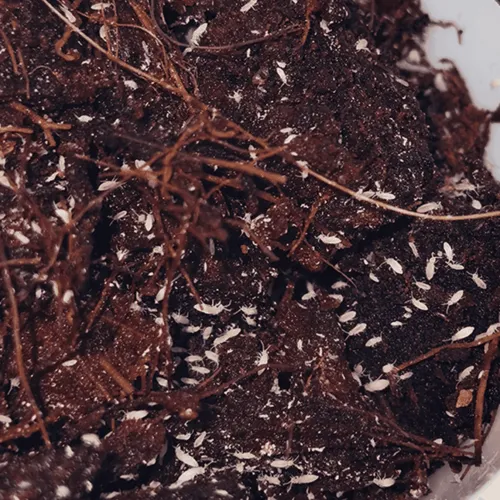
- Substrate: A mixture of fertiliser-free natural soil, decaying wood and leaf litter.
- Hides: Cork bark, dried leaves and small pieces of decaying wood.
A permanently moist area should always be available, preferably with sphagnum moss, while the rest of the enclosure should remain relatively dry and well ventilated. Excessive moisture combined with poor airflow can encourage mould growth and negatively affect the colony.
Diet
This is a detritivorous and omnivorous isopod that feeds mainly on decomposing organic matter.
Its diet can include:
- Dried oak, beech and other untreated leaves.
- Soft, decaying wood.
- Vegetables such as courgette, carrot and pumpkin.
- Small amounts of protein-rich food, such as dried fish or dehydrated insects.
- Specialised isopod food.
A good supply of leaf litter and decaying wood should always be available. A calcium source, such as cuttlebone, should also be provided to support the development and maintenance of its exoskeleton.
Breeding
Reproduction is sexual, and females carry their eggs in a specialised ventral pouch called a marsupium. Once embryonic development is complete, tiny young known as mancae emerge and begin growing through successive moults.
An established colony with a balanced diet and suitable moisture gradient can reproduce regularly.
Compatibility and Group Housing
This is a gregarious species that can be kept in colonies containing individuals of different ages. To reduce competition and potential losses, it is advisable to provide plenty of hiding places, leaf litter and food.
Keeping it separate from other isopod species is recommended, particularly if you want to maintain a stable breeding line.
Care Recommendations
- Always maintain both moist and dry areas within the enclosure.
- Avoid excessive humidity throughout the substrate.
- Ensure adequate ventilation.
- Keep a constant supply of dried leaves available.
- Offer protein as a dietary supplement.
- Provide a permanent calcium source.
- Avoid direct sunlight and excessive temperatures.
| Options | 1 unit, 5 units |
|---|
Related products