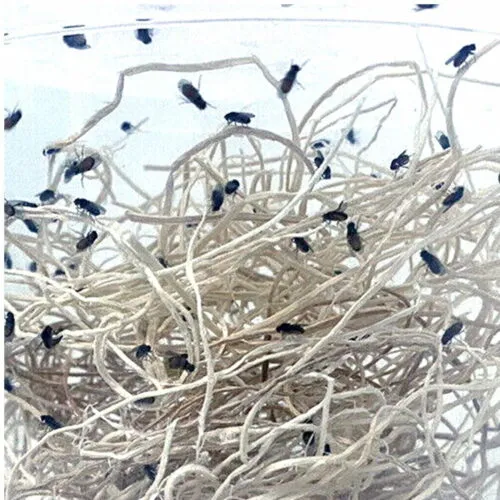
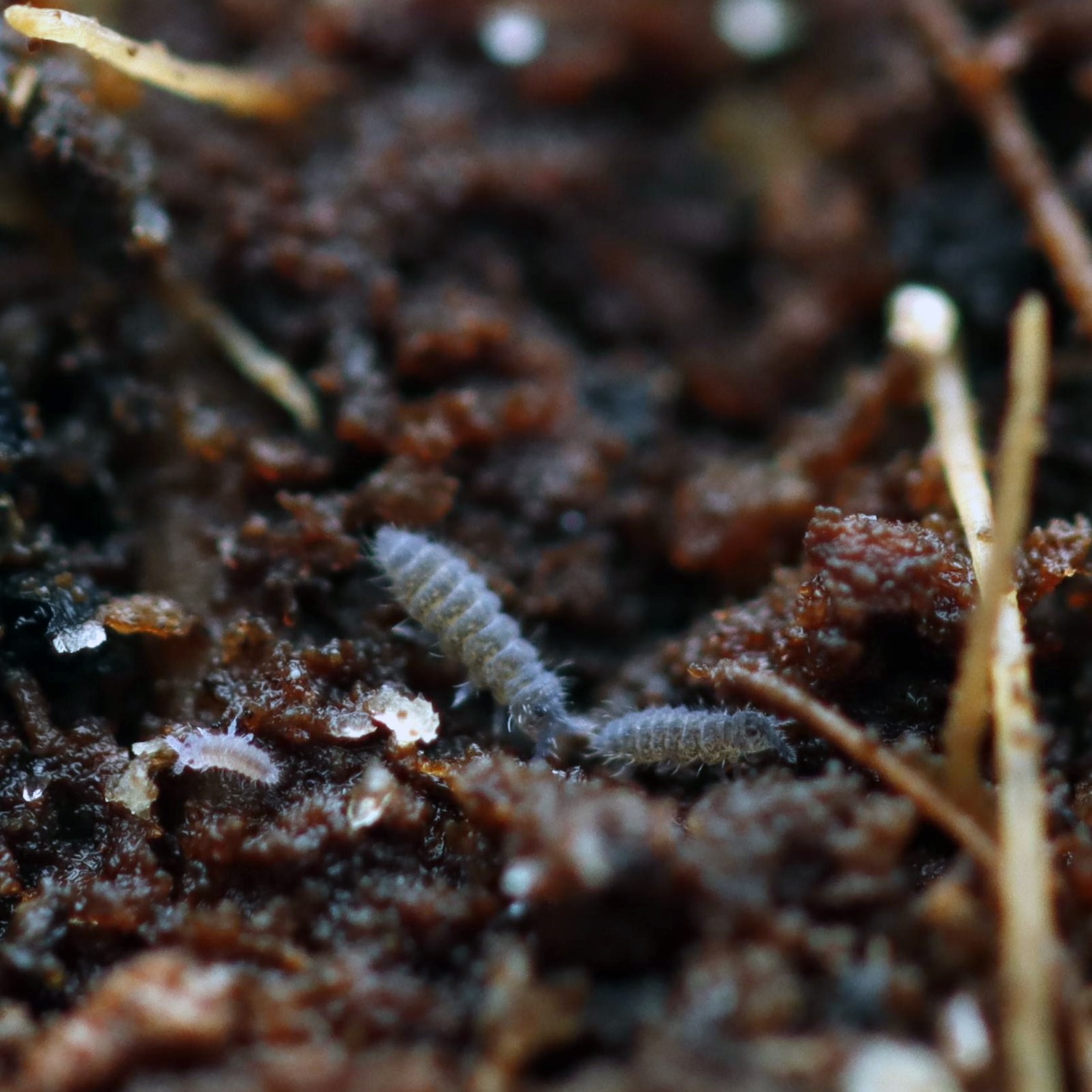
Ceratophysella sp. ‘Lilac’ (Springtails)
14,00€
🌱 The springtail Ceratophysella sp. ‘Lilac’ is ideal for bioactive terrariums. Its unique lilac color and ability to decompose organic matter help keep your ecosystem clean and balanced. 🐜 Easy to care for and perfect as live food.
⚠️ Important: Springtails, small and earth-colored, are difficult to distinguish. Avoid handling them roughly to prevent damage.
Technical Sheet of Springtail Ceratophysella sp. ‘Lilac’
Scientific Name: Ceratophysella sp.
Common Name: Lilac Springtail
Size: Between 0.5 and 2 mm
Coloration: Lilac with light shades, very distinctive.
Lifespan: Approximately 3-6 months, depending on environmental conditions.
Natural Habitat: Soil, leaf litter, decaying wood, and humid environments.
General Characteristics
The Ceratophysella sp. ‘Lilac’ is a springtail species known for its unique coloration, ranging from lilac to light purple. It is mainly found in humid environments and plays a key role in the decomposition of organic matter.
Main Uses
- Terrariums and Paludariums:
- Helps maintain a clean environment by feeding on decaying organic matter, fungi, and waste.
- Excellent for bioactive ecosystems.
- Aquariums:
- Perfect as live food for small species such as fish and amphibians.
Care in Captivity
Humidity:
- Requires high humidity (70-90%), mimicking its natural habitat.
- Avoid letting the substrate dry out.
Temperature:
- Ideal: 18-25 °C.
- Sensitive to extreme temperatures.
Substrate:
- Coconut fiber, peat-based soil, or sphagnum moss are ideal.
- Always keep the substrate moist, but not waterlogged.
Feeding:
- Fish flakes, brewer’s yeast, or small pieces of fruit and vegetables.
- Avoid overfeeding to prevent excessive mold buildup.
Ecosystem Benefits
- Biological Control: Prevents the proliferation of harmful fungi and organic waste.
- Natural Recycling: Transforms organic matter into essential nutrients for plants and other organisms.
Compatibility
- Can live with isopods, insects, and other organisms in bioactive terrariums.
- Non-aggressive and harmless to other species.
Reproduction
- Quick reproductive cycle, ideal for maintaining stable colonies.
- Lays eggs in moist substrate, and the young emerge in a few days.
Note: They are very easy to maintain and expand, making them an ideal choice for both hobbyists and professionals.
| Options | 100 ml |
|---|
Related products
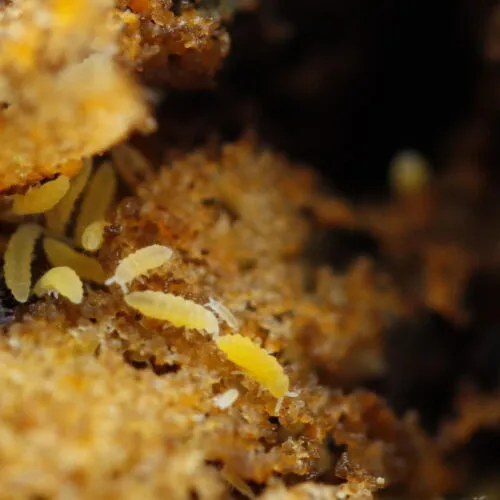
Ceratophysella sp. ‘Yellow Albino’ (springtail)
Springtails Ceratophysella sp. "Yellow Albino" are the perfect tiny allies to keep your terrarium clean 🌿. They act as a natural cleaning team, breaking down waste and maintaining the ecosystem's balance. Let your terrariums shine with life! 🐾
⚠️ Important: Springtails, small and earth-colored, can be hard to spot. Avoid rough handling to prevent harm.
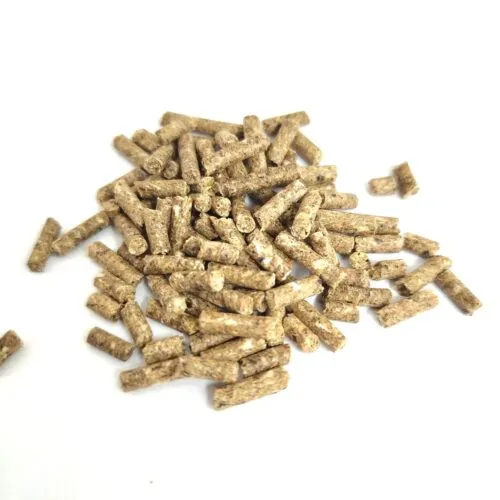
IsoSnack: Nutritious Food for Isopods
Fantastic food for isopods, ideal as a supplement to their diet. Presented in a practical pellet format that makes it easy to consume and ensures balanced nutrition.
Information:
- Mix it with other natural foods such as dry leaves, decaying wood and fresh fruits or vegetables. Do not use it as the only food, since isopods need diversity to obtain other nutrients and microorganisms that are not present in this product.
- Combine it with an environment rich in natural substrate so that they obtain a full spectrum of nutrients.
Composition:
Crude protein 20%, Crude fiber 18%, crude oils and fats 2%, crude ash 9%, calcium 4%, phosphorus 0.5%, sodium 0.2%.
Recommendation: Offer this food in small quantities.
Warning: Not suitable for human consumption. This food is intended for and is for isopods.