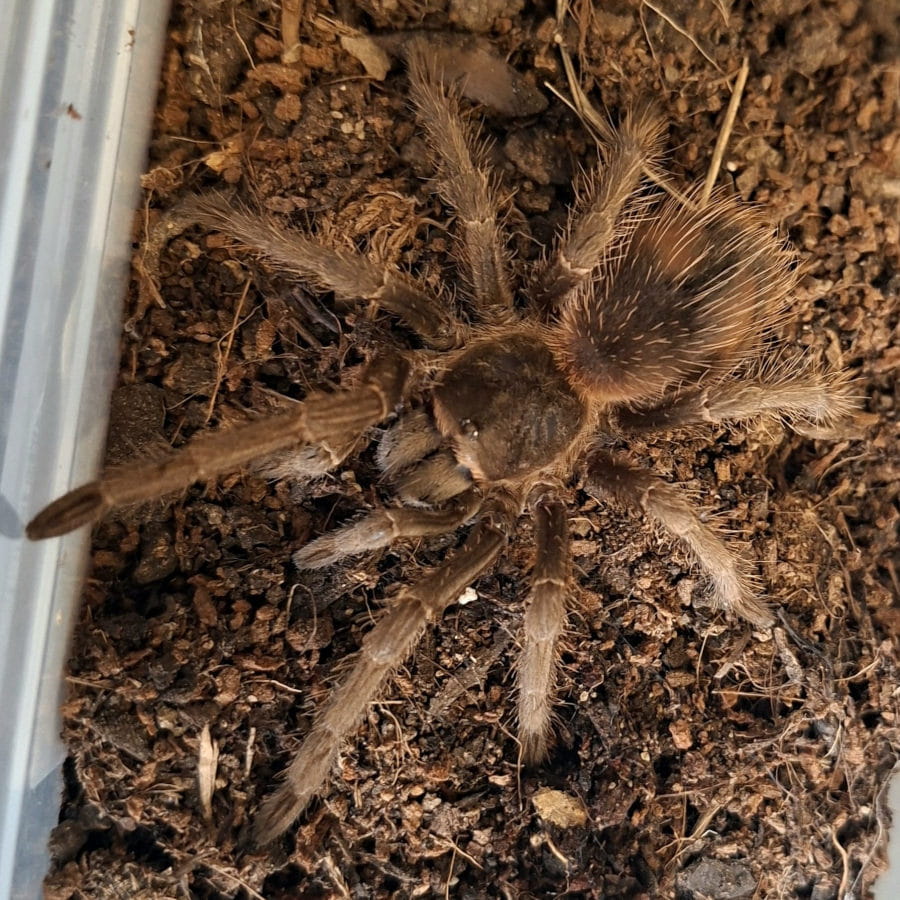

Lasiodora parahybana
Original price was: 64,00€.58,00€Current price is: 58,00€.
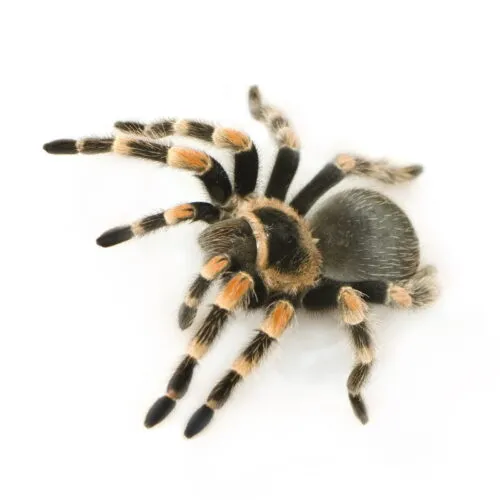
Lasiodora parahybana is a spectacular terrestrial tarantula known for its rapid growth, impressive size and striking salmon-coloured hairs. A robust and hardy species, highly appreciated by experienced keepers looking for a large, impressive specimen that can thrive with proper care and suitable enclosure conditions.
Technical Data Sheet: Lasiodora parahybana
General Information
Scientific name: Lasiodora parahybana
Common name: Brazilian Salmon Pink Birdeater
Family: Theraphosidae
Origin: Brazil (Paraíba and surrounding regions in northeastern Brazil)
Natural habitat: Tropical forests, scrubland and areas with deep soil where it can dig burrows.
Description
Lasiodora parahybana is one of the largest tarantula species commonly kept in captivity. It is known for its rapid growth, impressive adult size and dark brown coloration covered with numerous pinkish or salmon-colored hairs, particularly noticeable on the legs and abdomen.
It is a popular species among keepers with some previous experience due to its robust nature and ability to thrive when maintained under suitable conditions.
Size
- Leg span: approximately 20–25 cm in adult specimens.
- Body length: approximately 8–10 cm.
- Lifespan:
- Females: up to 15–20 years.
- Males: generally around 4–6 years after reaching maturity.
Behaviour
This is primarily a terrestrial and burrowing species. As it develops, it may create shelters beneath pieces of wood or other structures or excavate its own burrows in the substrate.
Although it is generally calm when undisturbed, it may become defensive if it feels threatened. Its primary defensive mechanism is the release of urticating hairs from the abdomen, while it may also adopt a threat posture if further disturbed.
Handling this species is not recommended.
Experience Level
Intermediate
Although its basic care requirements are relatively straightforward, its large size, fast growth and defensive behaviour make it more suitable for keepers with some previous tarantula-keeping experience.
Recommended Terrarium
An adult specimen should be housed in a terrestrial terrarium providing adequate floor space and moderate height to reduce the risk of injury from falls.
Suggested dimensions:
- Juveniles: from approximately 20 × 20 × 20 cm.
- Adults: approximately 40 × 30 × 30 cm or larger.
The enclosure should provide:
- A sufficiently deep substrate for burrowing.
- A suitable hide or sheltered area.
- A container with clean, fresh water.
- Adequate ventilation.
Substrate
A substrate capable of retaining some moisture without becoming waterlogged is recommended, such as coconut fibre, unfertilized peat or a suitable substrate mix specifically intended for terrestrial tarantulas.
Providing sufficient substrate depth allows the animal to express its natural burrowing behaviour.
Temperature
- Daytime: 24–28 °C
- Night-time: a slight drop in temperature is generally acceptable.
Prolonged exposure to temperatures below 20 °C or above 30 °C should be avoided.
Humidity
- Recommended relative humidity: approximately 65–75%.
Part of the substrate can be kept slightly moist while allowing other areas to remain drier, giving the tarantula the opportunity to select the microclimate it prefers. Good ventilation is essential to prevent problems associated with excessive moisture.
Feeding
Lasiodora parahybana is known for having a strong appetite.
Suitable prey can include appropriately sized feeder insects according to the tarantula’s stage of development, such as:
- Crickets.
- Feeder cockroaches.
- Small locusts.
- Mealworms or superworms on an occasional basis.
Prey should always be appropriately sized for the specimen, and any uneaten live prey should be removed.
Growth
One of the main attractions of Lasiodora parahybana is its relatively fast growth compared with many other tarantula species.
With suitable nutrition and appropriate husbandry, it can reach a considerable size within a few years.
Reproduction
Females can produce egg sacs containing a large number of spiderlings when breeding takes place under suitable conditions.
As with other Theraphosidae species, successful development of the spiderlings requires stable environmental parameters and careful husbandry.
General Care
- Provide a well-ventilated enclosure.
- Ensure clean, fresh water is always available.
- Avoid maintaining excessive humidity on a permanent basis.
- Do not handle the tarantula unless absolutely necessary.
- Remove leftover prey and carry out regular enclosure maintenance.
Interesting Facts
- It is one of the largest tarantula species commonly kept in captivity.
- Its specific name refers to the Brazilian state of Paraíba, associated with the species’ native range.
- Its characteristic salmon-coloured hairs are responsible for its well-known common name.
- Its fast growth makes it a popular choice among many experienced tarantula keepers.
Summary
| Characteristic | Information |
|---|---|
| Scientific name | Lasiodora parahybana |
| Common name | Brazilian Salmon Pink Birdeater |
| Origin | Brazil |
| Type | Terrestrial and burrowing |
| Experience level | Intermediate |
| Adult size | 20–25 cm leg span |
| Temperature | 24–28 °C |
| Humidity | 65–75% |
| Diet | Appropriately sized live feeder insects |
| Lifespan | Females: 15–20 years · Males: 4–6 years |
| Handling | Not recommended |
Disclaimer
The information provided in this care sheet is intended as general guidance and describes commonly recommended husbandry parameters for the species. Individual requirements may vary, so the animal’s behaviour should always be monitored and enclosure conditions adjusted when necessary.
⚠️ Important: Lasiodora parahybana may bite or release urticating hairs if it feels threatened. Avoid handling and always keep it out of reach of children and pets. In the event of a bite or contact with urticating hairs, consult a healthcare professional.
| Options | Female 8-9 cm (legspan) |
|---|
Related products
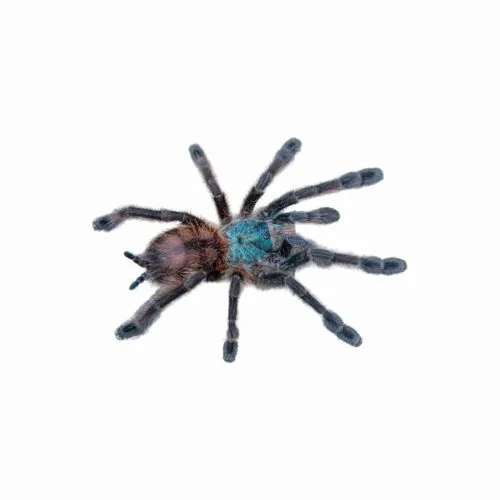
Caribena versicolor
Discover the charming Caribbean versicolor tarantula for your terrarium. With its beautiful coloration, it is a perfect addition for any spider fan. We recommend having previous experience with tarantulas or arachnids in general. Bring beauty and fascination to your space with this captivating species.