

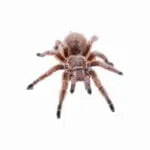
Brachypelma hamorii (ex smithi)
Price range: 19,00€ through 90,00€
Transform your terrarium into a vibrant haven with this unique tarantula. Ideal for beginners in tarantula breeding! Discover the fascinating world of these arachnids, an unforgettable learning experience!
Scientific Name: Brachypelma hamorii (formerly Brachypelma smithi)
Common Name: Mexican Red Knee Tarantula
Distribution: Native to Mexico, specifically the regions of Guerrero and Michoacán.
Habitat: Mainly inhabits semi-arid and tropical areas, such as dry forests and savannas.
Description:
- Size: Adult males typically reach between 5 to 6 inches (12-15 cm) in leg span, while females can measure between 6 to 7 inches (15-18 cm).
- Coloration: It has a robust body with a shiny black abdomen and legs of a reddish-orange tone at the joints, giving it its common name “Red Knee”. Additionally, it has a urticating hair brush on the abdomen.
- Behavior: This species is known to be relatively calm and docile. Though they may display some nervousness, they are not aggressive. They are nocturnal and spend most of their time in burrows they dig themselves or in natural shelters.
Feeding: It is a carnivorous species that mainly feeds on live insects such as crickets, roaches, beetles, and worms. They may also occasionally feed on small vertebrates like mice and lizards.
Lifespan: In captivity, they can live between 20 and 30 years, while in the wild their lifespan may be shorter due to factors such as predators and adverse environmental conditions.
Care in Captivity:
- Terrarium: A spacious terrarium with suitable substrate for burrowing, such as coconut fiber or potting soil, is recommended.
- Temperature and Humidity: They require temperatures between 24-28°C and a relative humidity of 70-80%. This can be achieved using a thermometer and a humidifier.
- Feeding: Offer appropriately sized live insects and worms, with feeding frequency varying depending on the growth stage.
- Handling: Excessive handling should be avoided as it can stress them. If necessary, handling should be done with care using suitable tools.
Note: Brachypelma hamorii is one of the most recommended species for beginners in tarantula keeping due to its slow growth and generally calm behavior.
| Options | 1 cm (legspan) unsexed, 3-3,5 cm (body), Female 3-4 cm (body), Female 4-5 cm (body) |
|---|
Related products
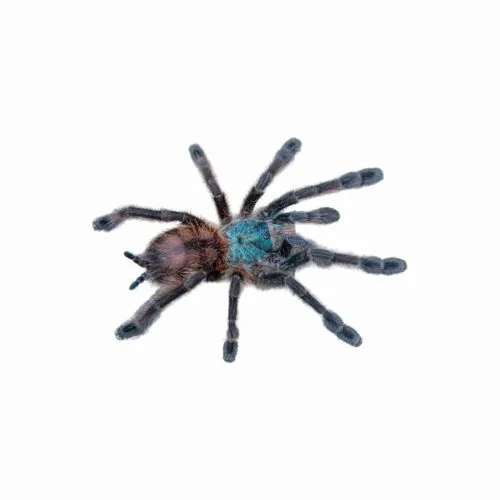
Caribena versicolor
Discover the charming Caribbean versicolor tarantula for your terrarium. With its beautiful coloration, it is a perfect addition for any spider fan. We recommend having previous experience with tarantulas or arachnids in general. Bring beauty and fascination to your space with this captivating species.