
5,00€
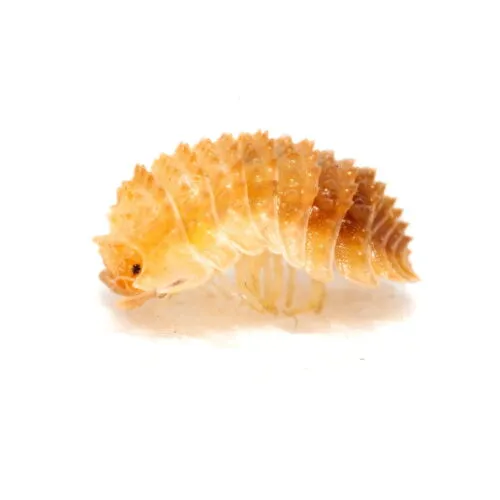
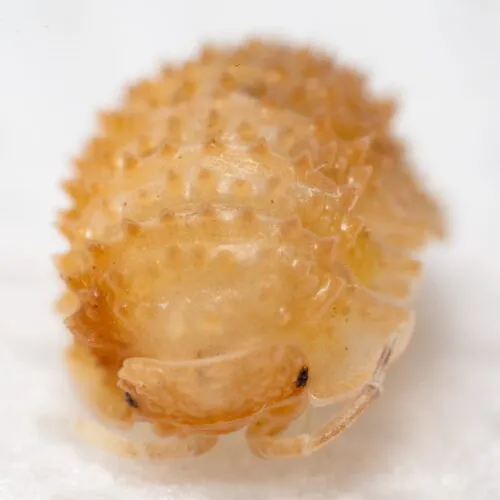
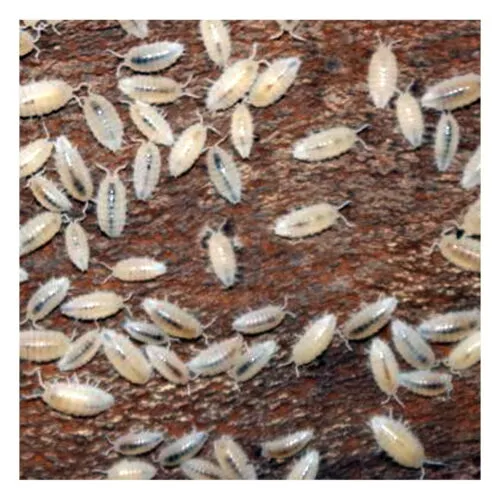
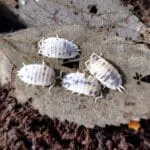
Discover the vibrant world of miniature nature with our Porcellio laevis Orange! These charming orange isopods will add a unique splash of color to your terrarium. Easy to care for and fascinating to observe, get yours today and bring your environment to life!
Scientific Name: Porcellio laevis Orange
Common Name: Orange Smooth Isopod
Taxonomic Classification:
- Kingdom: Animalia
- Phylum: Arthropoda
- Subphylum: Crustacea
- Class: Malacostraca
- Order: Isopoda
- Family: Porcellionidae
- Genus: Porcellio
- Species: laevis
Geographical Distribution: Orange Porcellio laevis isopods are native to Europe but have also been introduced to other parts of the world due to their popularity as terrarium pets.
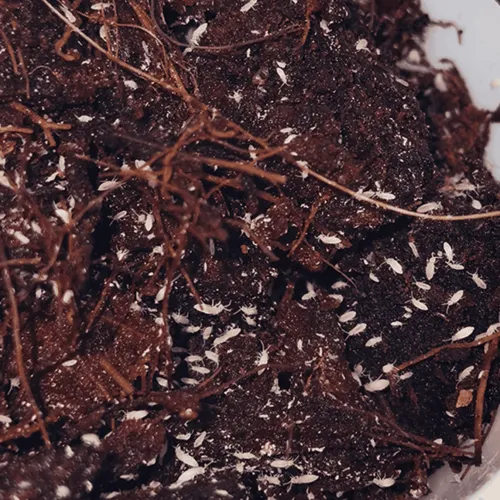
Habitat: These isopods prefer humid and dark habitats such as forests, under rocks, fallen logs, and leaf litter.
Description:
- Color: Mostly orange, with some variations in color intensity.
- Size: They reach sizes of around 1 to 1.5 centimeters in length.
- Body: They have a segmented and dorsoventrally flattened body. They have seven pairs of legs.
- Texture: The surface of their body is smooth and shiny.
Behavior and Feeding:
- They are detritivores, meaning they primarily feed on decomposing organic matter such as fallen leaves and decaying wood.
- They are nocturnal and hide during the day.
- They are gregarious and gather in colonies for protection and reproduction.
Reproduction:
- Orange Porcellio laevis isopods are ovoviviparous, meaning they give birth to live young instead of laying eggs.
- The offspring emerge fully formed and similar to adults but smaller.
Ecological Importance:
- They contribute to the decomposition cycle by breaking down organic matter in the soil, thus helping maintain ecosystem health.
Additional Notes:
- They are common as terrarium pets due to their striking appearance and ease of care.
- It is recommended to keep them in a humid environment with enough substrate to burrow and hide.
| Options | 10 units |
|---|
Related products
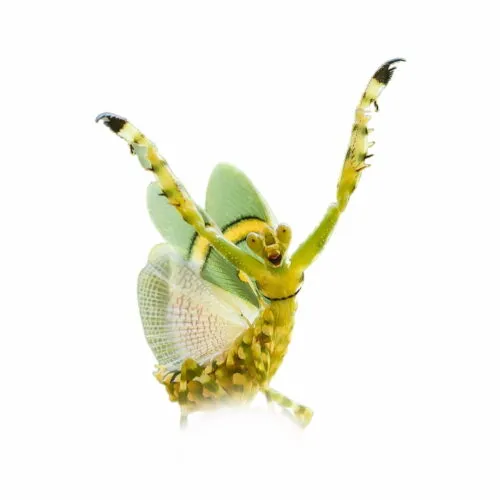
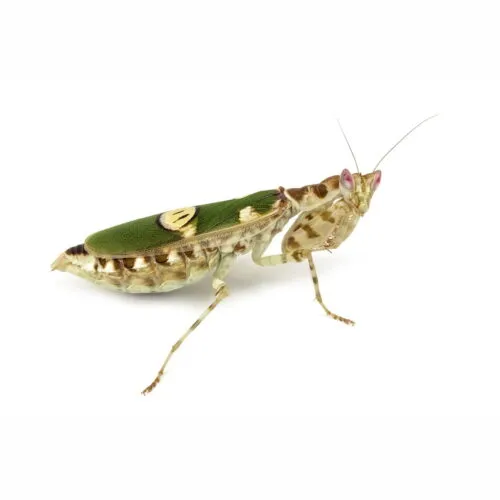
Creobroter gemmatus
Descobreix el fascinant món de la Jewel Mantis: una criatura exòtica i enigmàtica que et convida a explorar el seu comportament únic. Submergeix-te en l'estudi del seu camuflatge, la seva agilitat en la caça i la seva bellesa captivadora. Una experiència que desperta la curiositat i et connecta amb la natura d'una manera inspiradora!