
Coccinella septempunctata
Price range: 15,00€ through 25,00€
Isopod Starter Kit
14,00€
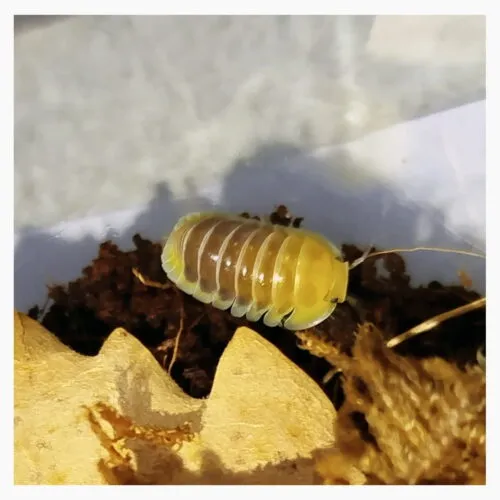
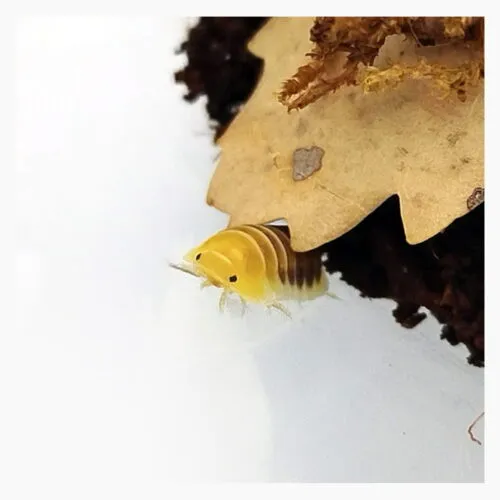
Porcellio ornatus high yellow
3,00€
Explore the fascinating Porcellio ornatus “High Yellow”! An exotic isopod with a vibrant yellow color, ideal for collectors and nature lovers. Easy to care for and perfect for terrariums and educational projects. 🌟 #Isopods
Description
Technical Sheet for Porcellio ornatus “High Yellow”
1. General Description
Common Name: High Yellow Isopod
Scientific Name: Porcellio ornatus “High Yellow”
Family: Porcellionidae
Order: Isopoda
Class: Malacostraca
Phylum: Arthropoda
Kingdom: Animalia
2. Morphology and Appearance
- Coloration: Porcellio ornatus “High Yellow” is characterized by a predominantly bright yellow body with black and grey patterns. The intensity of the yellow may vary, but it is noted for being vibrant.
- Size: Adults reach a length of between 1.5 and 2.2 cm.
- Body Shape: Dorsally flattened, with a segmented and rigid exoskeleton.
- Antennae: Two pairs of antennae, with the first pair being short and the second pair longer and more sensitive.
3. Distribution and Habitat
- Geographical Distribution: Native to Mediterranean regions, especially southern Europe.
- Natural Habitat: Commonly found in moist and shady environments such as under rocks, logs, and leaf litter. Prefers well-drained soils rich in organic matter.
4. Behavior and Ecology
- Diet: Detritivore, primarily feeds on decaying plant material but can also consume fungi and dead animal matter.
- Activity: Primarily nocturnal, seeking shelter during the day to avoid dehydration.
- Reproduction: Reproduction is ovoviviparous. Females carry the eggs in a ventral pouch until they hatch.
- Life Cycle: Development from egg to adult takes approximately 3 to 4 months. Longevity can reach up to 2 years under favorable conditions.
5. Captive Care Conditions
- Temperature: Optimal range between 20°C and 25°C.
- Humidity: Requires high humidity, preferably between 70% and 90%.
- Substrate: Suitable substrate composed of a mix of soil, coconut fiber, and dried leaves. It is important to keep it slightly moist but not soaked.
- Feeding in Captivity: Can be fed a varied diet including fresh vegetables, fruits, dried leaves, and occasionally specialized isopod food available in pet stores.
- Shelter: Provide plenty of hiding material such as bark, pieces of wood, and flat stones.
- Compatibility: Peaceful and sociable, can be kept in groups without aggression issues.
6. Health and Special Care
- Disease Prevention: Maintaining proper humidity and avoiding the accumulation of mold and fungi is crucial to prevent fungal infections.
- Health Observations: Require a clean environment. It is important to remove uneaten food to prevent health problems.
- Common Problems: Dehydration is the most common issue due to moisture loss in the environment.
7. Human Interaction
- Handling: It is recommended to handle them carefully, as although they are harmless, they can easily become stressed.
- Educational Use: Ideal for educational projects due to their easy care and interesting behavior.
Additional information
| Options | 1 unit |
|---|
Related products
Sold out
Caribena versicolor
Discover the charming Caribbean versicolor tarantula for your terrarium. With its beautiful coloration, it is a perfect addition for any spider fan. We recommend having previous experience with tarantulas or arachnids in general. Bring beauty and fascination to your space with this captivating species.

Sold out
Sold out

Sold out
Sold out
Sold out
Sold out


