Porcellio werneri
Price range: 4,70€ through 23,00€
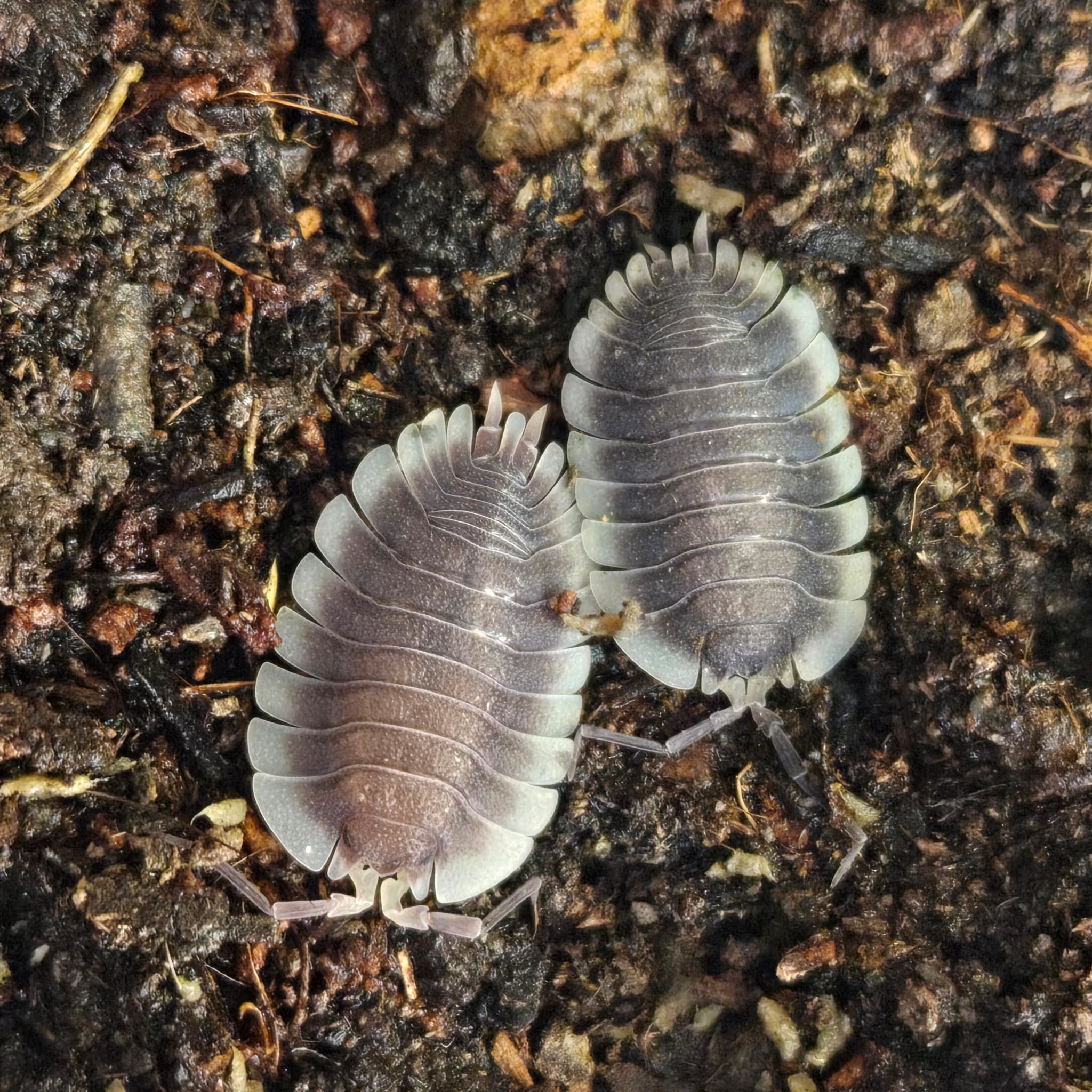
Porcellio werneri is a large, robust terrestrial isopod ideal for bioactive terrariums. It stands out for its active behaviour and its role as a natural clean-up crew, breaking down leaf litter, decaying wood, and organic matter. A highly appreciated species for keepers seeking hardy, attractive, and easy-to-observe isopods.
Technical Sheet – Porcellio werneri
Scientific name: Porcellio werneri
Common name: No widely accepted common name.
Genus: Porcellio
Family: Porcellionidae
Origin: North Africa (mainly Morocco).
Type: Terrestrial isopod.
Difficulty level: Intermediate.
Adult size: Approximately 1.8–2.5 cm.
Lifespan: Approximately 2–3 years.
Breeding rate: Moderate.
Activity: Mainly nocturnal, although it may also be active during the day.
Temperament: Active and relatively calm.
Social behavior: Lives in colonies.
Recommended temperature: 20–26 °C (68–79 °F).
Humidity: Moderate, with both a moist area and a dry area to allow natural moisture regulation.
Ventilation: High.
Diet: Detritivore.
Food: Leaf litter, decaying wood, mosses, occasional vegetables, and a regular calcium source such as cuttlebone, sterilized eggshells, or calcium supplements formulated for isopods.
Calcium requirements: High.
Recommended substrate: Organic-rich substrate containing coconut fiber, humus, decaying wood, and plenty of leaf litter.
Recommended décor: Cork bark, dried leaves, moss, and decaying wood.
Suitable for bioactive terrariums: Yes.
Role in bioactive setups: Excellent decomposer that helps recycle organic matter and maintain nutrient cycling.
Sexual dimorphism: Difficult to distinguish with the naked eye.
Description of Porcellio werneri
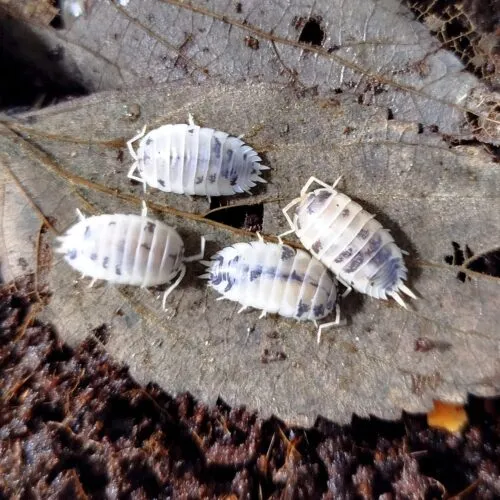
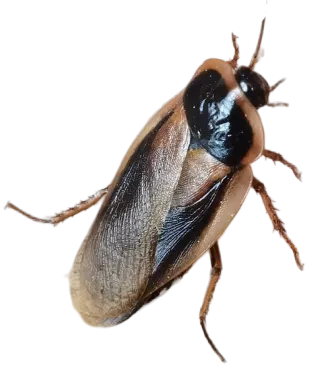
Porcellio werneri is a highly sought-after terrestrial isopod, appreciated for its large size and robust appearance. Its body displays natural grey tones that may vary slightly between individuals, making it an attractive addition to any bioactive enclosure.
Like other members of the Porcellio genus, it is an efficient decomposer, feeding on leaf litter, decaying wood, and other organic material while helping maintain a healthy and balanced ecosystem.
This species thrives in enclosures with excellent ventilation and a clear humidity gradient, allowing individuals to choose the conditions that best suit their needs. A varied diet combined with a constant calcium supply promotes healthy growth and successful moulting.
Thanks to its impressive size, active behaviour, and ease of observation, Porcellio werneri is an excellent choice for both isopod enthusiasts and larger bioactive terrariums.
Feeding Porcellio werneri
The diet of Porcellio werneri should primarily include:
- Leaf litter (oak, beech, magnolia, etc.).
- Decaying wood.
- Natural mosses.
- Occasional fresh vegetables.
- High-quality isopod foods.
- A constant calcium source (cuttlebone or mineral calcium).
A balanced diet supports healthy growth, successful breeding, and proper exoskeleton development.
Care Guide for Porcellio werneri
To maintain a healthy colony, it is recommended to:
- Keep temperatures between 20 and 26 °C (68–79 °F).
- Provide both a moist area and a dry area inside the enclosure.
- Ensure excellent ventilation to prevent stagnant humidity.
- Regularly replenish leaf litter and decaying wood.
- Always provide a reliable calcium source.
Why buy Porcellio werneri?
- Large and impressive terrestrial isopod.
- Excellent choice for bioactive terrariums.
- Highly efficient at breaking down organic matter.
- Active species that is easy to observe.
- Ideal for keepers looking for a distinctive Porcellio species.
| Options | 1 Unit, 5 Units |
|---|
Related products
Caribena versicolor
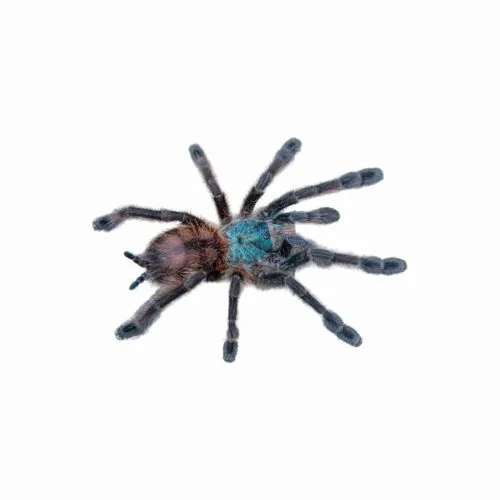
Discover the charming Caribbean versicolor tarantula for your terrarium. With its beautiful coloration, it is a perfect addition for any spider fan. We recommend having previous experience with tarantulas or arachnids in general. Bring beauty and fascination to your space with this captivating species.