
Lasiocyano sazimai
12,00€
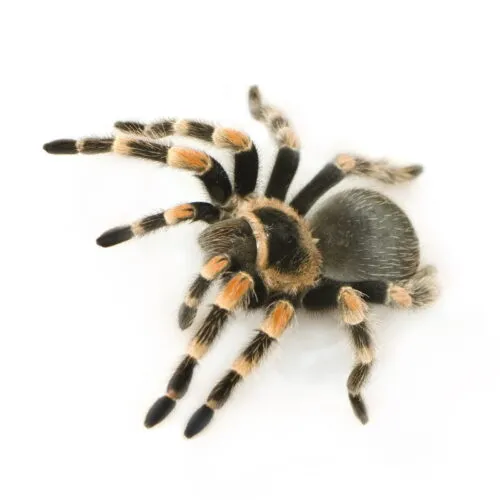
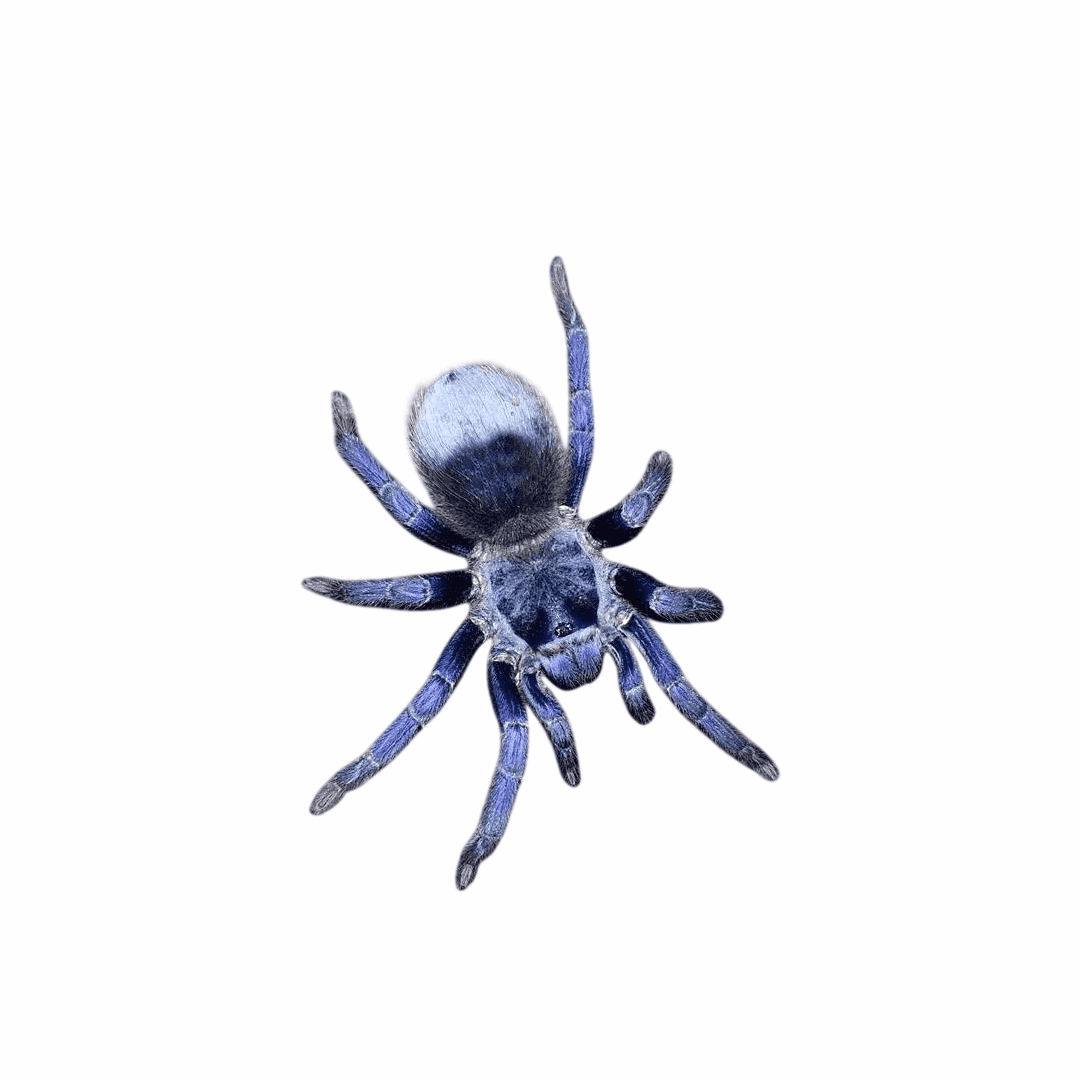
Lasiocyano sazimai, known as the Brazilian Blue Tarantula, stands out for its intense metallic blue coloration and terrestrial behavior. Ideal for enthusiasts of exotic tarantulas, this species combines striking beauty, an active temperament, and high value in specialized tarantula keeping.
Technical Sheet – Lasiocyano sazimai
Scientific name: Lasiocyano sazimai
Common name: Brazilian Blue Tarantula
Classification:
- Order: Araneae
- Family: Theraphosidae
- Subfamily: Theraphosinae
- Genus: Lasiocyano
- Species: Lasiocyano sazimai
Former name: Previously known as Pterinopelma sazimai
Origin: Brazil, mainly in the regions of Bahia, Minas Gerais and Chapada Diamantina.
Natural habitat: Inhabits dry, rocky areas and semi-arid savanna environments, using rock crevices, natural shelters and burrows. It is a terrestrial and opportunistic burrowing species.
Adult size: Approximately 14–16 cm leg span
Life expectancy:
Females: approx. 10–15 years
Males: approx. 3–5 years
Growth rate: Medium
Behavior: A fast, nervous and generally skittish species. It prefers to flee rather than attack, although it may adopt a defensive posture when threatened.
Recommended experience level: Intermediate
Type: Terrestrial / Opportunistic burrower
Coloration: Displays a striking metallic iridescent blue coloration, especially visible on the legs and cephalothorax. The abdomen usually shows darker tones with reddish or copper-colored hairs. Its coloration becomes even more intense after molting.
Urticating hairs: Yes. Monitor for possible allergic reactions.
Venom: Mild, not medically significant for healthy humans. However, caution is always recommended, as some individuals may experience allergic reactions or sensitivity to a bite. Handling should be avoided unless necessary.
Habitat recommendations
Terrarium: Horizontal terrarium with good ventilation and more floor space than height.
Recommended sizes:
- Juvenile: 20x20x20 cm
- Adult: 30x30x25 cm or larger
Recommended substrate: Coconut fiber, unfertilized peat, arthropod soil or bioactive mix, with a minimum depth of 8–12 cm to allow burrowing.
Decoration: Cork bark shelters, natural bark pieces, stable rocks, secure hiding places and a shallow water dish.
Temperature: 22–26°C
Humidity: 60–70%
It is recommended to maintain one slightly moist area and another drier area to allow self-regulation.
Ventilation: Good airflow is essential to prevent stagnant humidity, mold and excessive condensation.
Feeding
Diet:
Insectivorous:
- crickets
- cockroaches
- small locusts
- appropriately sized larvae
- other suitable feeder insects
Feeding frequency:
- Slings: twice per week
- Juveniles: every 5–7 days
- Adults: every 7–14 days
Always remove uneaten prey.
Reproduction
Oviparous species. The female can produce egg sacs containing a large number of spiderlings depending on age, size and environmental conditions.
Notes
One of the most highly valued tarantulas in the hobby due to its spectacular metallic blue coloration. Although not highly aggressive, its speed and nervous temperament make it unsuitable for complete beginners.
| Options | 1 cm (leg span), unsexed |
|---|
Related products
Caribena versicolor
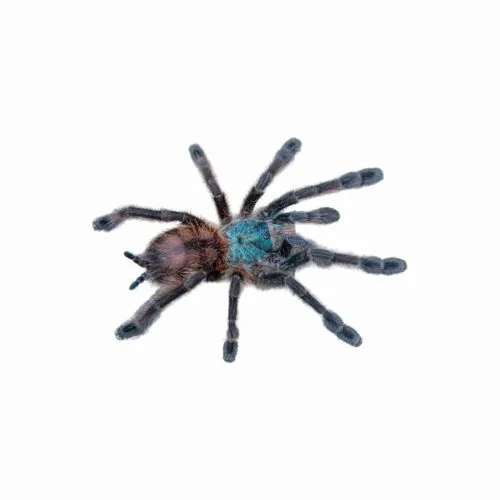
Discover the charming Caribbean versicolor tarantula for your terrarium. With its beautiful coloration, it is a perfect addition for any spider fan. We recommend having previous experience with tarantulas or arachnids in general. Bring beauty and fascination to your space with this captivating species.