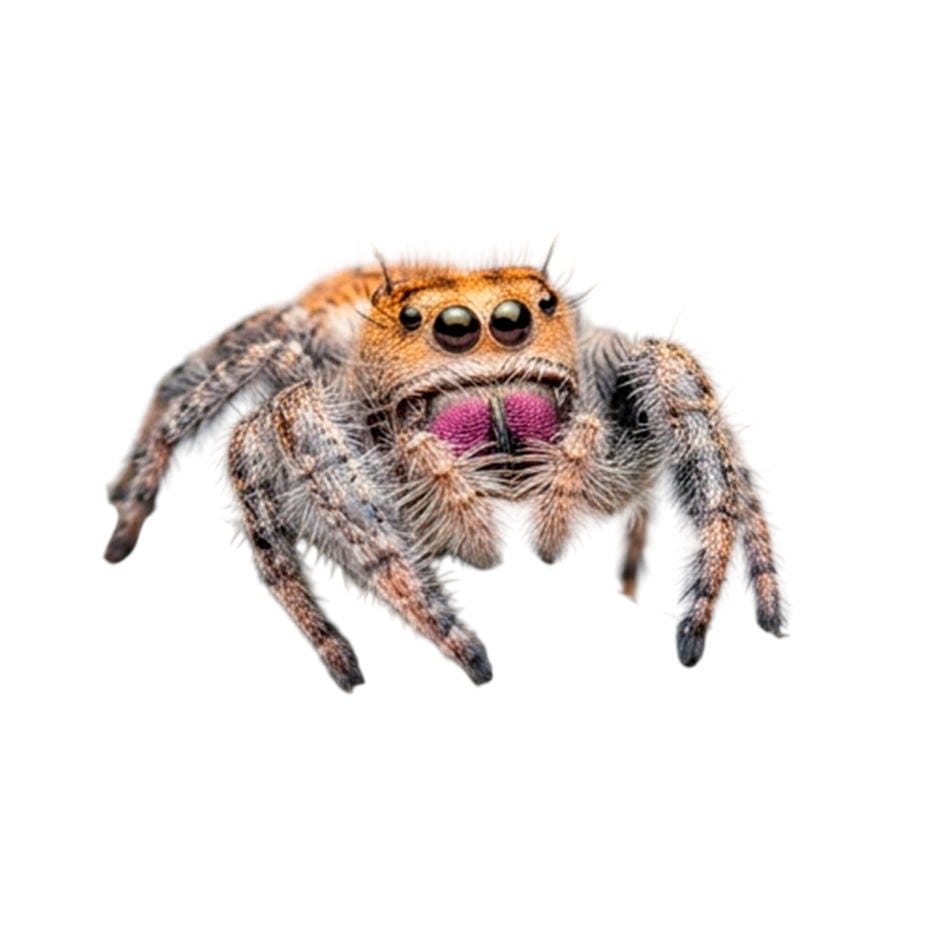
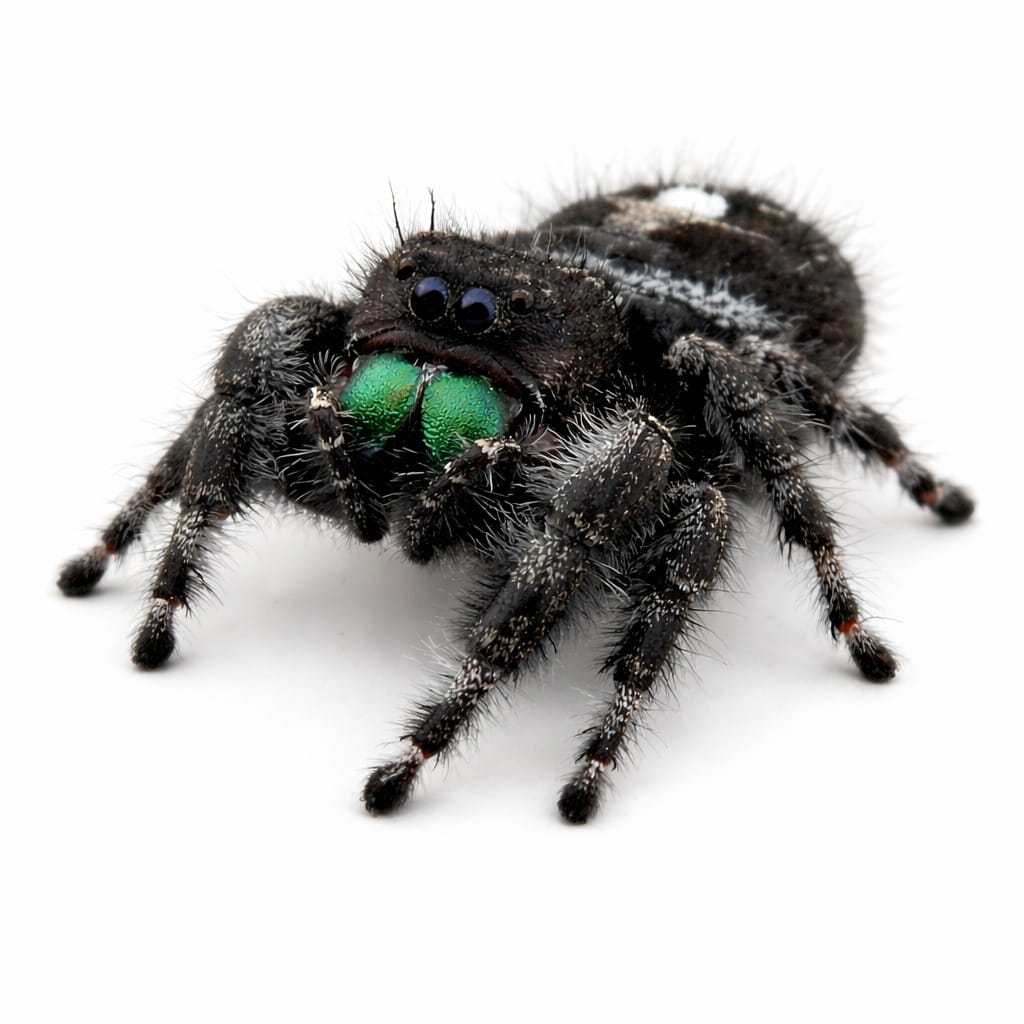
Phidippus regius
Price range: 17,50€ through 55,00€
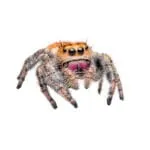
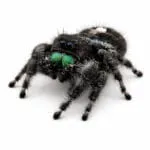
Phidippus regius is a beginner-friendly jumping spider, active during the day and easy to care for. Known for its curious behavior and excellent vision, it thrives in well-ventilated vertical enclosures. A hardy and versatile species that offers a fascinating and interactive viewing experience.
🕷️ Technical Sheet – Phidippus regius
Common name: Regal jumping spider
Scientific name: Phidippus regius
Type: Base species (natural variable morphology)
Origin: North America (mainly Florida) and the Caribbean
Adult size: 12 – 22 mm (females are more robust)
Lifespan: Approximately 12 – 30 months depending on sex and conditions
Recommended temperature: 22 – 27 °C
Humidity range: 50 – 65 %
Recommended setup: Vertical enclosure with good cross ventilation
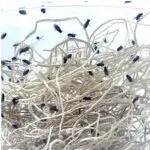
Diet: Live prey (fruit flies, micro crickets, small flies)
Activity period: Diurnal
Temperament: Observant, agile and non-aggressive
Care level: Easy (beginner-friendly)
🕷️ Description of Phidippus regius
One of the most versatile and popular jumping spiders
Phidippus regius is considered one of the most iconic species among jumping spiders. Its adaptability and active daytime behavior make it an excellent choice for both beginners and experienced keepers.
Unlike selectively bred variants, this form displays a wide natural variation in coloration, ranging from black and grey to brown or even orange hues, especially in females.
Active behavior and excellent vision
Like all jumping spiders, it stands out for its exceptional forward-facing vision, allowing it to detect movement with great precision. Instead of using webs to hunt, it actively stalks and jumps on its prey, offering a highly dynamic and engaging display in captivity.
Its temperament is generally calm yet curious, making observation easy without causing unnecessary stress when kept properly.
Simple and adaptable care
Phidippus regius does not require complex setups. It adapts well to simple enclosures as long as good ventilation and moderate humidity levels are maintained. Vertical elements such as branches or cork should be provided, allowing it to climb and build silk retreats in elevated areas.
Feeding should consist of appropriately sized live insects, offered regularly without overfeeding.
Genetic base of multiple morphs
This species is the origin of many commercial variants (such as “Rastafari”, “Apalachicola”, etc.), developed through selective breeding. Keeping a standard Phidippus regius allows you to observe a more natural and variable expression of the species, including color changes throughout its molts.
⚠️ Notes
- Avoid excessive humidity
- No frequent handling required
- May stop feeding during molting periods
- Do not disturb silk retreats
| Options | L1 – L2 (unsexed), L2 – L3 (unsexed), L4 (unsexed), Pair (male + female) L4 |
|---|
Related products