
Silkworm (Bombyx mori)
Price range: 4,50€ through 8,00€
Explore the life of the silkworm! From their breeding as live food for your exotic pets to their educational role, discover the fascinating metamorphosis of these incredible insects. 🐛
Technical Sheet of the Silkworm (Bombyx mori):
Scientific Name: Bombyx mori
Taxonomic Classification:
-
- Kingdom: Animalia
- Phylum: Arthropoda
- Class: Insecta
- Order: Lepidoptera
- Family: Bombycidae
- Genus: Bombyx
- Species: Bombyx mori
Description: The silkworm is the larva of a moth native to Asia, especially China, where it is bred in captivity for silk production. It is white or yellowish in color, with a soft, segmented body measuring around 3-5 centimeters in length. During its larval stage, it feeds exclusively on mulberry leaves.
Life Cycle: The life cycle of the silkworm consists of four stages: egg, larva, pupa, and adult. The larval stage is the most well-known, during which the silkworm feeds actively and produces silk.
Silk Production: Silkworms are famous for their ability to produce silk. During their larval stage, they secrete a fluid that, upon contact with the air, forms a silk thread. These threads are used to weave cocoons, within which the silkworm transforms into a pupa. Silk is widely used in the textile industry for the production of high-quality fabrics.
Uses and Applications:
-
- Silk Production: The primary application of the silkworm is silk production for the textile industry. The silk produced by these worms is valued for its softness, sheen, and durability.
- Live Food for Other Animals: In some animal husbandry practices, silkworms are used as live food. They are a rich source of proteins and nutrients and are used to feed animals such as reptiles, birds, and fish in the aquaculture industry and in exotic pet breeding.
- Education: The life cycle of the silkworm is commonly used in educational settings to teach about biology and the process of metamorphosis. Students can directly observe the development of the silkworm from egg to moth.
- Scientific Research: Silkworms are also used in scientific research in areas such as genetics, developmental biology, and bioengineering. Their short life cycle and ease of breeding make them valuable for experimental studies.
Economic and Cultural Importance: Sericulture has been an important economic and cultural activity in various parts of the world, especially in Asia. Silk production has been a source of income for many communities and has played a significant role in the history and culture of regions where it is practiced.
| Options | 10 units, 25 units |
|---|
Related products
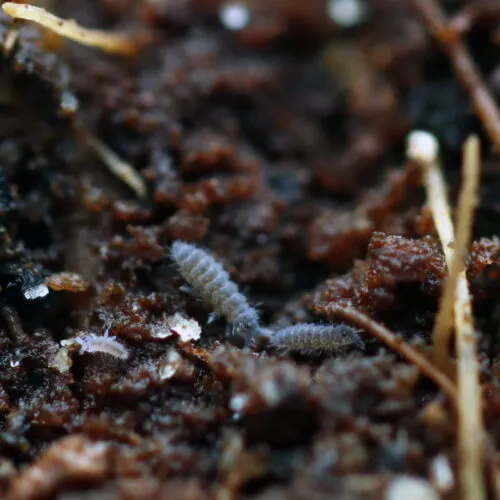
Ceratophysella sp. ‘Lilac’ (Springtails)
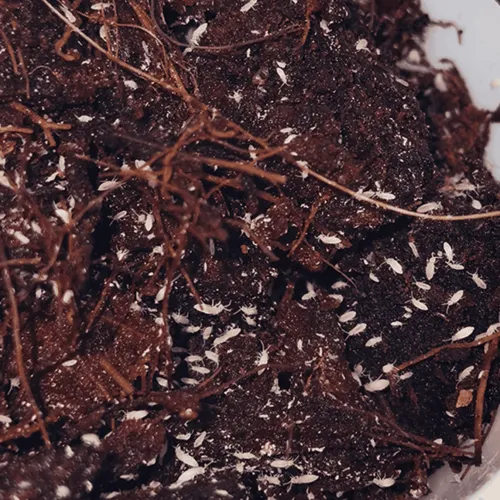
🌱 The springtail Ceratophysella sp. 'Lilac' is ideal for bioactive terrariums. Its unique lilac color and ability to decompose organic matter help keep your ecosystem clean and balanced. 🐜 Easy to care for and perfect as live food.
⚠️ Important: Springtails, small and earth-colored, are difficult to distinguish. Avoid handling them roughly to prevent damage.