
Trichorhina tomentosa
1,70€ – 5,00€Price range: 1,70€ through 5,00€
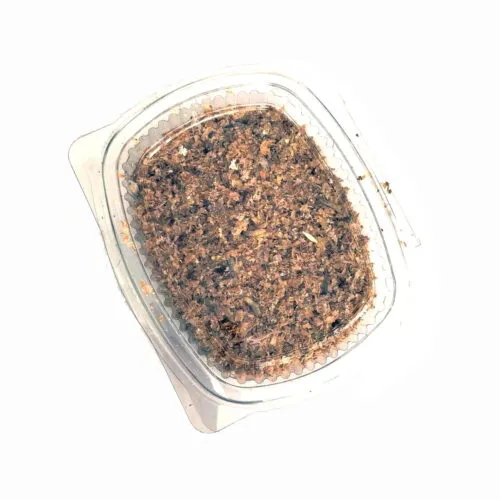
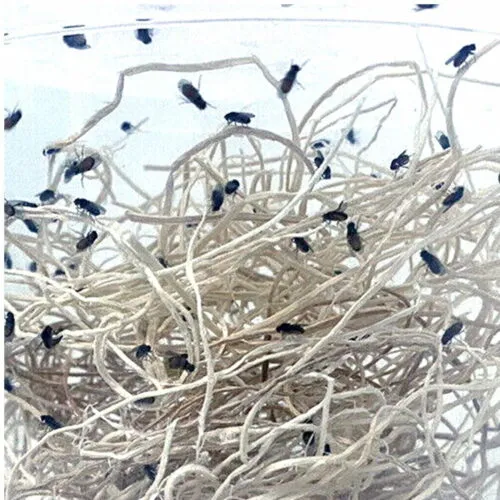
Discover Trichorhina tomentosa (dwarf mealybug), a live food for small animals such as reptiles or microfauna in bioactive terrariums. It is a food very rich in calcium. Also for ants and insects in general.
* The value (ml) is the total of the tub with the cochineal + substrate.
Technical information on Trichorhina tomentosa.
Scientific Name:
- Trichorhina tomentosa
Common Names:
- Pill bug
- Bicho bolita
- White woodlouse
- Moisture bug
Classification:
- Kingdom: Animalia
- Phylum: Arthropoda
- Subphylum: Crustacea
- Class: Malacostraca
- Order: Isopoda
- Family: Trichoniscidae
- Genus: Trichorhina
Distribution: Originally from North America, it is widely distributed worldwide, especially in moist environments such as organic soils and dark places.
Morphological Description:
- Size: Adults are approximately 5-8 mm long.
- Body: Oval, segmented into several sections, with a resilient exoskeleton.
- Color: Usually varies between brown and gray, although some individuals may have a white or light gray tint.
- Antennae: Short.
Biology and Behavior:
- Environment: Prefers moist habitats, commonly found in areas with decomposing organic material.
- Diet: Detritivore, feeds on decomposing organic material such as plant debris and leaves.
- Reproduction: Simple reproductive cycle; females carry eggs in a ventral pouch until they hatch.
Utility in the Breeding of Other Animals:
- Feeding: Ideal as food for other insects and reptiles in captivity due to its natural and nutrient-rich diet.
- Maintenance: Easy to care for in controlled environments due to its adaptability to humidity conditions and detritivorous nature.
Significance in Research: Used as a model organism in scientific studies, especially in research on animal behavior, ecology, and physiology.
| Options | 100 ml, 500 ml |
|---|
Related products
Ceratophysella sp. ‘Lilac’ (Springtails)
Sold out
🌱 The springtail Ceratophysella sp. 'Lilac' is ideal for bioactive terrariums. Its unique lilac color and ability to decompose organic matter help keep your ecosystem clean and balanced. 🐜 Easy to care for and perfect as live food.
⚠️ Important: Springtails, small and earth-colored, are difficult to distinguish. Avoid handling them roughly to prevent damage.
Crickets Acheta domesticus
there is stock
Acheta domesticus crickets are the perfect live food for reptiles, amphibians, arthropods and insectivorous mammals. Rich in protein and minerals, they stimulate the hunting instinct and ensure complete nutrition. Quality guaranteed!
Bioactive substrate with microfauna
there is stock
Ideal for bioactive terrariums, it contains springtails, Trichorhina and isopods that decompose organic matter, improve soil and control pests. Promotes a natural ecological balance, perfect for reptiles, amphibians and exotic plants.
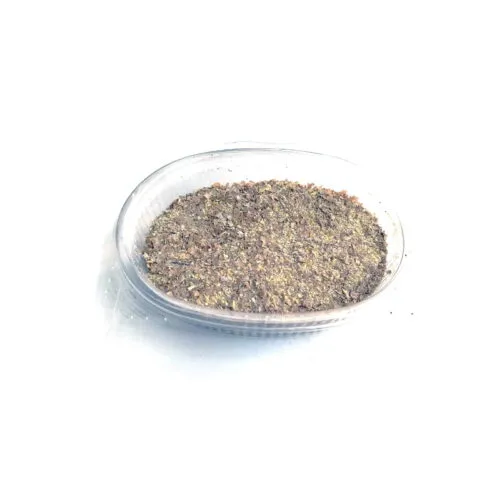
Food for springtails
there is stock
Optimize the health of your springtails with our ground cereal mix. Essential nutrition for their development and reproduction. Enhances its life cycle in cultivation.
Elliptorhina Javanica
there is stock
Elliptorhina javanica: Versatile live food for reptiles, amphibians and other insects. Nutritious, easy to raise and stimulates hunting behavior.
Cuttlebone
there is stock
Maximize your pets' health and promote biodiversity! Full of calcium, cuttlefish bone is essential for strengthening bones and shells in a wide range of animals, from insects to reptiles and birds. A natural resource that benefits all inhabitants of the animal kingdom!
Zophoba morio
there is stock
Discover excellence in nutrition for your exotic pets! Zophoba morio, rich in protein and easy to raise, is the ideal live food for reptiles, amphibians and birds. Offers the best for your pet! 🐍🦎🐦
Honey Larvae / Waxworms (Galleria Mellonella)
Sold out
Live food, ideal for ants, the honey worm (Galleria Mellonella) is a widely used food for insects, reptiles and amphibians. It is also a live food widely used in the world of fishing.