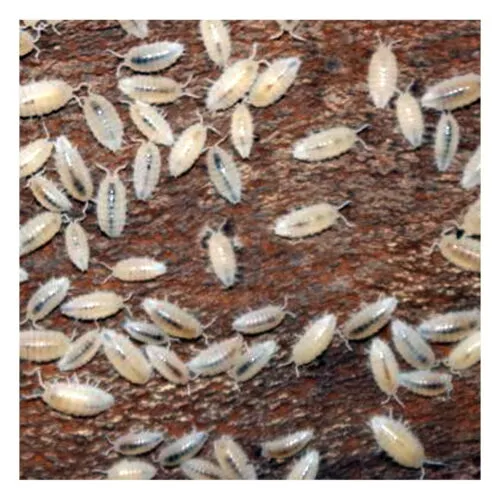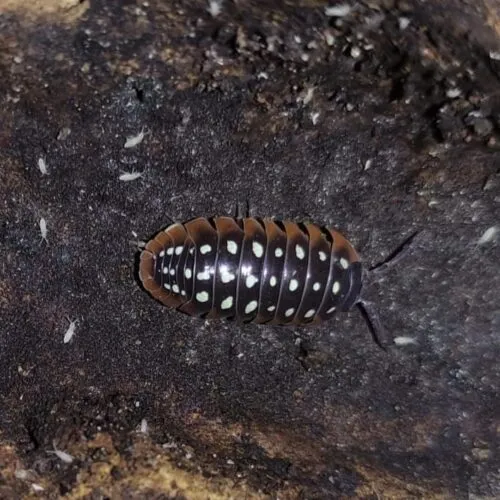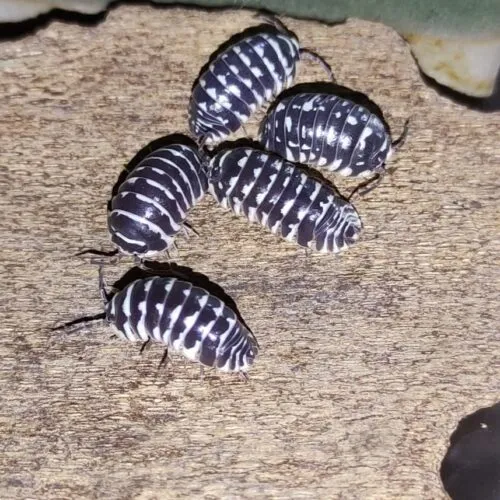
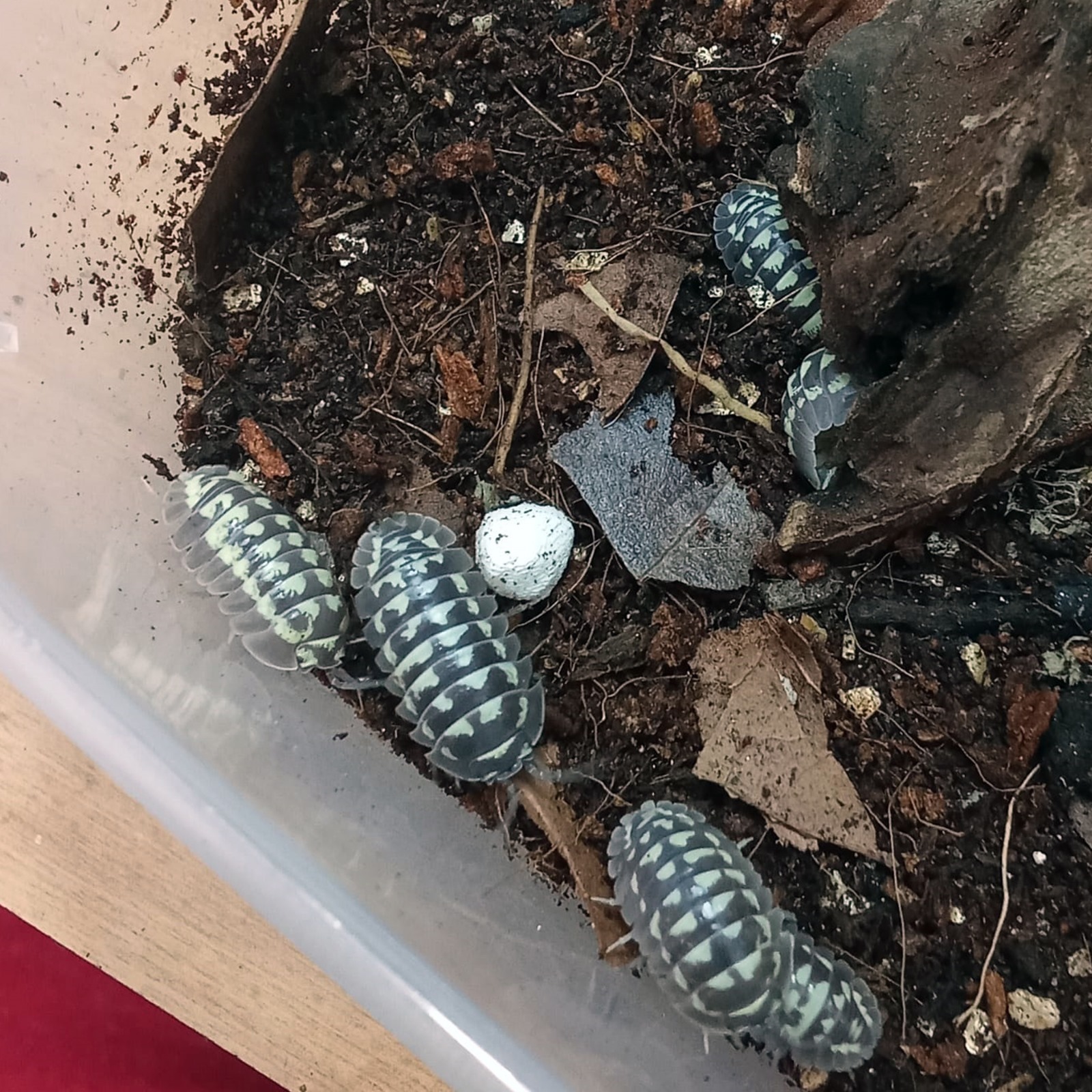
Armadillidium gestroi “White Spotted”
2,50€
The Armadillidium gestroi “White Spotted” is a fascinating isopod with a unique pattern of white spots on a dark body. Perfect for bioactive terrariums, it aids in organic matter decomposition and adds a special touch to your ecosystem. A great companion!
Technical Data Sheet: Armadillidium gestroi “White Spotted”
Scientific Name: Armadillidium gestroi “White Spotted”
Common Name: Armadillidium gestroi white spotted
Family: Armadillidiidae
Description: The Armadillidium gestroi “White Spotted” is a terrestrial isopod known for its distinctive coloration, featuring a dark body with scattered white spots. Its segmented exoskeleton allows it to roll into a ball when threatened. This variety is highly valued among isopod enthusiasts and in bioactive terrariums.
Size: Reaches an adult length of approximately 1.5 cm to 2 cm.
Natural Habitat: Native to Europe, it inhabits humid environments with organic-rich soils, often hiding under logs, stones, and leaf litter.
Care Requirements:
- Humidity: Moderate to high (60-80%). A humid and a drier area within the terrarium is recommended.
- Temperature: Between 18°C and 26°C.
- Ventilation: Moderate, avoiding excessive condensation.
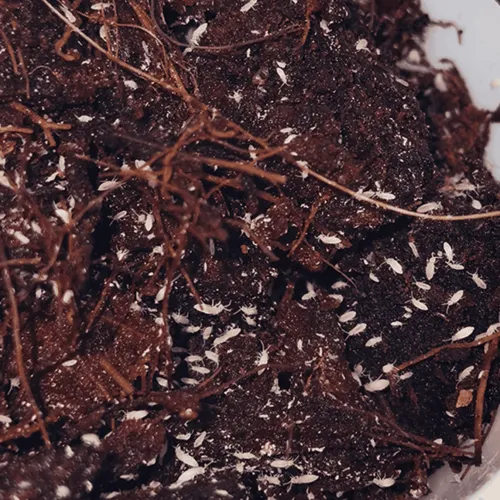
- Substrate: A mix of coconut fiber, dry leaves, moss, and decaying wood.
Diet: Omnivorous and detritivorous. Feeds on decomposing organic matter, dry leaves, rotting wood, calcium-rich foods (cuttlefish bone, crushed eggshells), and occasionally fruits and vegetables.
Behavior: Moderately active, social, and gregarious. It is recommended to keep them in colonies. Their ability to roll into a ball serves as an effective defense mechanism against predators.
Reproduction: Easily reproduces in captivity, with a gestation period of approximately 2 months. Offspring hatch as miniature versions of the adults and develop through successive molts.
Uses and Benefits:
- Contributes to ecological balance in bioactive terrariums.
- Helps decompose organic material.
- A fascinating species for breeding and keeping exotic isopods.
Observations: For proper maintenance, a varied diet should be provided, and humidity and ventilation levels must be controlled to prevent dehydration or excessive fungal growth in the substrate.
| Options | 1 unit |
|---|
Related products