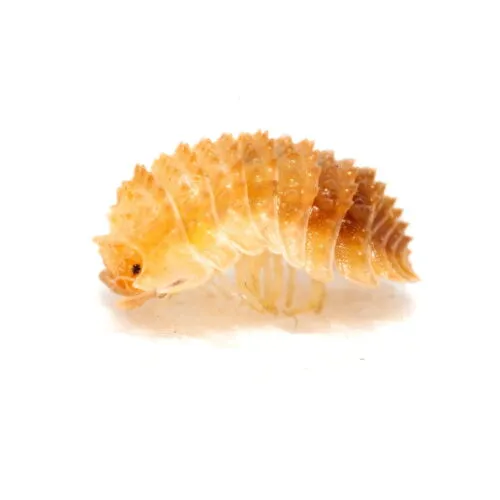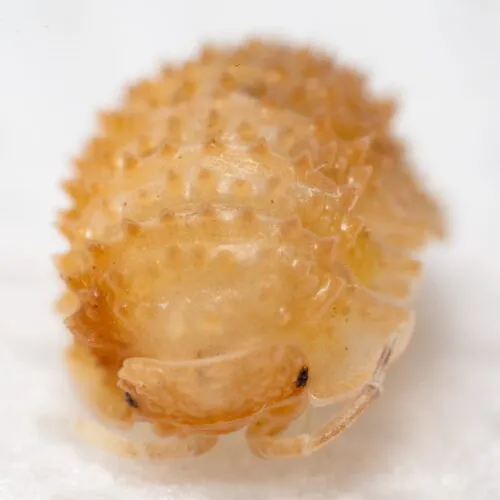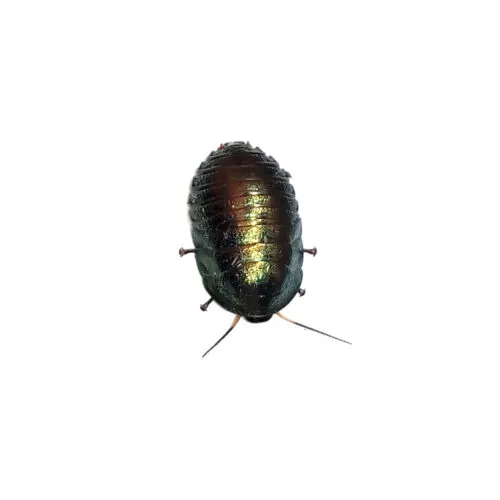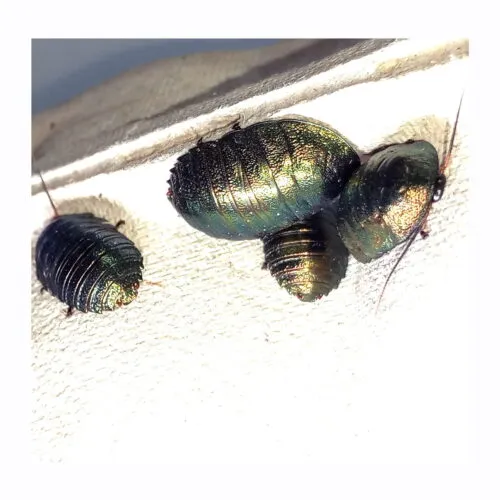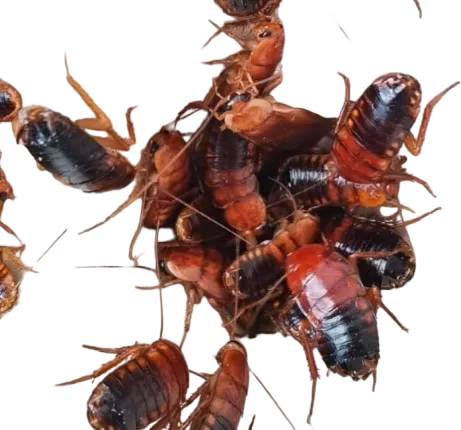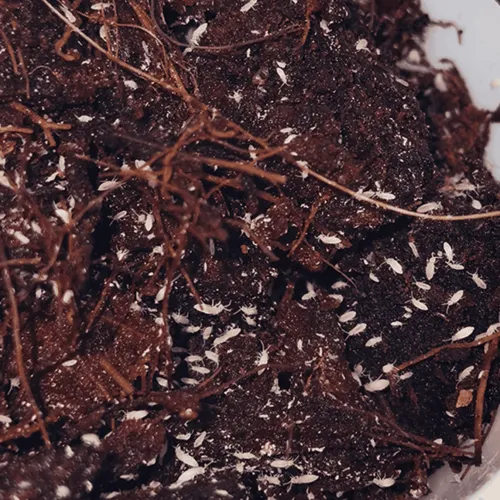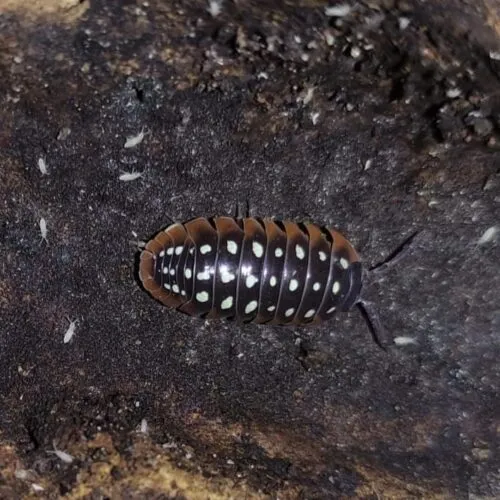
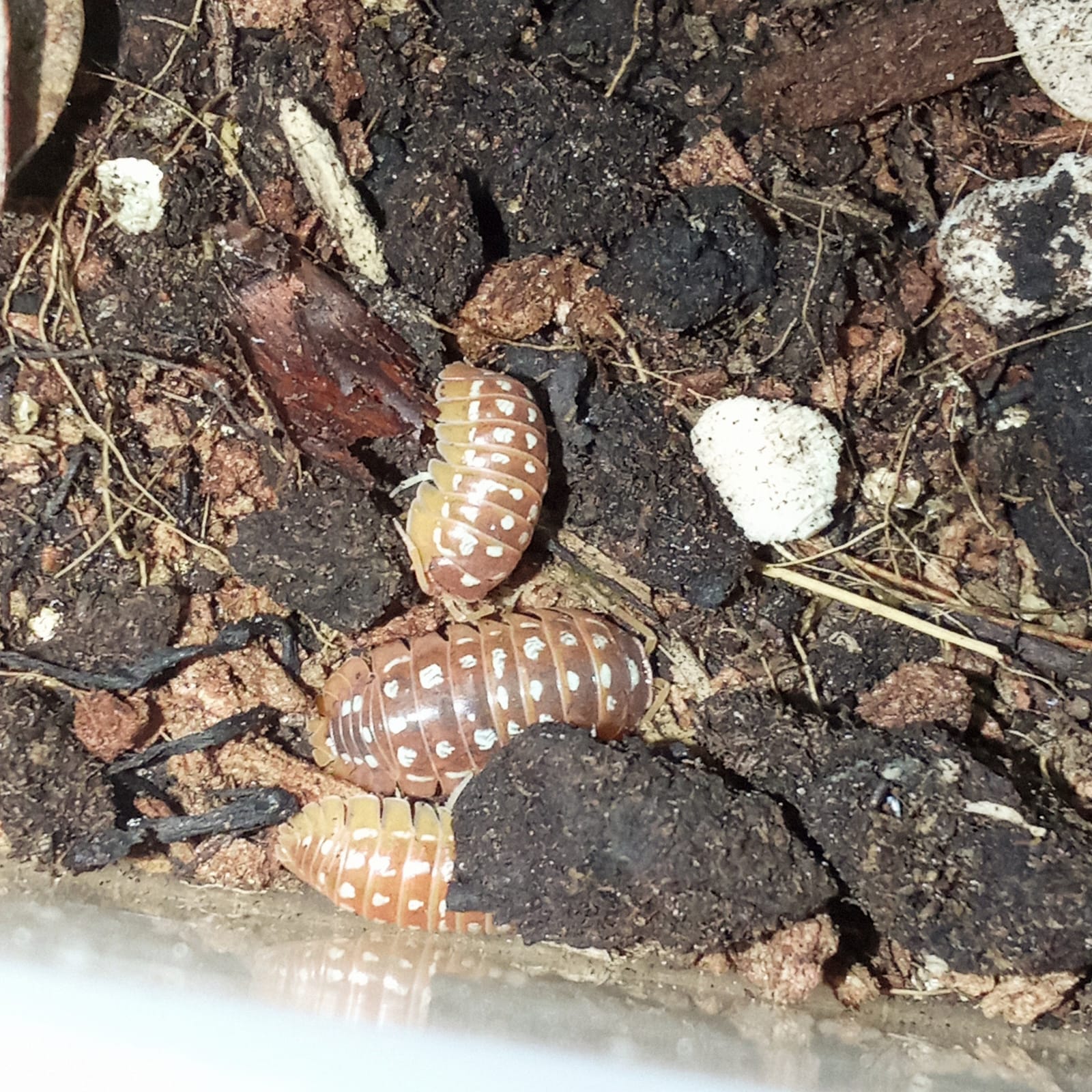
Armadillidium werneri “Orange”
2,00€
Bring color and balance to your terrarium with the vibrant Armadillidium werneri “Orange”! 🧡 A hardy isopod, easy to care for and perfect as a natural cleanup crew. Feeds on organic waste and thrives in bioactive setups. 🌱 A beautiful, functional addition to any habitat!
📝 Technical Sheet – Armadillidium werneri “Orange”
Common name: Armadillidium werneri “Orange” Isopod
Scientific name: Armadillidium werneri
Variety: Orange (bright orange coloration)
Adult size: 1.2 – 1.8 cm
Coloration: Uniform bright orange
Ideal temperature: 20 °C – 26 °C (68 °F – 78.8 °F)
Humidity level: 60 % – 80 % (humid and dry zones recommended)
Recommended habitat: Terrariums, paludariums, bioactive setups, and cleanup crew
Ideal substrate: Coconut fiber, dry leaves, sphagnum moss, decaying wood
Diet: Detritivore – eats organic matter, leaf litter, vegetables, calcium (cuttlebone)
Care level: Low maintenance
Reproduction: Oviparous, easy to breed in captivity
Compatibility: Great for beginners and safe with reptiles, amphibians, or non-aggressive inverts
Ecological function: Cleanup crew – reduces mold, waste, and organic debris
📖 General Information
Armadillidium werneri “Orange” is a stunning terrestrial isopod known for its vibrant orange color, making it a favorite for bioactive terrariums and natural display setups. Not only is it eye-catching, but it also plays a crucial role in maintaining ecosystem balance as a highly effective cleanup crew species.
🦠 Natural Cleanup & Mold Control
As a detritivore, this isopod feeds on decomposing organic matter—dead leaves, leftover food, feces, and rotting wood—making it an essential component in bioactive enclosures. Its activity helps control mold and harmful bacteria, promoting a healthier microhabitat.
🌿 Perfect for Terrariums & Bioactive Enclosures
Ideal for:
- Reptile, amphibian, and invertebrate terrariums
- Paludariums with terrestrial sections
- Bioactive systems requiring a natural cleaning cycle
- Decorative or educational setups thanks to its bold coloration
The A. werneri “Orange” is appreciated for its hardiness, low maintenance needs, and adaptability to mixed humidity environments. Ensure proper ventilation and hiding spots for optimal well-being.
🍃 Diet & Care
Its diet includes dry leaves (oak, beech, magnolia), vegetable scraps (carrot, zucchini, cucumber), specific isopod food, and a constant calcium source such as cuttlebone or crushed eggshell. Always keep a humid area in the enclosure to aid in molting and general health.
| Options | 1 unit |
|---|
Related products