
-54%
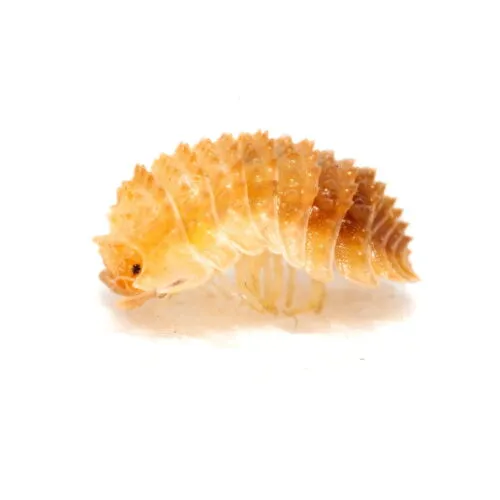
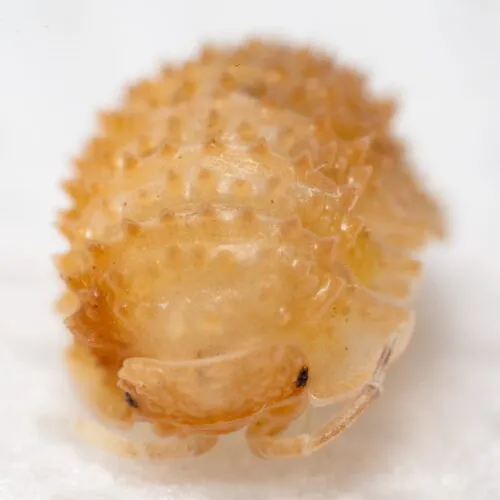
Cubaris sp. "Red Edge Albino - andaman Pearl"
Price range: 3,50€ through 30,00€
Begonia Rex “Silver”
5,50€
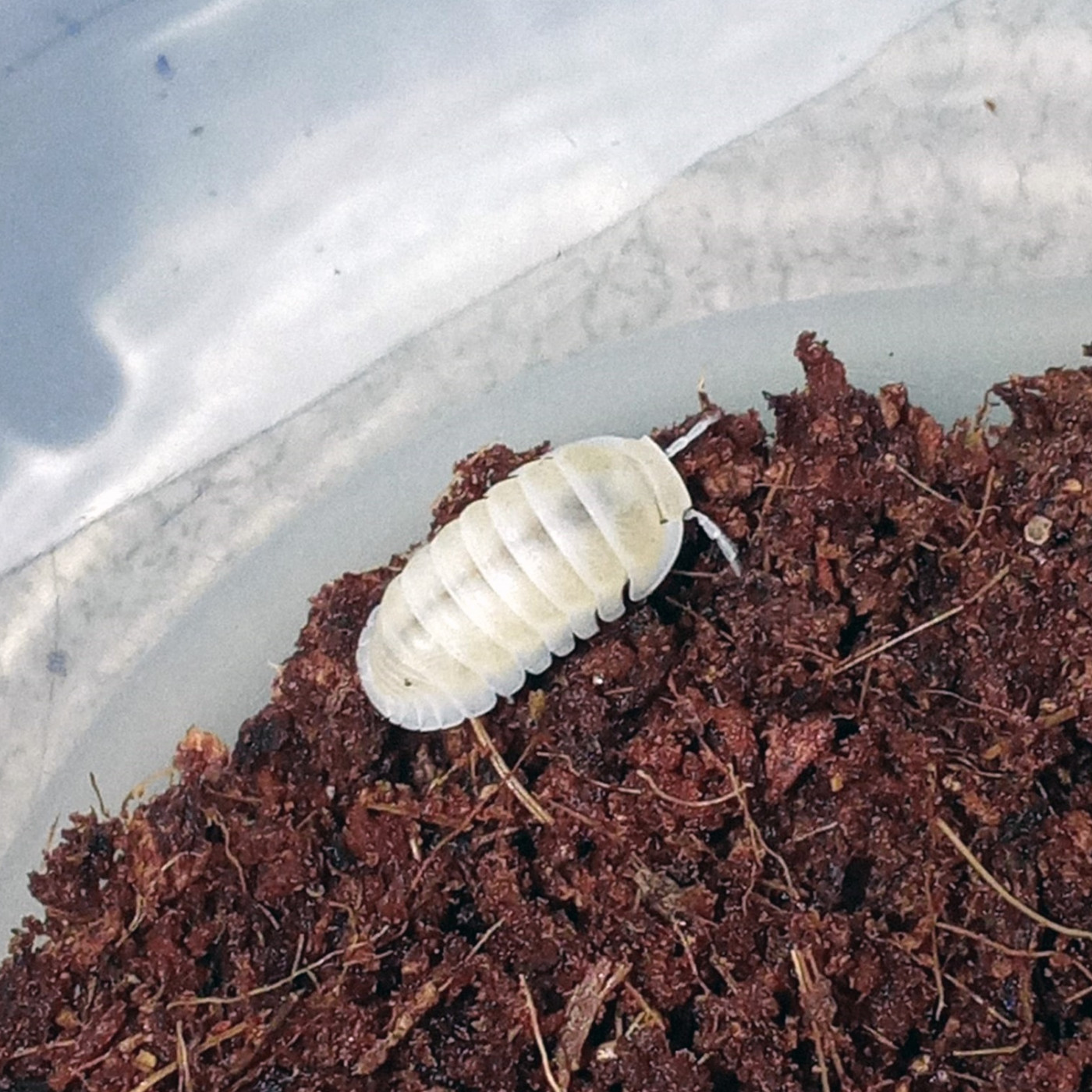
Cubaris panda King “White”
Price range: 3,00€ through 45,00€
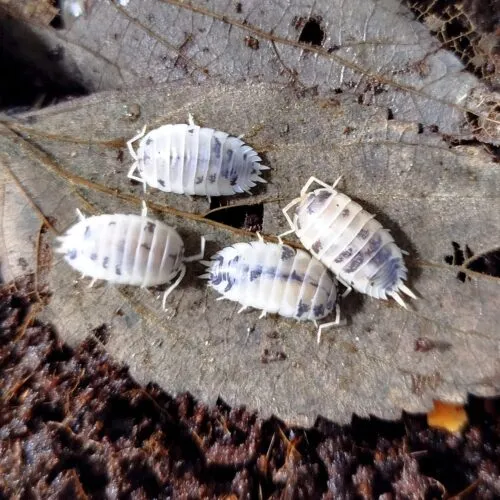
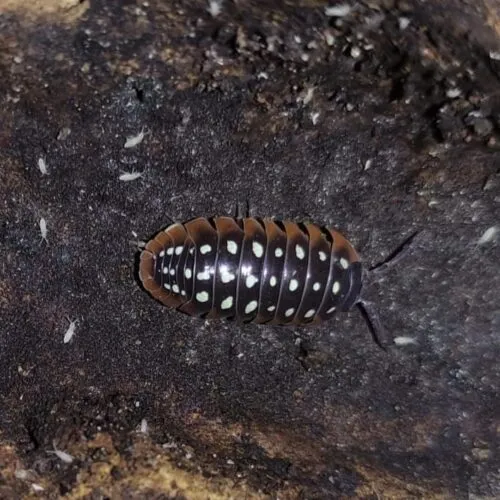
🐼✨ The Cubaris Panda King White is an exotic gem for your terrarium! With its elegant white tone and dark patterns, this isopod is perfect for bioactive setups. Easy to care for and highly active, they will bring life to your ecosystem 🌿🔬.
Description
Complete Technical Sheet of the Isopod Cubaris Panda King “White”
Scientific Name: Cubaris sp. “Panda King White”
Common Name: Cubaris Panda King White
Classification:
- Kingdom: Animalia
- Phylum: Arthropoda
- Class: Malacostraca
- Order: Isopoda
- Family: Armadillidae
Origin and Distribution:
This isopod originates from tropical regions of Southeast Asia, where it inhabits moist, decomposing soils in dense forests.
Morphology:
- Adult Size: Between 1.5 and 2 cm
- Coloration: White with well-defined dark patterns on the shell
- Body Structure: Segmented, capable of rolling into a ball as a defense mechanism
Maintenance Conditions:
- Ideal Temperature: Between 22°C and 26°C (72°F – 79°F)
- Relative Humidity: Between 70% and 80%
- Substrate: A mix of coconut fiber, dry leaves, decomposing wood, and sphagnum moss
- Ventilation: Moderate, avoiding excessive dryness
- Hiding Spots: Logs, bark, and stones for shelter
Diet:
- Decomposing plant matter (dry leaves, bark, moss)
- Decomposing wood rich in cellulose
- Protein supplements such as fish food, powdered calcium, and crushed eggshells
Behavior and Sociability:
- Gregarious species, prefers to live in large colonies
- Active in food searching, especially at night
- Their burrowing behavior helps aerate the substrate in bioactive terrariums
Reproduction:
- Ovoviviparous reproduction, young are born fully developed inside the female’s marsupium
- Reaches maturity in approximately 4 to 6 months
- It is recommended to keep an initial group of at least 10 individuals to encourage reproduction
Maintenance Difficulty:
- Medium level, requires constant monitoring of humidity and temperature
- Ideal for bioactive projects in tropical terrariums
Bioactivity Applications:
- Contributes to the decomposition cycle of organic matter in terrariums
- Helps maintain ecosystem balance by consuming food scraps and mold
- Compatible with various species of reptiles, amphibians, and other invertebrates in tropical terrariums
Additional Notes:
The Cubaris Panda King White is a variant of the Cubaris Panda King, distinguished by its more intense white coloration. Its patterns and coloration make it highly appreciated by collectors and bioactive system enthusiasts.
Additional information
| Options | 1 unit, 10 units |
|---|
Related products
Sold out

Sold out

Sold out
Sold out


