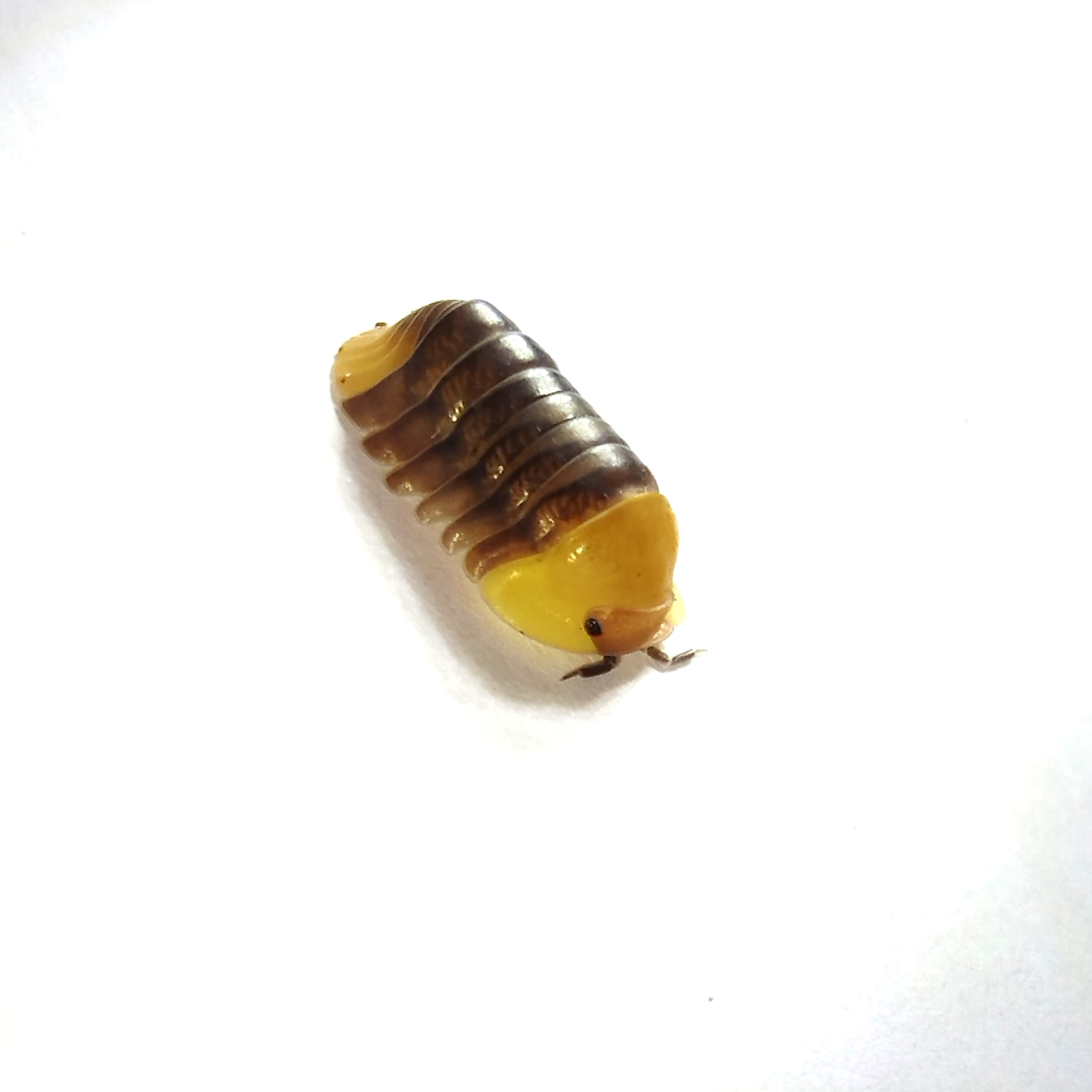
Cubaris sp. “Rubber Ducky”
Original price was: 15,00€.10,00€Current price is: 10,00€.
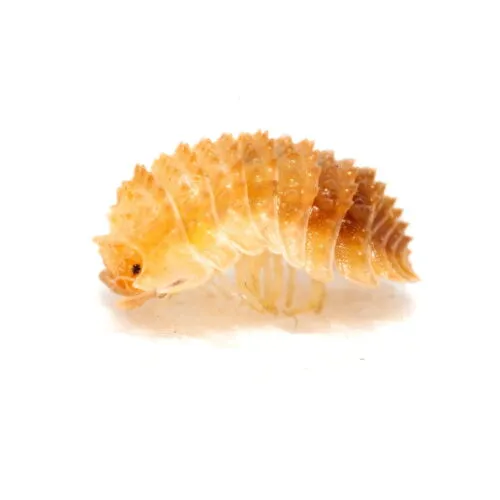
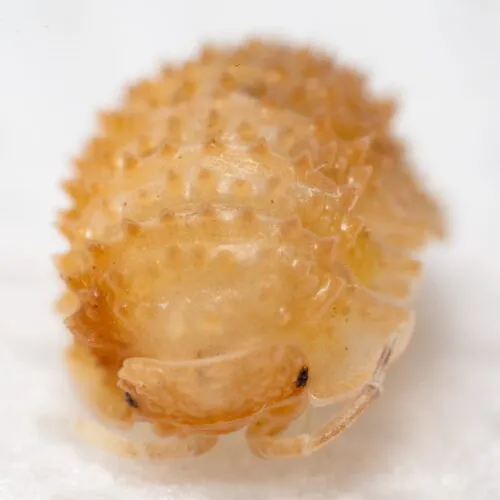
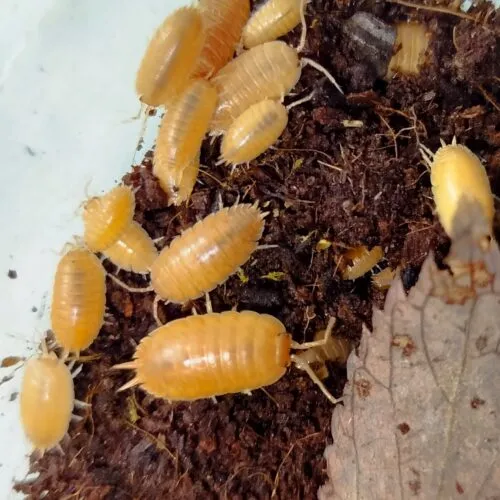
Discover the jewel of the isopods! The Cubaris sp. “Rubber Ducky” is the perfect addition to your terrarium. Its striking yellow and black coloration and charming ability to roll up into a ball give it the name “rubber ducky” because of its resemblance to rubber duckies. Don’t miss it!
Technical Data Sheet: Isopod Cubaris sp. “Rubber Ducky”
Scientific Name: Cubaris sp. “Rubber Ducky”
Common Name: Rubber Ducky Isopod
Taxonomy:
- Kingdom: Animalia
- Phylum: Arthropoda
- Class: Malacostraca
- Order: Isopoda
- Family: Armadillidae
- Genus: Cubaris
- Species: sp. “Rubber Ducky”
General Description: Cubaris sp. “Rubber Ducky” is a terrestrial isopod known for its unique and striking appearance, which has earned it the common name “rubber ducky.” This name comes from its resemblance to rubber duckies in terms of colors and shape.
Morphology:
- Coloration: Primarily bright yellow with black details. The head and the first segment of the body are usually black, while the rest of the body is mostly yellow.
- Size: Can reach up to 2 cm in length.
- Shape: It has a segmented and curved body, typical of isopods, with the ability to roll into a ball when threatened.
Habitat:
- Distribution: Native to the tropical regions of Thailand.
- Environment: Inhabits moist soils, preferably in areas with abundant decomposing organic matter. It is often found under fallen logs, dead leaves, and forest floors.
Diet:
- Feeding Habits: Detritivore, primarily feeds on decomposing organic matter, including dead leaves, decaying wood, and other plant debris.
Behavior:
- Activity: Primarily nocturnal, active during low-light hours.
- Defense: As a defense mechanism, it can roll into a ball to protect its soft and vulnerable body.
Reproduction:
- Life Cycle: Females carry the eggs in a special pouch until the young are ready to hatch and begin their independent life.
Captive Care:
- Terrarium: Requires a terrarium with high humidity, good ventilation, and suitable substrate (coconut fiber, sphagnum moss, decomposed leaves).
- Humidity: Maintain high relative humidity, around 70-90%.
- Temperature: Optimal between 22°C and 26°C (72°F – 79°F).
- Feeding: Can be fed with dried leaves, pieces of decomposing wood, fruits, and vegetables in small quantities.
Note: Cubaris sp. “Rubber Ducky” is a popular species in the hobby of isopod keeping due to its unique appearance and relatively low care requirements, as long as it is kept in adequate humidity and temperature conditions.
| Options | 1 unit |
|---|
Related products