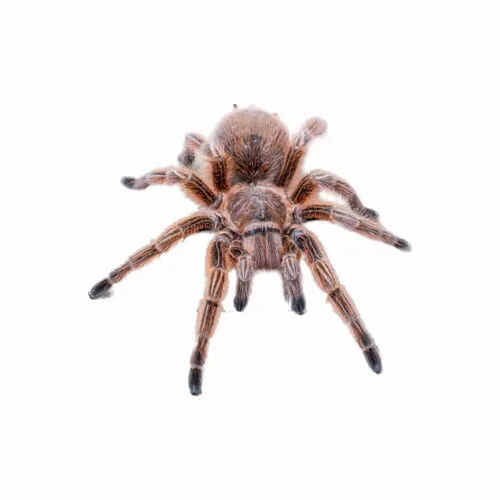
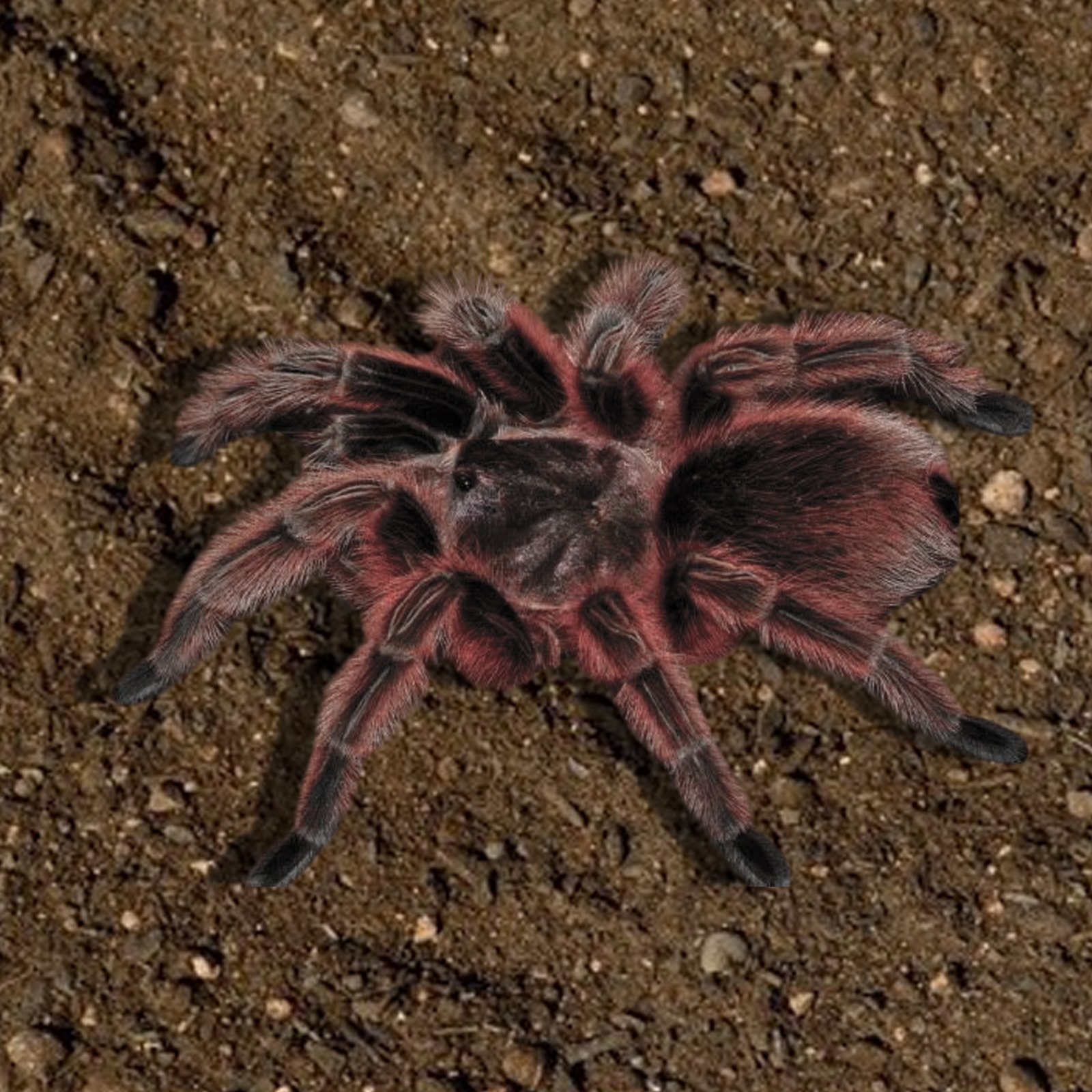

Grammostola rosea “Red”
55,00€
Discover the Grammostola rosea “Red”, a fascinating tarantula with a calm temperament and captivating beauty. Ideal for beginners, it is hardy and easy to care for. Its striking red coloration makes it unique. Add it to your collection and admire its natural elegance!
Technical Data Sheet: Grammostola rosea “Red”
Common Name: Chilean Red Tarantula
Scientific Name: Grammostola rosea “Red”
Family: Theraphosidae
Origin: Chile, Argentina, and Bolivia
Description
The Grammostola rosea “Red” is a variant of the Chilean tarantula, distinguished by its more intense red coloration compared to the classic form. Its body is covered in fine hairs ranging from red to brown and orange tones. It is a robust and long-lived species, reaching a leg span of 12 to 15 cm.
Behavior
A terrestrial tarantula with a calm and relatively docile temperament, though it can occasionally display aggression. It is not very active and can go for long periods without eating. It rarely uses its urticating hairs and prefers passive intimidation when threatened.
Terrarium Requirements
-
Size: Minimum 30x30x30 cm
-
Substrate: Peat, coconut fiber, or moss (5-10 cm deep)
-
Humidity: 50-70%
-
Temperature: 22-26°C
-
Decoration: Branches, hiding spots, and artificial plants
-
Lighting: No special lighting required
Diet
It feeds on live insects such as crickets, cockroaches, locusts, and occasionally pinky mice for adults. Feeding frequency depends on age:
-
Juveniles: 2-3 times per week
-
Adults: Once a week or every 10-15 days
Reproduction
Mating should be done with caution due to the risk of cannibalism. The female can lay between 100 and 500 eggs, which hatch after 6 to 8 weeks.
Toxicity
Its venom is of low danger to humans, comparable to a bee sting. However, allergic reactions may occur in sensitive individuals.
Notes
-
Avoid frequent handling to reduce stress.
-
It can go for long periods without eating without health risks.
-
Ideal for beginners due to its resilience and low maintenance.
| Options | Female 2 – 2.5 cm |
|---|
Related products
Caribena versicolor
there is stock
Discover the charming Caribbean versicolor tarantula for your terrarium. With its beautiful coloration, it is a perfect addition for any spider fan. We recommend having previous experience with tarantulas or arachnids in general. Bring beauty and fascination to your space with this captivating species.
Silkworm (Bombyx mori)
Sold out
Explore the life of the silkworm! From their breeding as live food for your exotic pets to their educational role, discover the fascinating metamorphosis of these incredible insects. 🐛
Cubaris panda king
there is stock
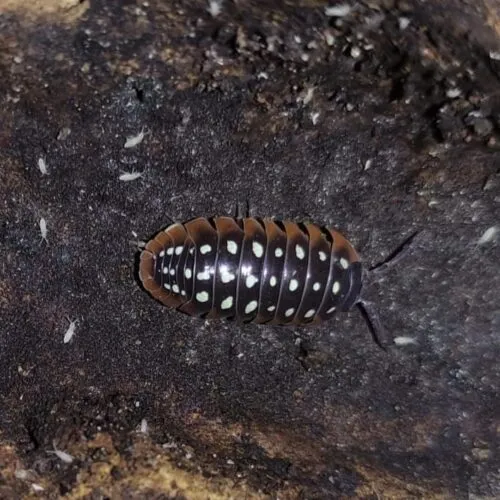
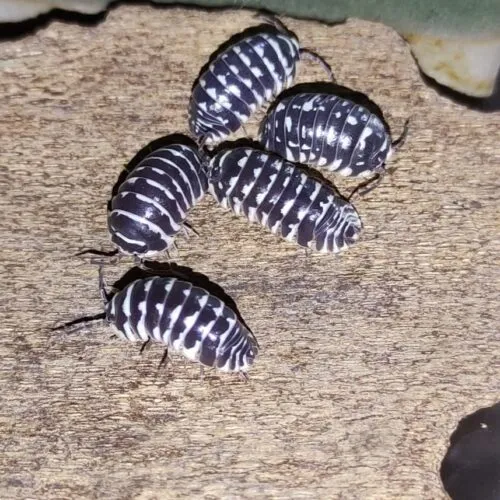
Discover the fascinating life in miniature with the Cubaris Panda King: small guardians of ecological balance for your terrarium. Bring your habitat to life with these adorable and beneficial companions!
Gromphadorhina portentosa
there is stock
Discover the fascinating Madagascar hissing cockroach! Perfect as an exotic pet or for research projects. Its peculiarity and ease of care make it a unique choice. Dare to explore the world of these incredible creatures!
Lucihormetica verrucosa
there is stock
Discover Lucihormetica verrucosa! Unique cockroach with green bioluminescence and warty exoskeleton. Perfect for studios or hobbyists.
Trichorhina tomentosa
Sold out
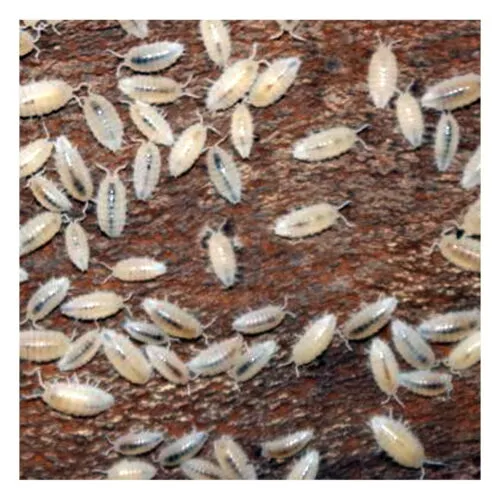
Discover Trichorhina tomentosa (dwarf mealybug), a live food for small animals such as reptiles or microfauna in bioactive terrariums. It is a food very rich in calcium. Also for ants and insects in general.
* The value (ml) is the total of the tub with the cochineal + substrate.
Springtails (Tropical white)
there is stock
Tropical white springtails are perfect for bioactive terrariums. They act as a natural clean-up crew, controlling mold and breaking down organic waste. Also ideal as live food for reptiles, amphibians, and arthropods. Easy to keep, fast breeding, and essential for a balanced ecosystem.
Stick insect (Medauroidea extradentata)
Sold out
Common name: Stick insect Scientific name: Medauroidea extradentata Taxonomic classification: Kingdom: Animalia Phylum: Arthropoda Class: Insecta Order: Phasmatodea Family: Phasmatidae