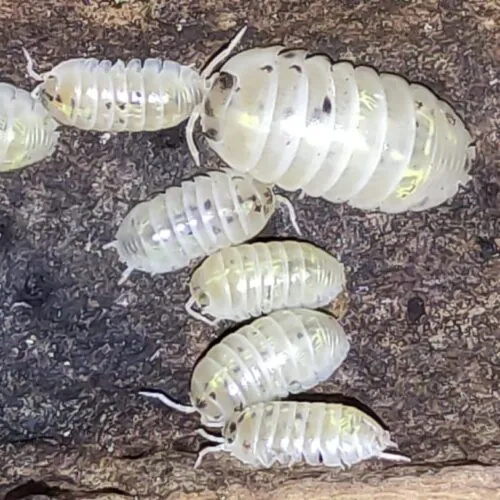
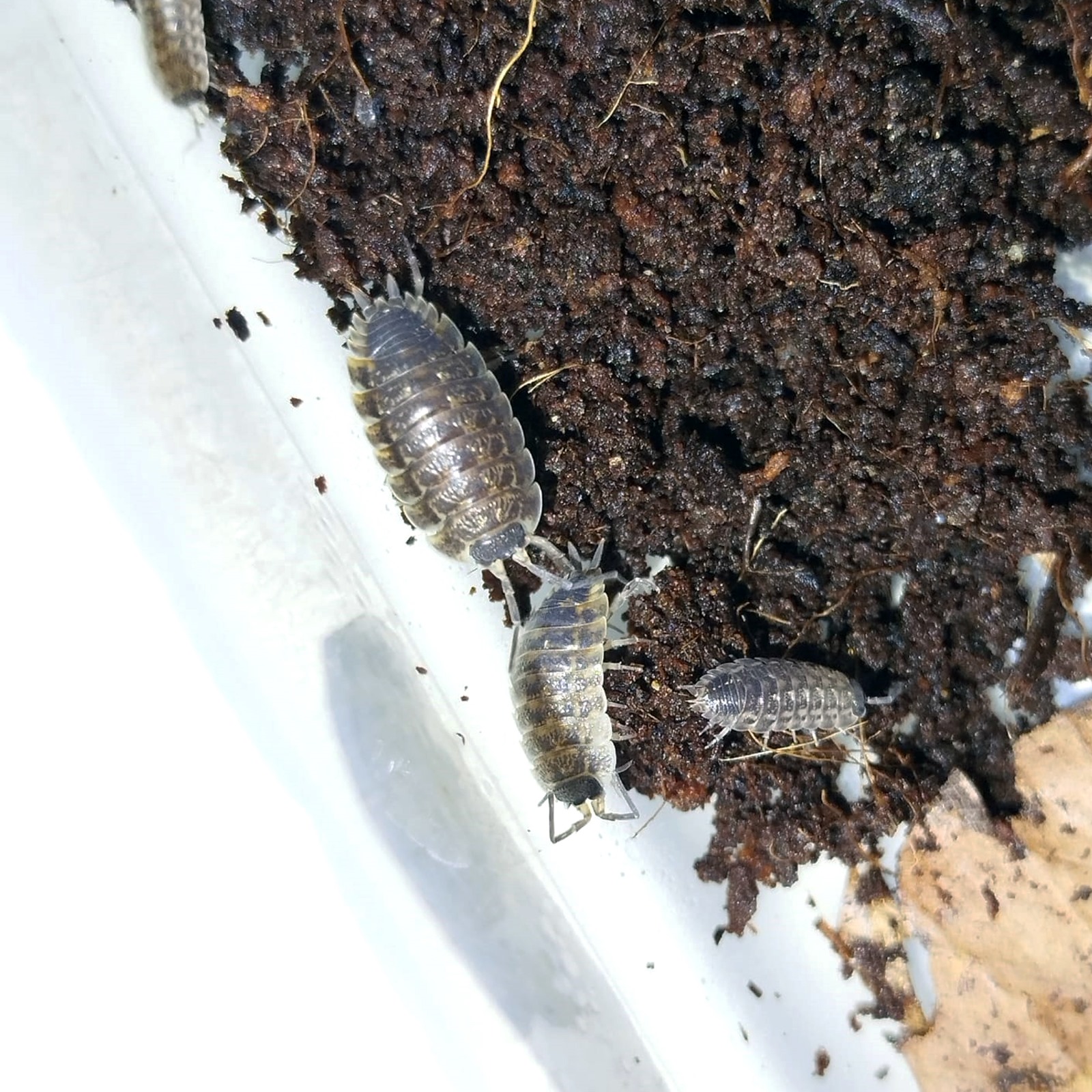
Porcellio spinicornis
Price range: 0,50€ through 4,00€
Introduce Porcellio spinicornis into your bioactive terrarium. This terrestrial isopod is an effective natural recycler, ideal for breaking down organic matter and improving the quality of the substrate. Hardy and adaptable, it is key to maintaining a healthy and balanced environment.
Technical sheet of the isopod: Porcellio spinicornis
Scientific Name: Porcellio spinicornis
Taxonomic Classification:
- Kingdom: Animalia
- Phylum: Arthropoda
- Class: Malacostraca
- Order: Isopoda
- Family: Porcellionidae
- Genus: Porcellio
- Species: Porcellio spinicornis
Common Name: Terrestrial isopod, woodlouse, pill bug (although it doesn’t fully roll up).
General Description:
- Size: Between 10 and 15 mm in length.
- Color: Typically dark gray or brown in color, with possible greenish or yellowish hues.
- Body: The body is dorsoventrally flattened, composed of rigid, articulated segments, providing some flexibility.
- Antennae: Possesses two pairs of antennae. The second pair is long and oriented forward, while the first pair is much shorter.
- Particularity: The name spinicornis refers to the spiny projections found at the tips of its antennae.
Habitat:
- Distribution: Mainly distributed throughout Europe but has been introduced to other parts of the world.
- Environment: Inhabits humid areas such as forest floors, under rocks, logs, and leaf litter. It can colonize urban areas, living in gardens, basements, and other moist zones.
Feeding:
- Diet: Detritivore, feeding on decaying organic matter such as dead leaves, rotting wood, and other plant debris.
- Ecological Importance: Plays a crucial role in nutrient cycling by breaking down organic material in ecosystems.
Behavior:
- Activity: Primarily nocturnal, as it seeks shelter in dark, damp places during the day to avoid desiccation.
- Social Behavior: Lives in small colonies under suitable conditions. Prefers high-humidity areas to maintain body hydration.
Reproduction:
- Life Cycle: Females carry the eggs in a ventral chamber called a marsupium, where the embryos develop until hatching.
- Lifespan: Can live between 1 and 2 years, depending on environmental conditions.
Adaptations:
- Respiration: Has pseudotracheae on its abdominal surface that allow it to breathe, but it requires humid environments to keep these structures functional.
- Defenses: Though it doesn’t roll up entirely like some woodlice, it can hide in small crevices to avoid predators.
| Options | 1 unit, 10 units |
|---|
Related products
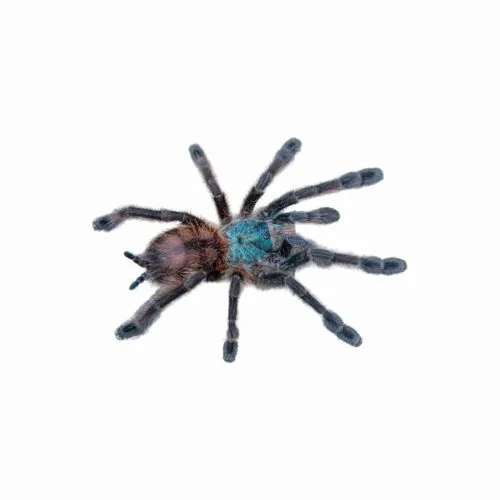
Caribena versicolor
Discover the charming Caribbean versicolor tarantula for your terrarium. With its beautiful coloration, it is a perfect addition for any spider fan. We recommend having previous experience with tarantulas or arachnids in general. Bring beauty and fascination to your space with this captivating species.