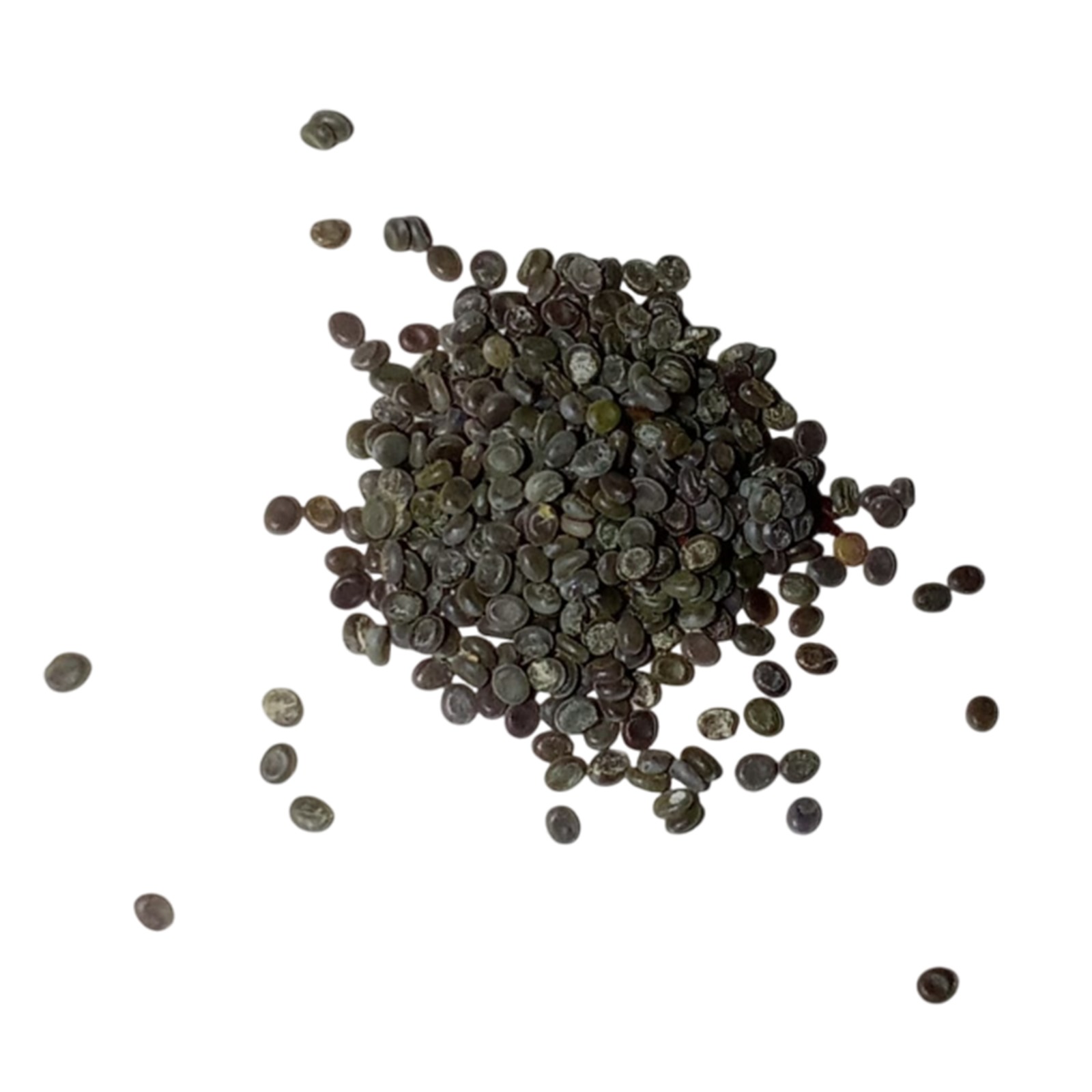
Silkworm Eggs
Price range: 2,50€ through 8,50€
Experience silkworm breeding from the very start! High-quality eggs, easy to incubate, perfect for education, live food, or silk production. Feed them fresh mulberry leaves and watch their incredible transformation!
Technical Data Sheet: Silkworm Eggs (Bombyx mori)
Common Name: Silkworm Eggs
Scientific Name: Bombyx mori (Mixed)
Description
Silkworm eggs (Bombyx mori) are the initial stage of this insect, bred for silk production or as live food for reptiles, amphibians, and arthropods. Easy to incubate, they hatch into caterpillars that feed exclusively on mulberry leaves.
Hatching Conditions
- Ideal Temperature: 23-27°C
- Relative Humidity: 75-85%
- Incubation Time: 10-14 days depending on environmental conditions
- Recommended Light Cycle: Natural or artificial light with a 12-hour cycle
Feeding After Hatching
Newly hatched silkworms must be fed exclusively with fresh mulberry leaves (Morus sp.). If fresh leaves are unavailable, artificial diets made from dried leaves and nutritional supplements can be used.
Applications
- Breeding for silk production
- Live food for reptiles and other animals
- Educational projects on the insect life cycle
Egg Storage
- To delay hatching, store in refrigeration at 5°C.
- Avoid excessive humidity and sudden temperature changes.
Remarks
- The quality of the silk produced may vary depending on the genetics of each individual.
| Options | 25 units, 100 units |
|---|
Related products
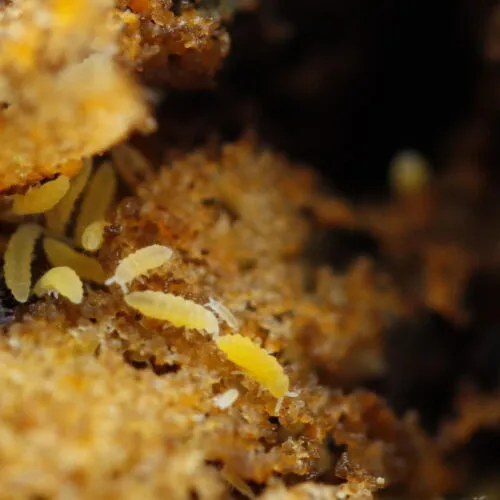
Ceratophysella sp. ‘Yellow Albino’ (springtail)
Springtails Ceratophysella sp. "Yellow Albino" are the perfect tiny allies to keep your terrarium clean 🌿. They act as a natural cleaning team, breaking down waste and maintaining the ecosystem's balance. Let your terrariums shine with life! 🐾
⚠️ Important: Springtails, small and earth-colored, can be hard to spot. Avoid rough handling to prevent harm.