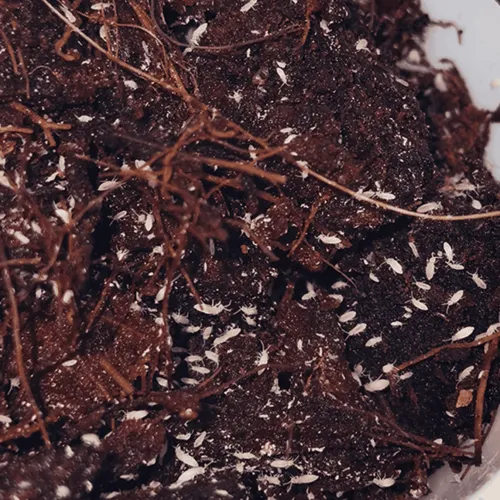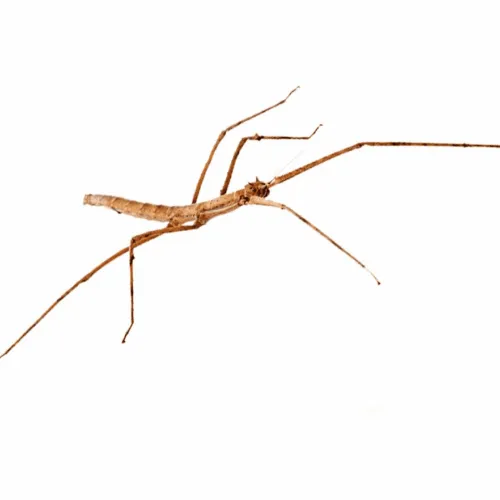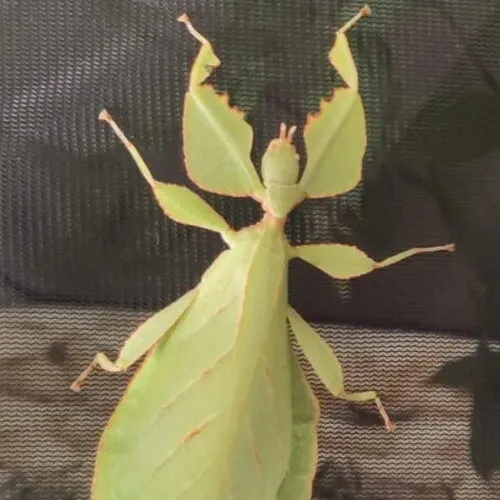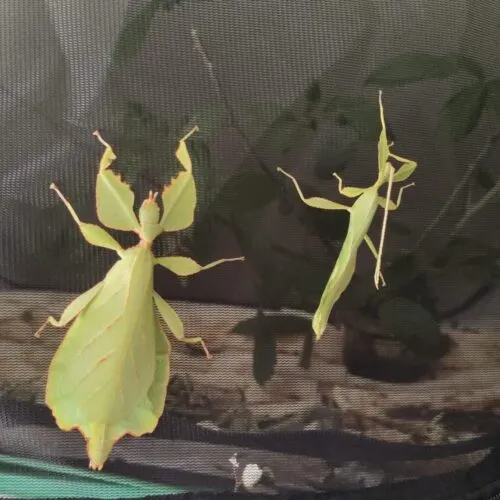

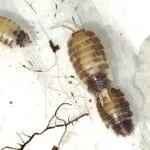
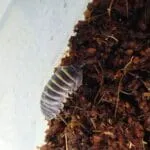
Trachelipus trilobatus
Price range: 3,00€ through 12,00€
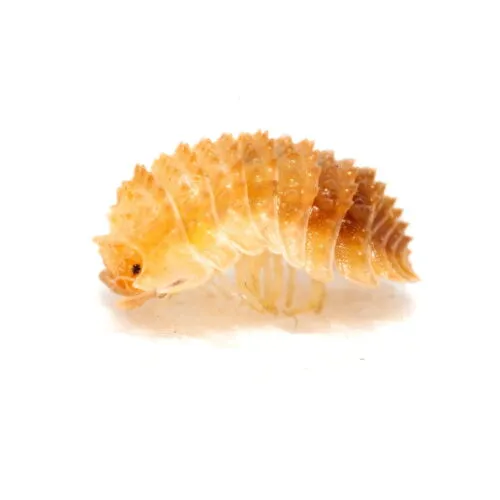
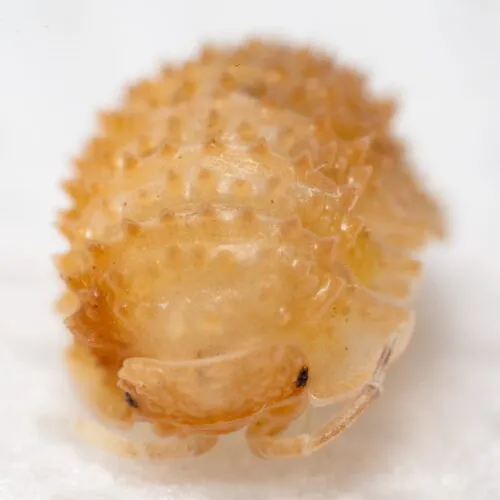
Discover the isopod Trachelipus trilobatus! 🪵🌿 Perfect for terrariums, this little cleaner feeds on organic matter, helps maintain the ecosystem, and adds a natural touch. Easy to care for, resilient, and ideal for beginners. 🐾✨
Technical Sheet: Isopod Trachelipus trilobatus
General Information
Common Name: No specific common name.
Scientific Name: Trachelipus trilobatus
Family: Trachelipodidae
Distribution: Native to Europe, but introduced to various regions worldwide due to its ability to adapt to different habitats.
Size: Between 10 and 15 mm in its adult stage.
Coloration: Generally dark gray or brown with mottled patterns that help it camouflage in its environment.
Characteristics
Morphology: It has an oval, segmented body with well-defined dorsal plates. Its distinctive feature is the trilobate shape of the posterior part of the body, which gives it its name.
Habitat: Prefers humid environments like soils rich in organic matter, forests, gardens, and protected urban areas. It is commonly found under stones, logs, and leaves.
Behavior: Primarily nocturnal and detritivorous, feeding on decomposing organic matter, which contributes to the health of the ecosystem.
Care in Captivity
Terrarium:
Size: Dependent on the number of individuals, but a minimum of 20 x 20 cm is recommended for small colonies.
Substrate: Moist and rich in organic matter, such as coconut fiber, sphagnum moss, and dry leaves.
Decoration: Add logs, stones, and shelters to simulate its natural environment.
Humidity: High, between 70% and 90%. It is essential to keep the substrate moist but not waterlogged.
Temperature: Ideal between 18°C and 24°C.
Feeding: Decomposing plant matter, dry leaves, pieces of rotting wood, and occasionally complementary foods like zucchini, carrot, or fruit peels.
Compatibility: Can coexist with other isopod species in mixed terrariums, as long as there is enough space and resources.
Reproduction
Life Cycle: They reproduce sexually. Females carry the eggs in their marsupium until the young hatch, ensuring a higher survival rate.
Young: When born, they are small and translucent, reaching maturity in a few months.
Advantages in Terrariums
- They act as part of the cleaning crew in the terrarium by breaking down organic waste.
- They are easy to maintain and perfect for enthusiasts of the arthropod world.
- Their resilience and adaptability make them an excellent choice for beginners.
| Options | 1 unit, 5 units |
|---|
Related products
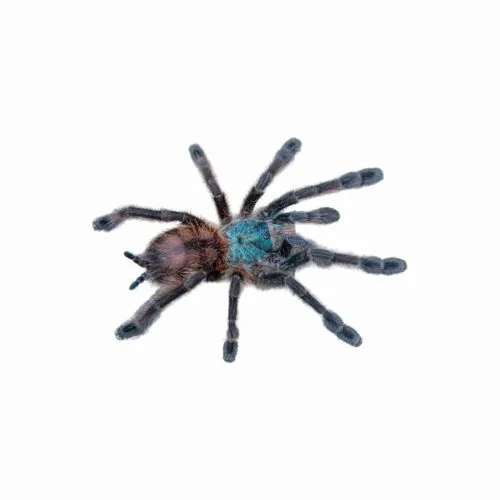
Caribena versicolor
Discover the charming Caribbean versicolor tarantula for your terrarium. With its beautiful coloration, it is a perfect addition for any spider fan. We recommend having previous experience with tarantulas or arachnids in general. Bring beauty and fascination to your space with this captivating species.