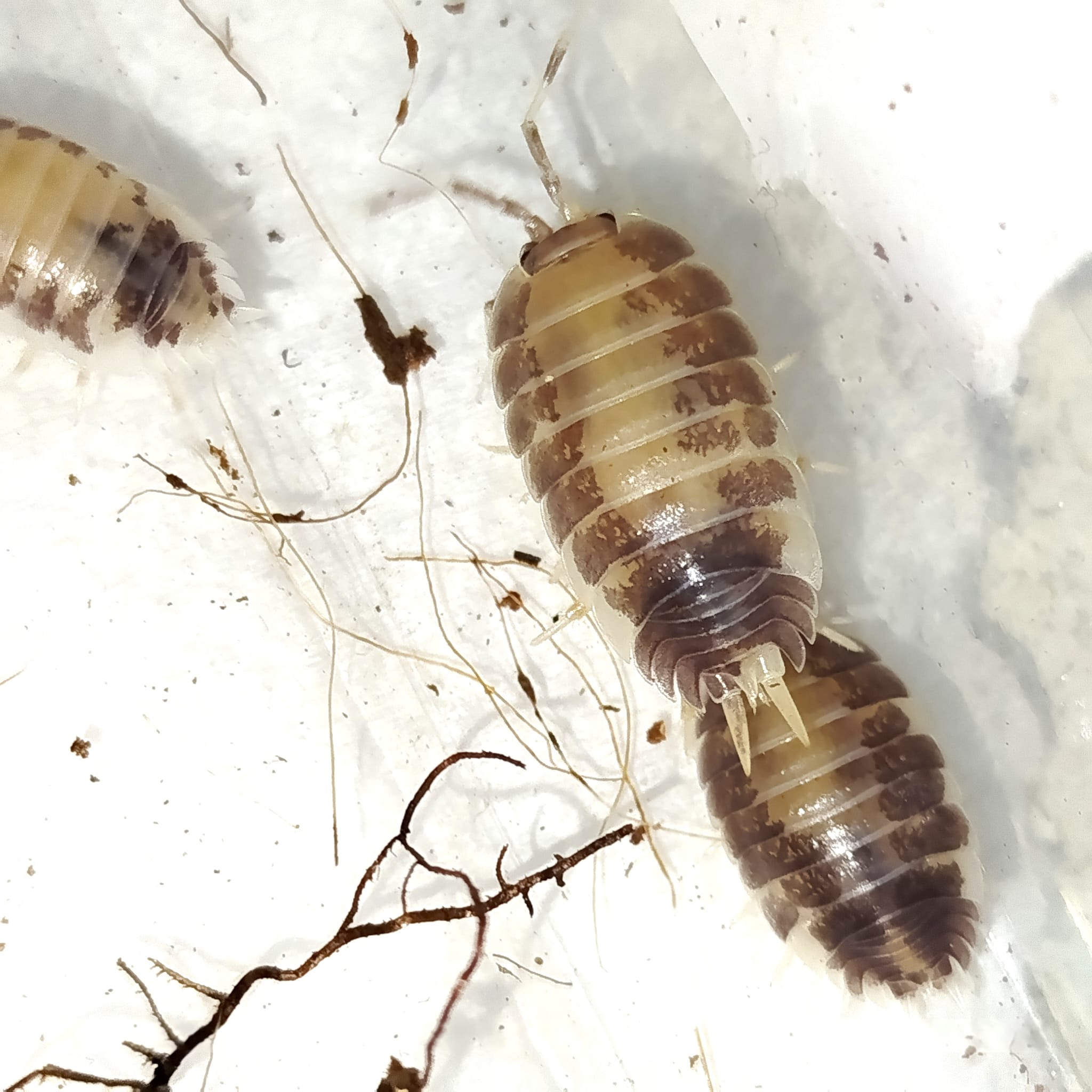
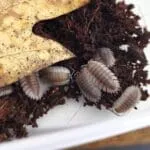
Porcellio laevis milkback
0,50€
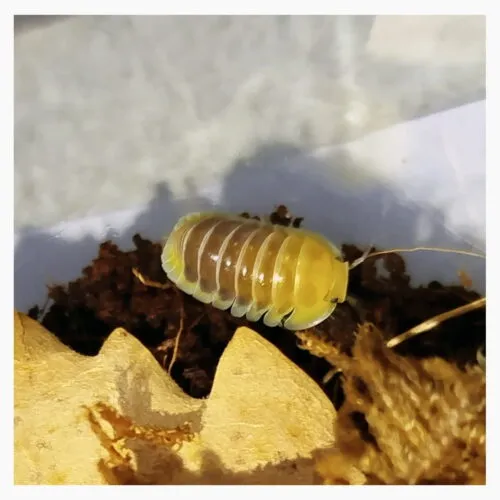
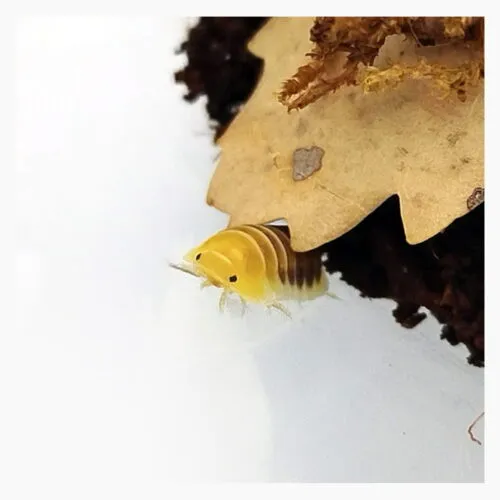
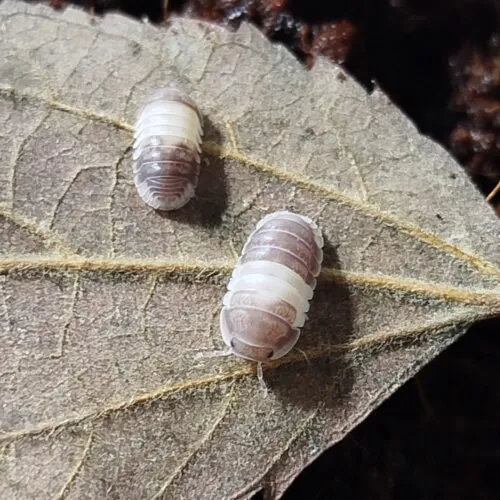
🌟 Meet the incredible Porcellio laevis “Milkback”! This isopod is not only resilient and easy to care for, but also stands out with its unique pattern. Perfect for bioactive terrariums 🐾, it helps keep everything clean while looking spectacular. Add it now! 🚀
Technical Sheet: Porcellio laevis “Milkback”
General Information
- Scientific name: Porcellio laevis
- Common name: Milkback
- Family: Porcellionidae
- Distribution: Cosmopolitan, found in various regions around the world due to its adaptability.
- Adult size: Approximately 1.5 – 2 cm.
Description
The Porcellio laevis “Milkback” is a variety distinguished by its unique dorsal pattern, combining light tones similar to milk color with darker areas.
Natural Habitat
This isopod inhabits humid environments such as forests, fields, and areas near water bodies. It is commonly found under rocks, logs, and leaf litter.
Maintenance Conditions
- Humidity: 60-80%. It is recommended to have a wetter zone and a slightly drier zone in the enclosure.
- Temperature: 20-25°C, although it tolerates slight variations.
- Substrate: A mix of coconut fiber, dry leaves, and decaying wood pieces.
- Decoration: Bark, sphagnum moss, and various hiding spots.
- Ventilation: Good ventilation to prevent fungal growth.
Feeding
Omnivorous. Its diet includes:
- Dry leaves (mainly oak or beech).
- Decaying wood.
- Fresh foods such as fruits and vegetables (cucumber, carrot, zucchini).
- Calcium supplement (cuttlefish bone or crushed eggshells).
Behavior
It is a peaceful and active species. It forms large groups and shows remarkable resilience, making it an ideal choice for beginners.
Reproduction
- Reproduction speed: High under suitable conditions.
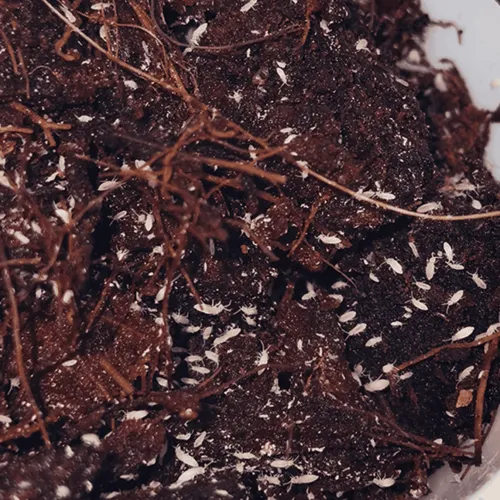
- Offspring: Females carry the eggs in a marsupium until they hatch. The offspring are small and translucent, growing progressively until they reach adult size.
Interesting Facts
- They are great recyclers of organic matter, contributing to the ecosystem’s balance in both their natural and artificial habitats.
- The “Milkback” coloration is a genetic trait that makes them especially valued among isopod breeders.
Use in Terrariums
Ideal for tropical or bioactive terrariums, where they help decompose organic matter and keep the ecosystem clean.
| Options | 1 unit |
|---|
Related products