
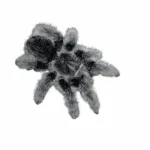
Poecilotheria regalis
Price range: 45,00€ through 48,00€
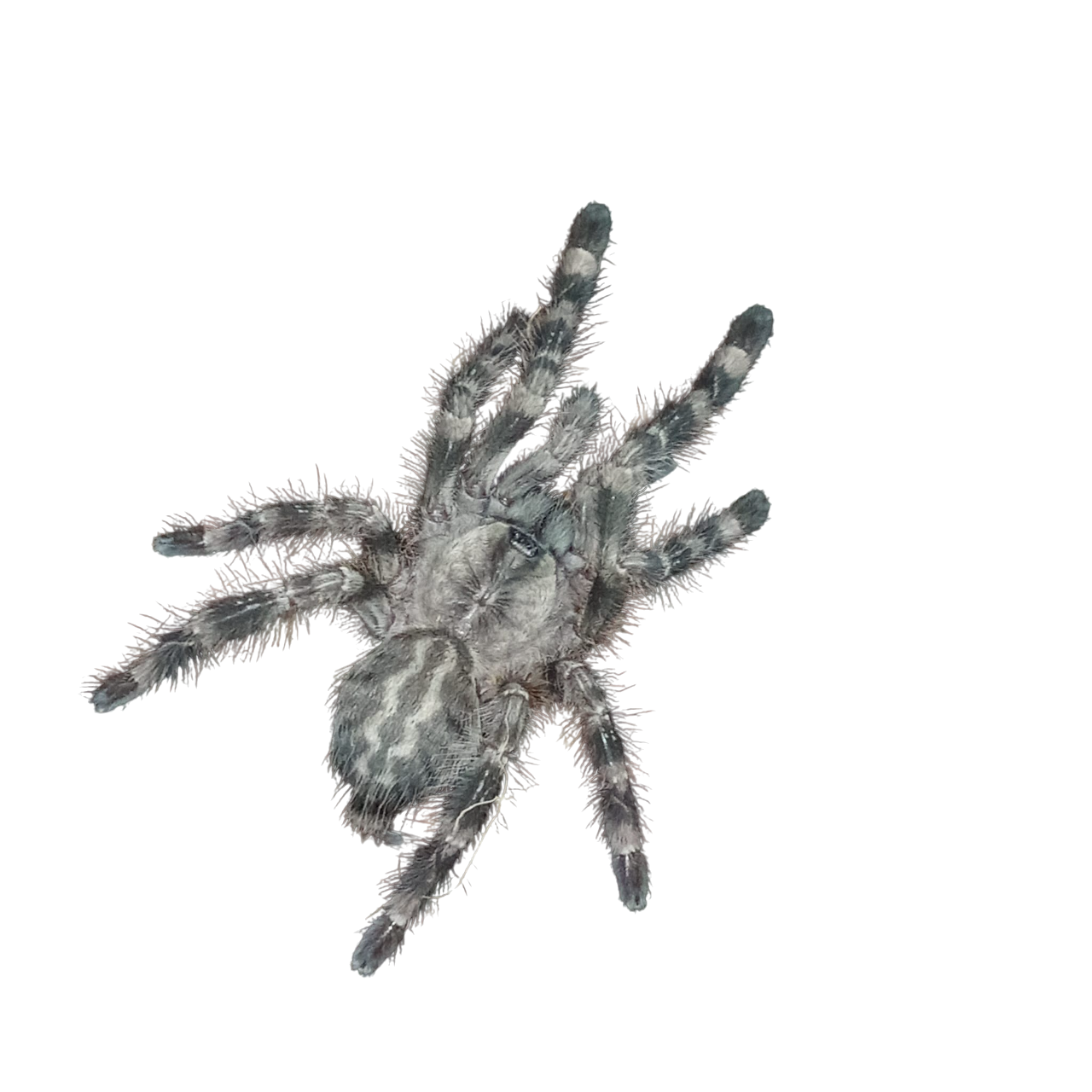
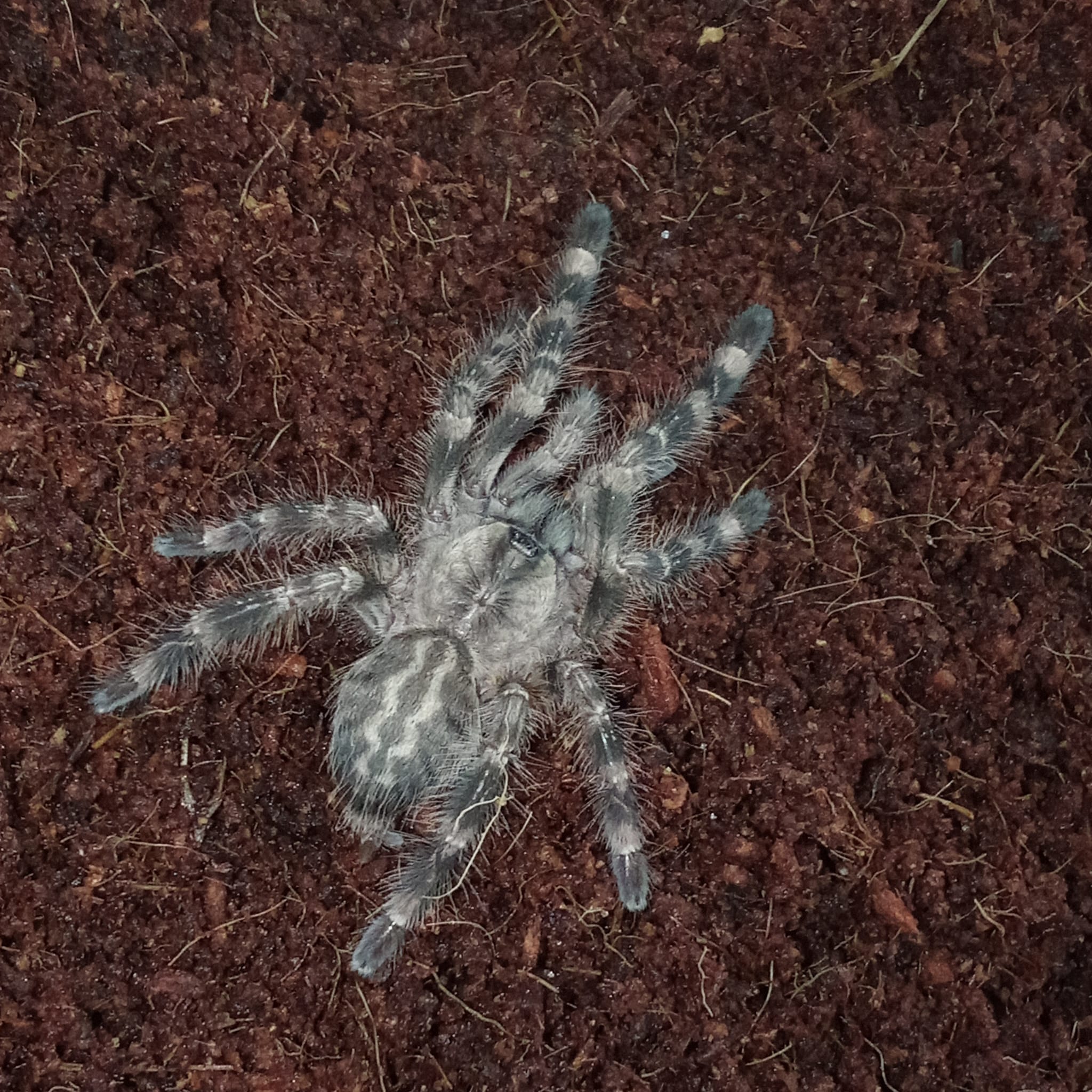
Discover the stunning Poecilotheria regalis! 🕷️ With its striking black and white pattern, this arboreal tarantula is a gem for advanced terrariums. Perfect for those seeking an exotic and fascinating species. Don’t miss yours! 🌿
Technical Data Sheet – Poecilotheria regalis
Scientific Name: Poecilotheria regalis
Family: Theraphosidae
Origin: Sri Lanka, mainly in tropical forests
Size:
- Body: 6-8 cm
- Leg Span: 15-20 cm (depending on sex and age)
Physical Characteristics:
- Coloration:
- Dark body with a striking variety of colors. The legs have a pattern of white and black bands, giving it a distinctive appearance.
- The abdomen segments are usually darker, with a slight purplish or brownish hue.
- Venom:
- Moderate to strong. While not lethal to humans, its venom can cause intense pain, swelling, and discomfort.
- Caution is advised when handling.
Behavior:
- Temperament:
- Quite defensive and aggressive compared to other species. It can become territorial if threatened.
- Prefers not to be handled and may adopt a defensive posture or bite if cornered.
- Activity:
- Crepuscular and nocturnal, preferring darkness for hunting and exploration.
Habitat:
- In the Wild:
- Lives in trees and shrubs of Sri Lanka’s tropical and mountainous forests, where it builds nests in tree hollows and bark.
- In Captivity:
- A vertical terrarium with adequate height is recommended to mimic its natural habitat.
- Temperature: 24-28°C (ideally around 26°C).
- Humidity: 70-80%. It is essential to maintain a humid but well-ventilated environment.
Diet:
- Feeding:
- Carnivorous, mainly preying on insects such as crickets, cockroaches, and occasionally small mice.
- In captivity, a varied diet of live insects is crucial for its health.
Reproduction:
- Sexual Maturity:
- Males reach sexual maturity between 2 and 3 years, while females take slightly longer.
- Reproduction:
- After courtship, females lay an egg sac containing between 50 and 200 offspring. The young remain inside the sac for several weeks before emerging.
Captivity Requirements:
- Terrarium Size:
- A minimum terrarium size of 30x30x40 cm is recommended for an adult, with sufficient climbing and hiding spaces.
- A layer of substrate should be provided for burrowing.
- Decoration:
- Branches, bark, and other climbing elements.
- A hideout or shelter is essential for its well-being.
Additional Considerations:
- Handling:
- Although fascinating to observe, Poecilotheria regalis is not recommended for beginners due to its defensive and aggressive nature.
- Lifespan:
- On average, they live between 10 and 15 years in captivity, with females outliving males.
| Options | 4-5 cm body length (unsexed), Female 5-6 cm |
|---|
Related products
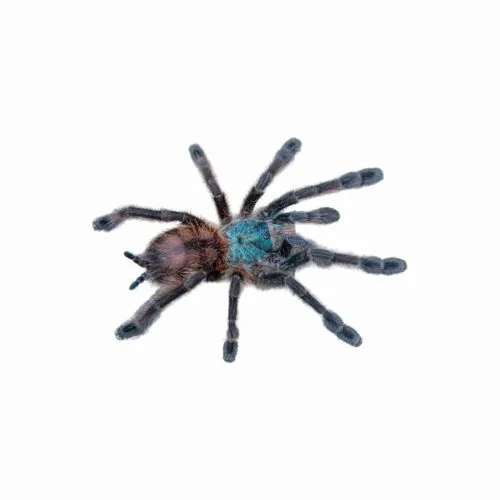
Caribena versicolor
Discover the charming Caribbean versicolor tarantula for your terrarium. With its beautiful coloration, it is a perfect addition for any spider fan. We recommend having previous experience with tarantulas or arachnids in general. Bring beauty and fascination to your space with this captivating species.