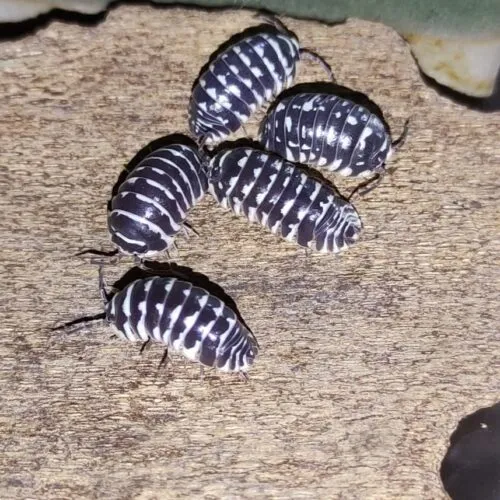
Porcellio Scaber “Lava”
1,50€
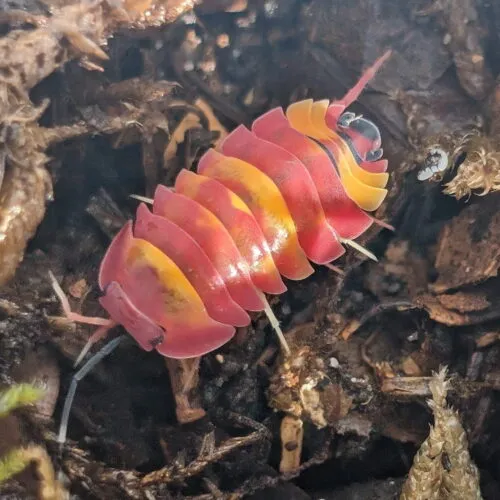
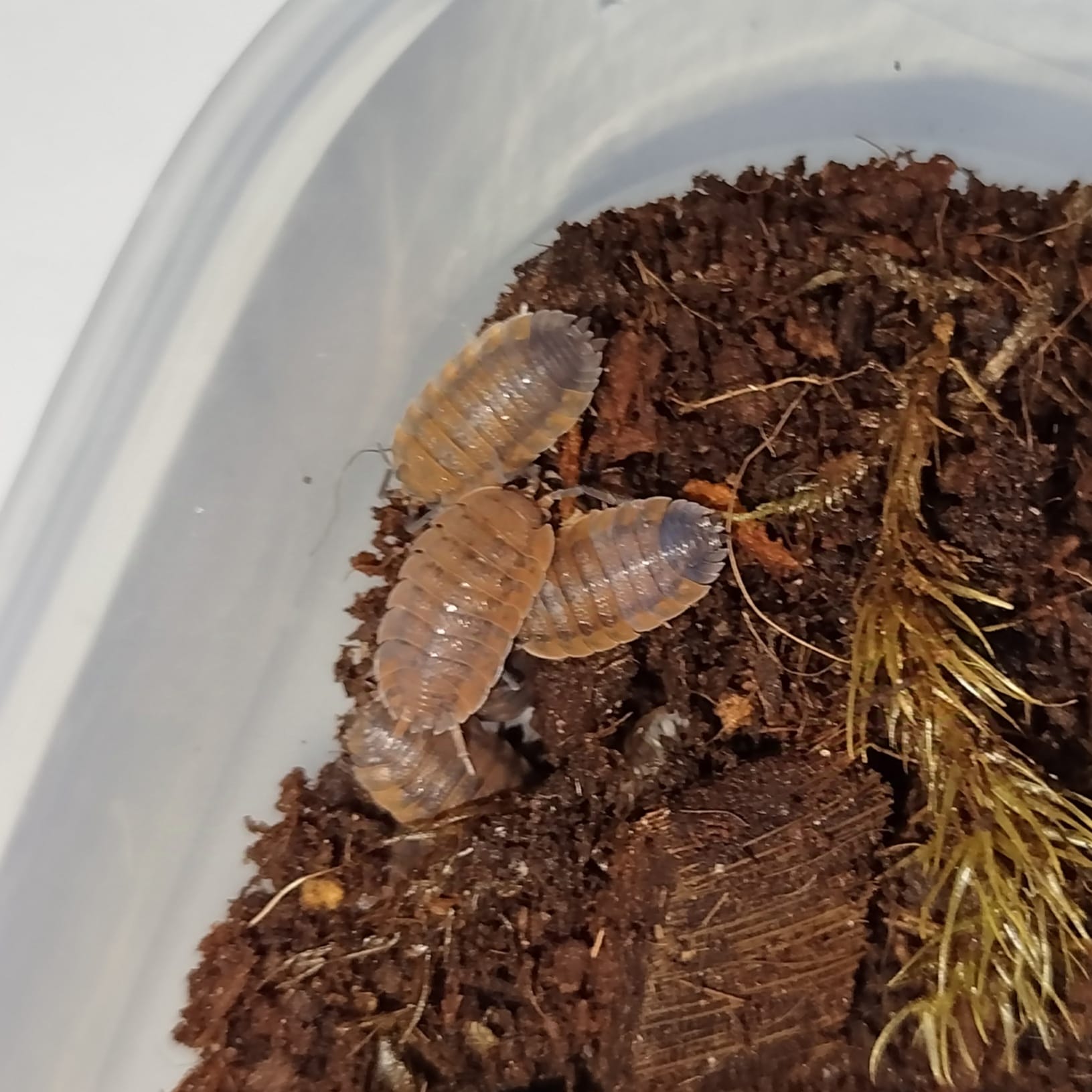
Discover the Porcellio scaber “Lava,” a unique isopod with its striking reddish color adorned with black or gray spots. Perfect for terrariums, it helps decompose organic matter and maintain a healthy substrate. Ideal for both beginners and experts in terrarium keeping!
Technical Sheet for the Isopod Porcellio scaber “Lava”
Scientific Name: Porcellio scaber
Common Name: “Lava” Isopod
Family: Porcellionidae
Origin: Europe
Description:
The Porcellio scaber “Lava” is a striking color variant of the common isopod, characterized by a reddish base with black spots or gray areas, resembling the appearance of solidified volcanic lava. Its body is oval and segmented, with a rugged carapace. These isopods typically measure between 1.2 cm and 2 cm in adulthood.
Natural Habitat:
They are found in humid and dark environments, such as under stones, logs, and leaf litter. They prefer areas with high humidity and moderate temperatures, similar to forested and damp regions.
Terrarium Conditions:
- Temperature: 18-24°C
- Humidity: 70-90%
- Substrate: Ideally a mix of coconut fiber, leaf litter, and decaying wood.
- Decoration: Logs, bark, and dry leaves are recommended to replicate their natural habitat and provide hiding spots.
Diet:
The Porcellio scaber “Lava” is a detritivore that feeds on:
- Decomposing plant material
- Dry leaves
- Tree bark
- Calcium supplements (such as crushed eggshells) to maintain a strong exoskeleton.
Reproduction:
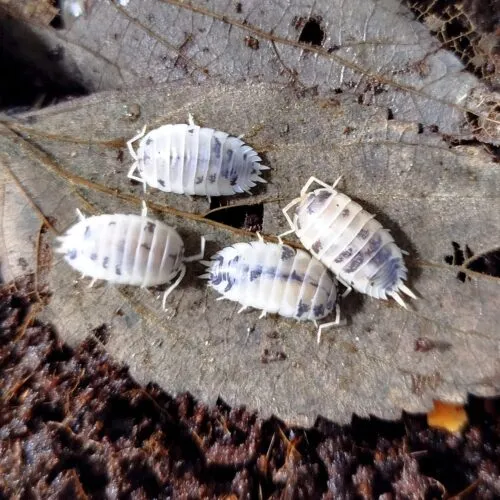
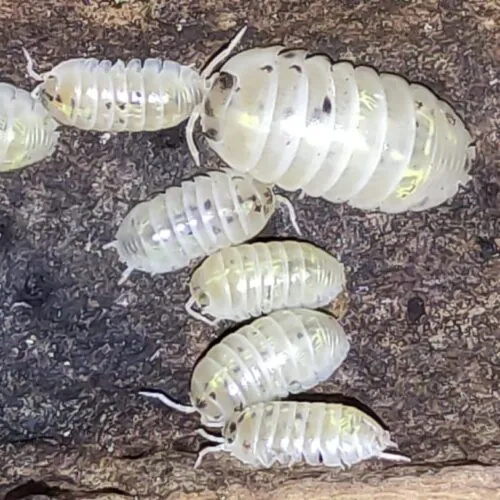
Females carry eggs in a ventral pouch, from which fully formed young emerge after several weeks. The young are born white and gradually acquire the characteristic reddish and black pattern as they grow.
Behavior:
These isopods are nocturnal, being most active during the night. During the day, they tend to hide under structures like leaves or logs. They are peaceful and easy to maintain, making them ideal for both beginners and experienced keepers in terrariums and paludariums.
Advantages in Terrariums:
- They contribute to the decomposition of organic matter.
- Help keep the substrate aerated and healthy.
- Their attractive color pattern adds visual interest.
The Porcellio scaber “Lava” is an excellent choice for anyone looking for a resilient and visually appealing isopod for their terrariums.
| Options | 1 unit |
|---|
Related products
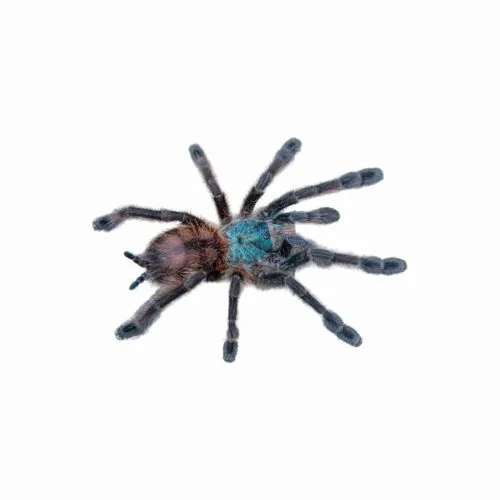
Caribena versicolor
Discover the charming Caribbean versicolor tarantula for your terrarium. With its beautiful coloration, it is a perfect addition for any spider fan. We recommend having previous experience with tarantulas or arachnids in general. Bring beauty and fascination to your space with this captivating species.