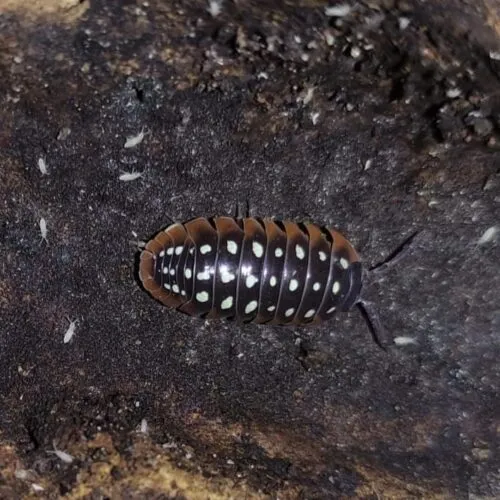
Armadillidium tuberculatus
Price range: 5,50€ through 25,00€
Cubaris sp. 'Amber Firefly'
Price range: 20,00€ through 90,00€
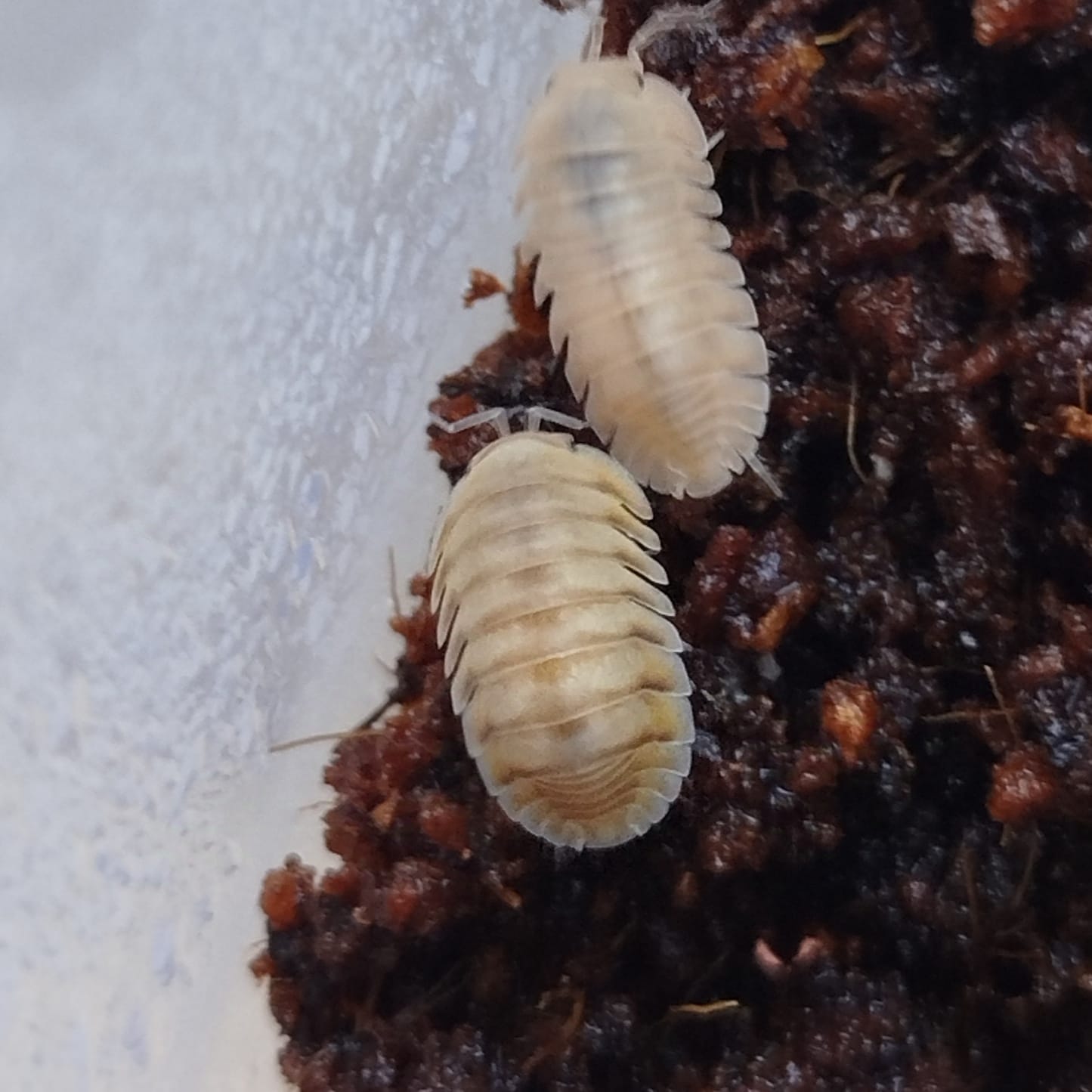
Cubaris sp. ‘Caramel Cream’
Price range: 6,00€ through 25,00€
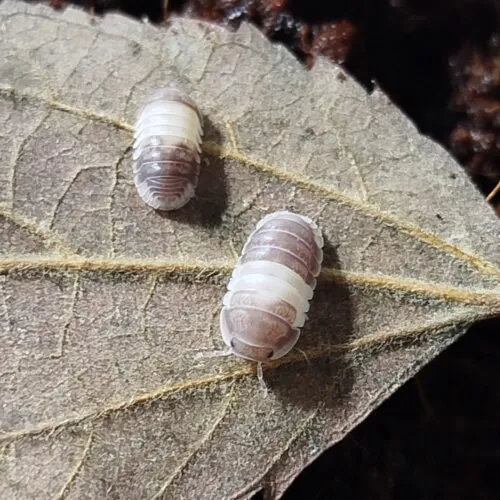
Meet the Cubaris sp. ‘Caramel Cream’! 🌟 This charming isopod, with its unique caramel color, is perfect for your terrarium. 🏞️ Easy to care for and super calm, they are ideal for maintaining a clean and aesthetically amazing ecosystem! 🌿
Description
Technical Sheet: Cubaris sp. ‘Caramel Cream’
Common Name: Cubaris sp. ‘Caramel Cream’
Scientific Name: Cubaris sp. ‘Caramel Cream’
Family: Armadillidiidae
Origin: Tropical Asia (specifically from areas of Malaysia)
Adult Size: 2-3 cm
Coloration: Its name comes from its characteristic color, a mix of creamy and caramel tones, with a soft and attractive appearance. The coloration may slightly vary depending on the environment and diet.
Characteristics:
- Body Shape: Cubaris sp. have a capsule-shaped body with segmented armor that rolls up when they feel threatened, a common feature of isopods in the Armadillidiidae family.
- Behavior: They are calm and active at night. They prefer humid and warm environments and are known for being less aggressive compared to other isopods.
- Reproduction: They are viviparous, meaning that the young are born alive rather than hatching from eggs. The juveniles are initially transparent and gradually acquire the characteristic coloration over time.
Habitat and care:
- Terrarium: They need an environment with sufficient humidity (around 60-80%) and moderate temperatures between 22-28°C. It is important to provide an adequate substrate like leaf litter or coconut fiber mix that retains moisture.
- Food: They are detritivores, feeding mainly on decaying organic matter such as dry leaves, wood, and other plant debris. They also accept calcium-rich foods, such as crushed eggshells, to ensure good health.
- Water Conditions: The water should be of good quality (non-chlorinated water) and should always be available in a small dish or container.
Benefits and uses:
- Organic Waste Control: They help break down decaying organic matter, contributing to the cleanliness and balance of ecosystems in terrariums and paludariums.
- Aesthetic Appeal: Their unique color and calm behavior make them a popular species among isopod enthusiasts.
- Non-toxic: They pose no danger to other animals in terrariums or plants.
Additional notes:
- Compatibility: They are a relatively peaceful species that can coexist with other isopod species or small invertebrates without causing conflicts.
- Lifespan: Under optimal conditions, they can live between 2 and 3 years.
Additional information
| Options | 1 unit, 5 units |
|---|