Sold out
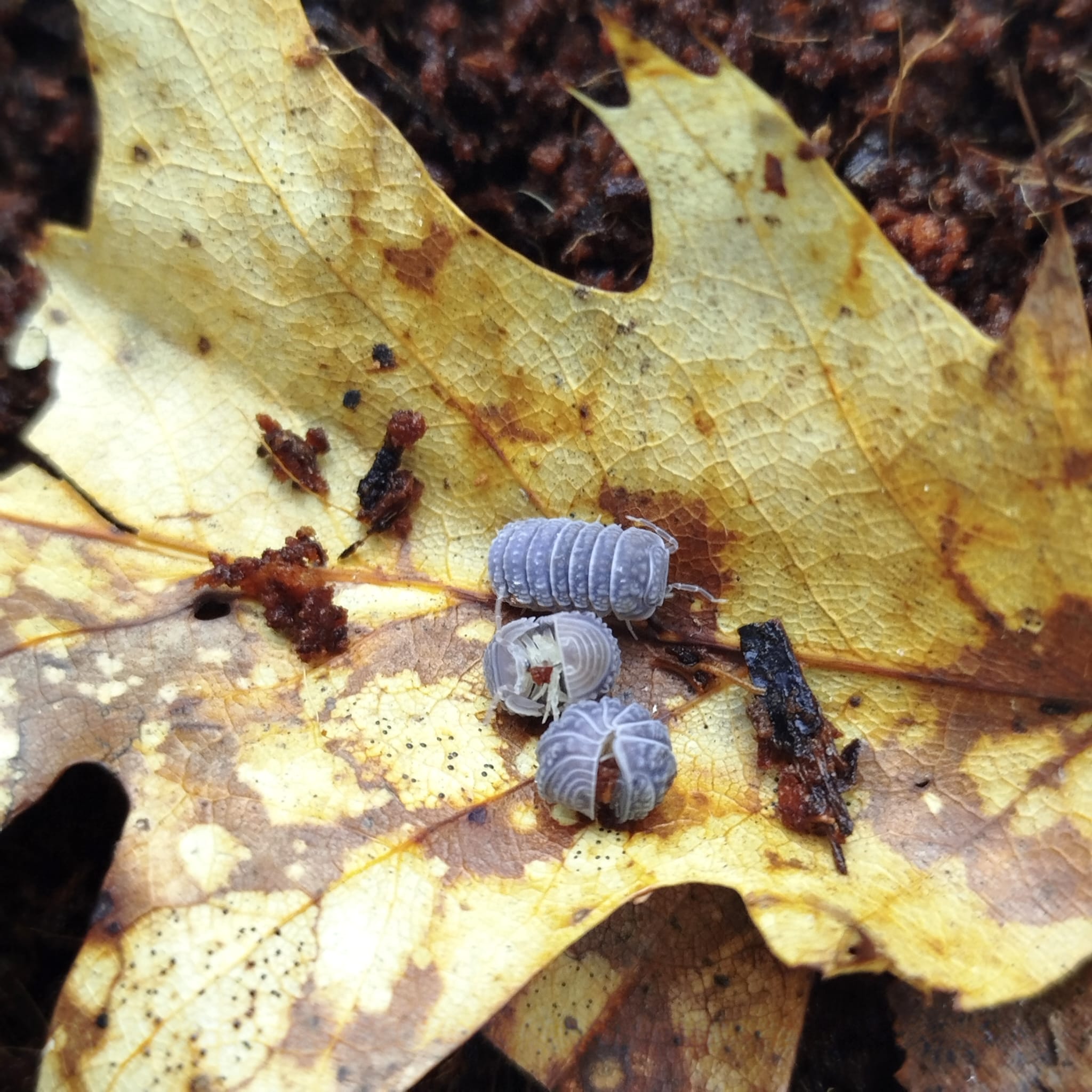
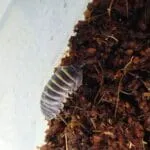
Armadillidium badium Casteldaccia
Price range: 2,00€ through 8,00€
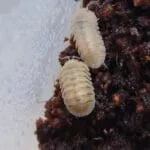
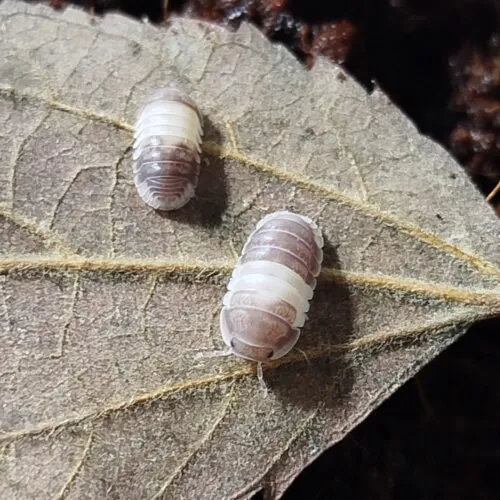
Cubaris sp. 'Caramel Cream'
Price range: 6,00€ through 25,00€
Armadillidium tuberculatus
Price range: 5,50€ through 25,00€
Armadillidium tuberculatus is an ideal isopod for your terrarium. It takes care of decomposing organic matter, keeping the substrate clean and healthy. Perfect for those looking for a natural and easy-to-care-for companion in their ecosystem. 🌿🪲
Description
Technical Sheet: Armadillidium tuberculatus
Common Name: Armadillo Isopod
Scientific Name: Armadillidium tuberculatus
Family: Armadillidiidae
Origin: Mediterranean, primarily in rocky and humid areas of Europe and parts of North Africa.
Characteristics:
- Size: Adults grow to about 1.5 to 2 cm in length.
- Color: Varying color shades from brown to gray with dark markings or lines on the exoskeleton, giving it a rough appearance.
- Shape: Oval-shaped and laterally compressed body, with a segmented armor that allows it to roll into a ball when threatened.
- Behavior: Nocturnal and terrestrial, preferring humid, dark environments.
Habitat:
- Prefers humid environments with high relative humidity, typically found in soils rich in organic matter such as decomposing leaves, rotting wood, and under stones.
- Commonly found in terrariums with damp substrate and moderate temperature.
Diet:
- Feeds primarily on decomposing organic matter, such as dry leaves, wood, plant debris, and some small animal remains.
- They are detritivores, playing an important role in the decomposition of organic matter.
Care in captivity:
- Temperature: They prefer temperatures between 18-24°C.
- Humidity: High humidity is essential, so it’s recommended to keep the substrate moist but not soaked. A humid and ventilated environment is crucial.
- Substrate: A substrate of coconut fiber, peat, or potting soil mixed with dry leaves provides a suitable environment.
- Hiding Spots: Provide elements like bark, stones, or pieces of wood to help them feel safe and hidden.
- Light: They prefer dark environments and do not need direct light.
Reproduction:
- Armadillidium tuberculatus is ovoviviparous, meaning females incubate the eggs inside their body until the young is ready to be born. The offspring are released fully formed, although small in size.
Advantages in terrariums:
- Natural decomposers: They are excellent for recycling organic matter in terrariums and paludariums, helping to keep the substrate clean.
- Easy to care for: They require minimal care and can coexist with a wide variety of species in a terrarium.
Compatibility with other animals:
- Generally compatible with other invertebrates and species of reptiles or amphibians, as long as the humidity conditions are suitable.
Additional information
| Options | 1 unit, 5 units |
|---|