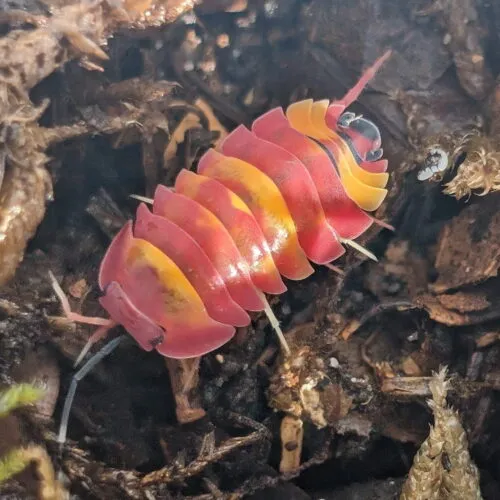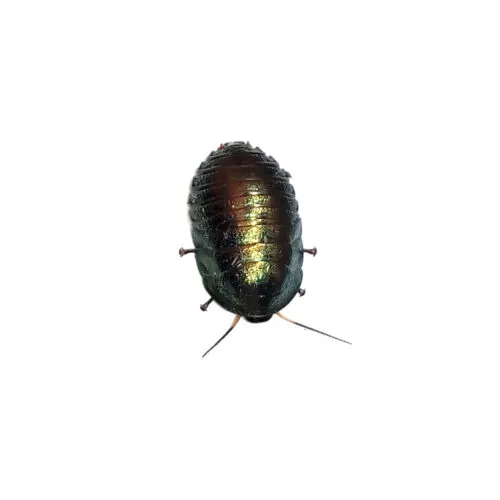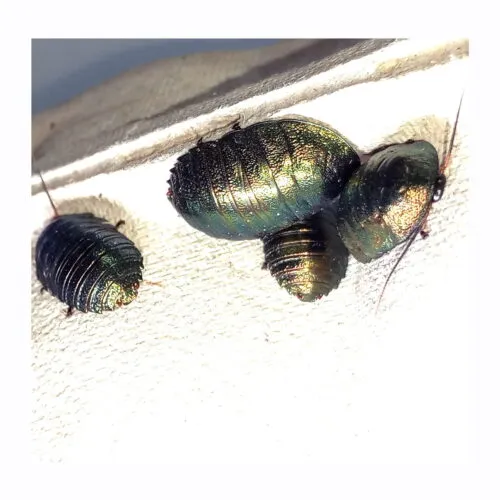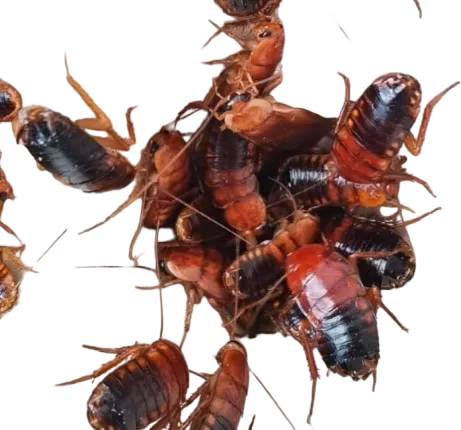
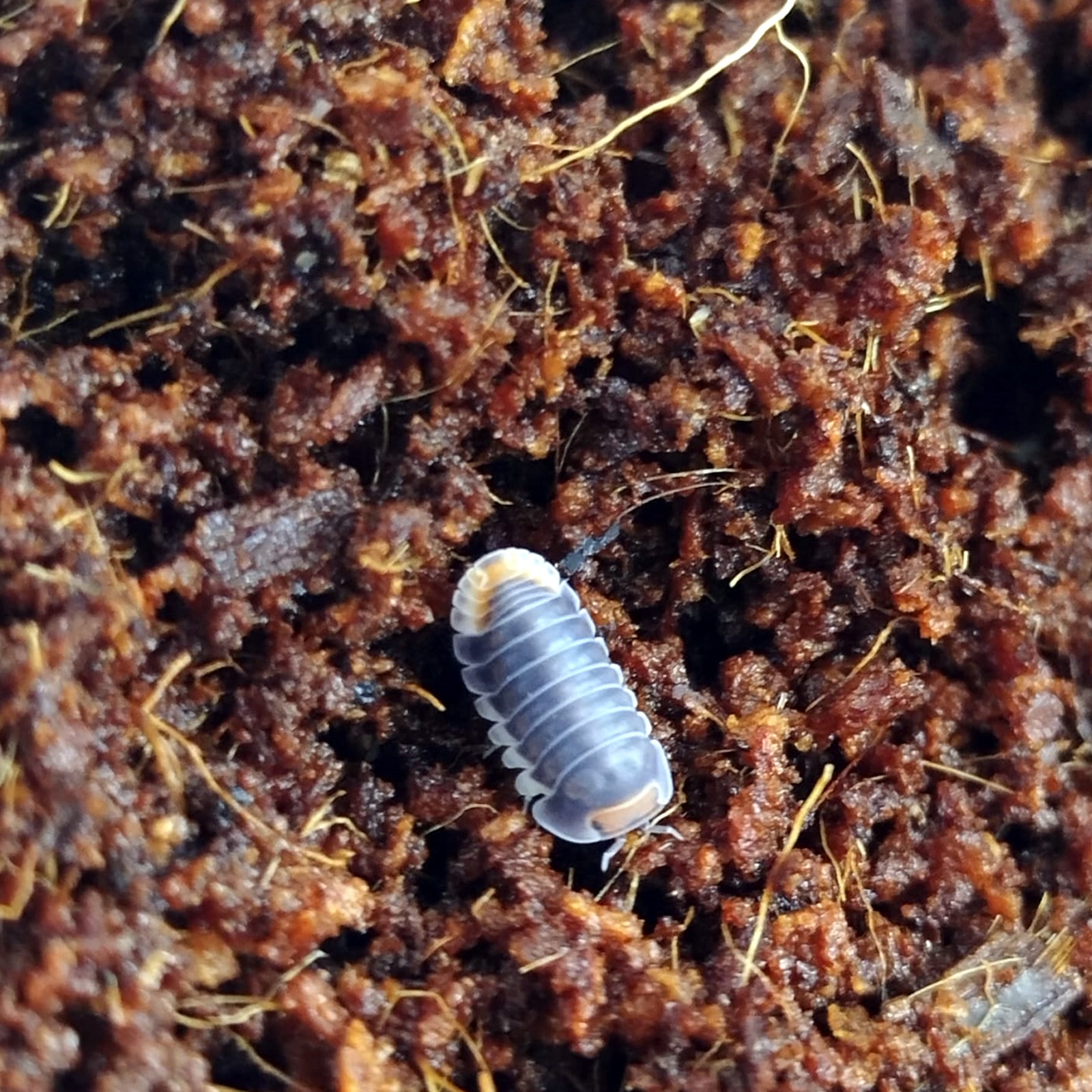
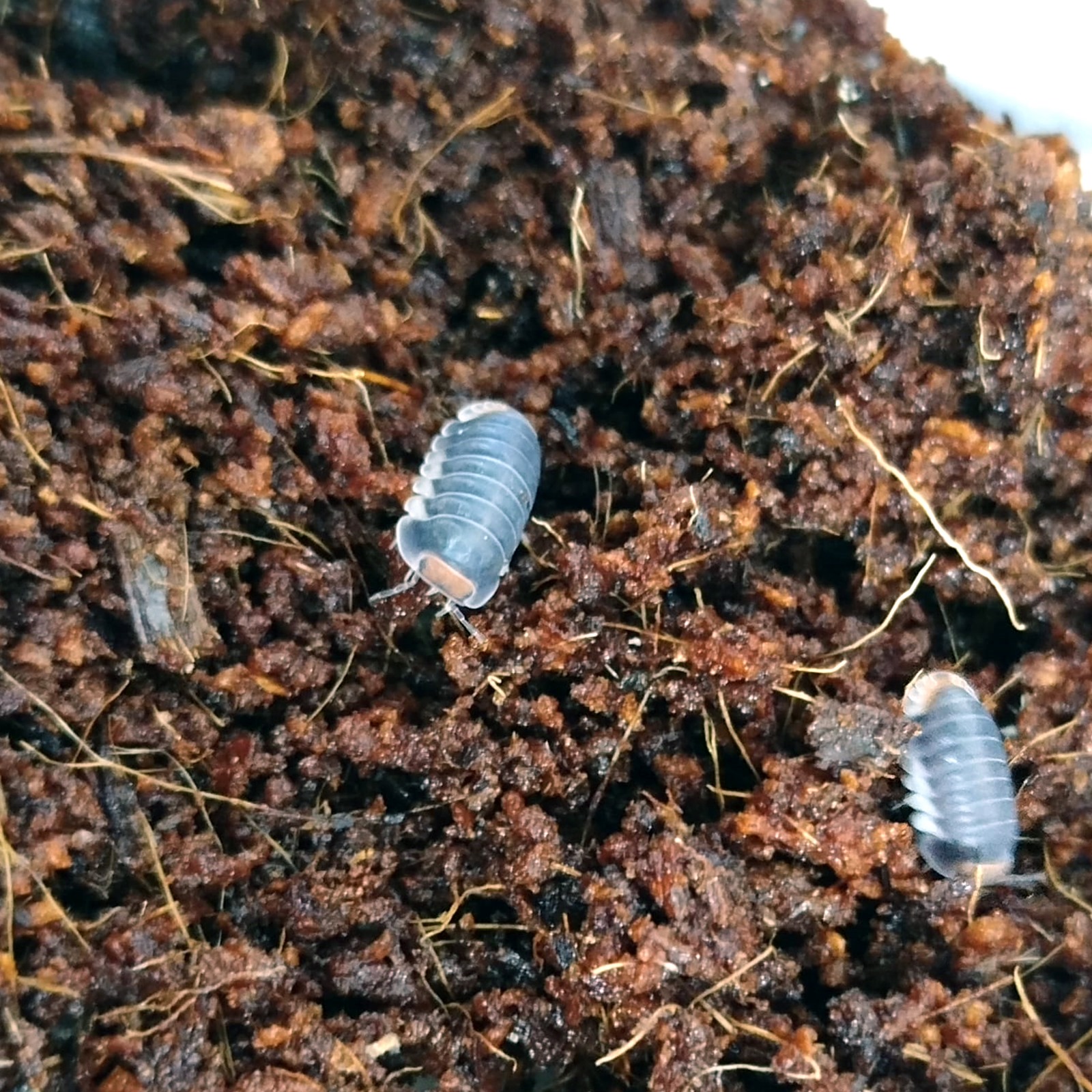
Cubaris sp. “Pak Chong”
Price range: 12,00€ through 100,00€
The Cubaris Pak Chong 🌿 is an exotic isopod from Thailand, perfect for tropical terrariums. Its unique design and easy care make it ideal for enthusiasts. High humidity, natural substrate and varied diet. Add a special touch to your colony! ✨
Technical Data Sheet of the Isopod Cubaris sp. “Pak Chong”
Common Name: Pak Chong Isopod
Scientific Name: Cubaris sp. “Pak Chong”
Family: Armadillidae
Origin: Pak Chong, Thailand
Description
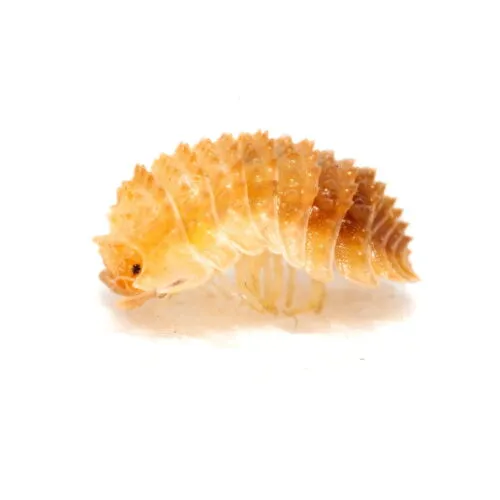
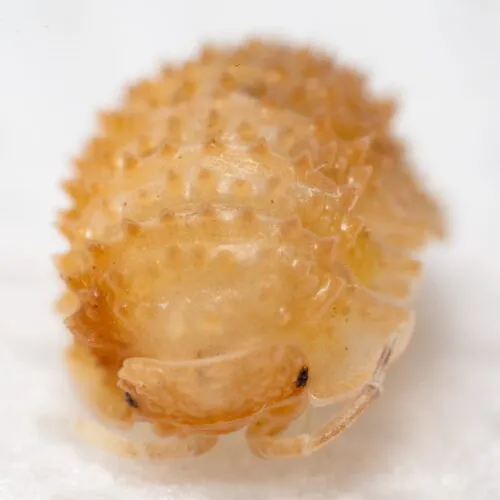
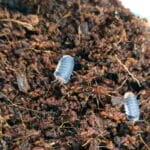
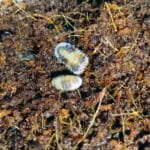
The Cubaris sp. “Pak Chong” is a small to medium-sized isopod with a rough-textured exoskeleton in shades of gray or brown, perfectly adapted for camouflage in its natural environment. Its robust appearance and ability to roll into a ball make it highly appealing to exotic isopod enthusiasts.
Size
- Adults: 1.5 cm to 2 cm in length.
- Juveniles: Approximately 0.5 cm.
Natural Habitat
- Climate: Tropical, with high humidity and warm temperatures.
- Substrate: Organic-rich soil, such as decaying leaves and wood.
- Humidity: Between 70% and 90%.
Captive Care Requirements
Recommended Terrarium:
- Ventilated container with a lid to maintain humidity.
- Minimum dimensions: 30x20x20 cm for a small colony.
Substrate:
- Mix of coconut fiber, dried leaves, sphagnum moss, and decaying wood.
Temperature:
- Ideal: 22-26°C (71.6-78.8°F).
- Minimum: 20°C (68°F).
- Maximum: 28°C (82.4°F).
Humidity:
- Keep the substrate consistently moist but not waterlogged. Spray regularly to maintain humidity levels.
Decoration:
- Add bark, logs, stones, and hiding spots to mimic their natural habitat.
Diet
Omnivorous. Their diet should include:
- Dried leaves (such as oak or beech).
- Fresh vegetables (zucchini, carrot, pumpkin).
- Protein supplements (fish flakes, shrimp pellets, or protein powder).
- Decaying wood and moss.
Supplements: Calcium (crushed eggshell or cuttlebone) to support exoskeleton development.
Reproduction
- Lifespan: 1 to 2 years under optimal conditions.
- Reproduction: Oviparous, with juveniles emerging fully formed.
- Breeding Rate: Slow, with a small number of offspring per generation.
Compatibility
It is recommended to keep them in species-specific colonies, as they are more sensitive to stress than other isopods and could be outcompeted by more active or aggressive species.
Interesting Facts
- Highly valued by collectors due to their slow growth and exclusivity.
- Named after the area where they were discovered, Pak Chong, Thailand.
| Options | 1 unit, 10 units |
|---|
Related products