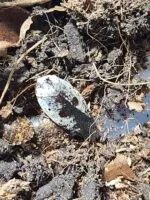
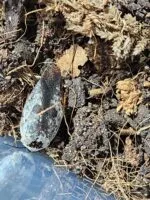
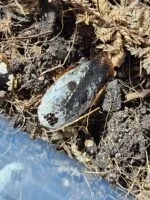

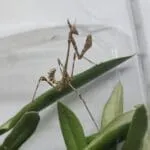
Gyna caffrorum
Price range: 2,00€ through 18,00€
The Gyna caffrorum or porcelain cockroach is perfect live food for reptiles, amphibians, insectivorous birds, and arthropods. Easy to breed and odor-free, it stands out for its striking colors and high nutritional value—ideal for terrariums and breeders looking for quality and visual appeal.
Technical Sheet – Gyna caffrorum
- Common name: Porcelain Cockroach / Chrome Cockroach / South African Cockroach
- Scientific name: Gyna caffrorum
- Origin: South Africa and other subtropical regions of Africa
- Adult size: 2.5 – 3.5 cm
- Coloration:
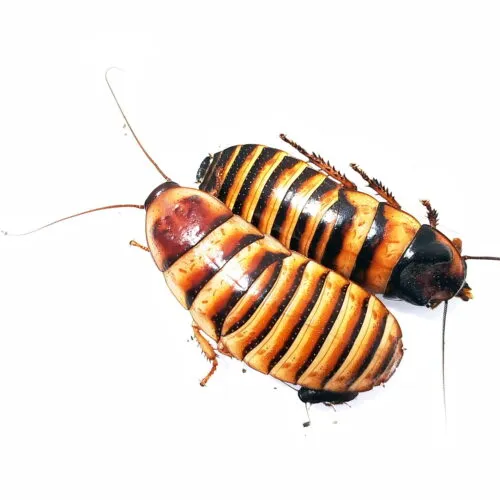
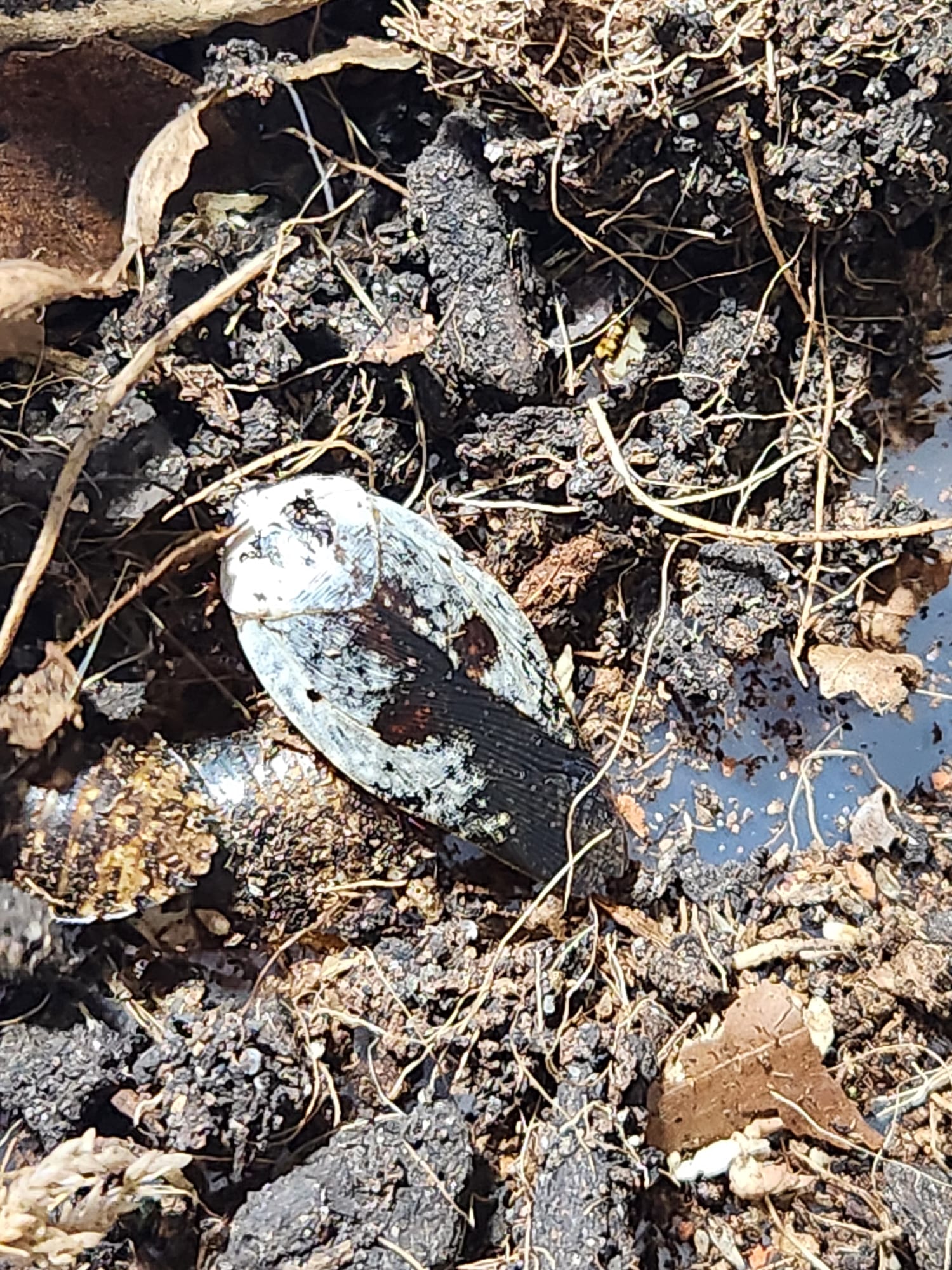
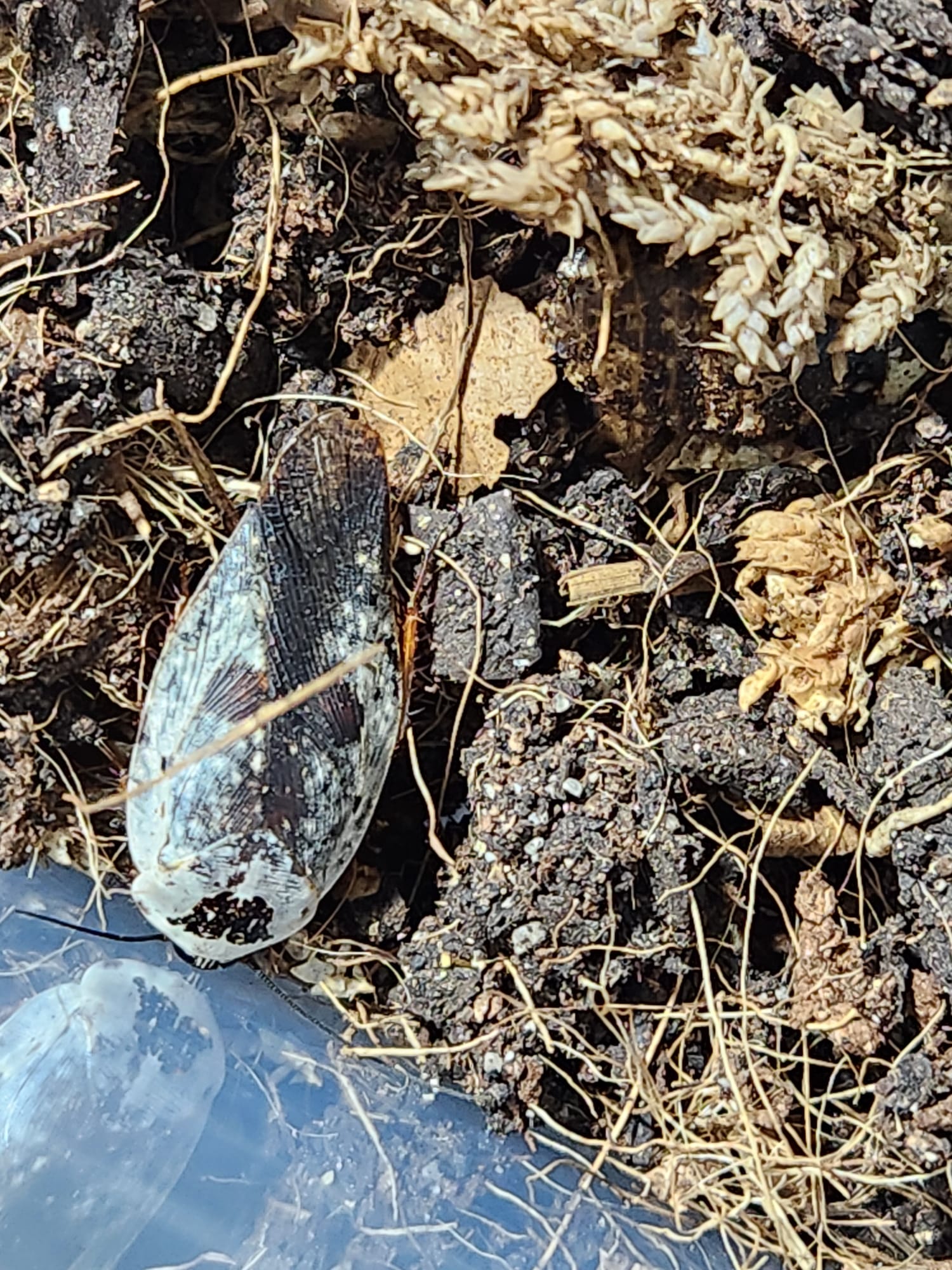
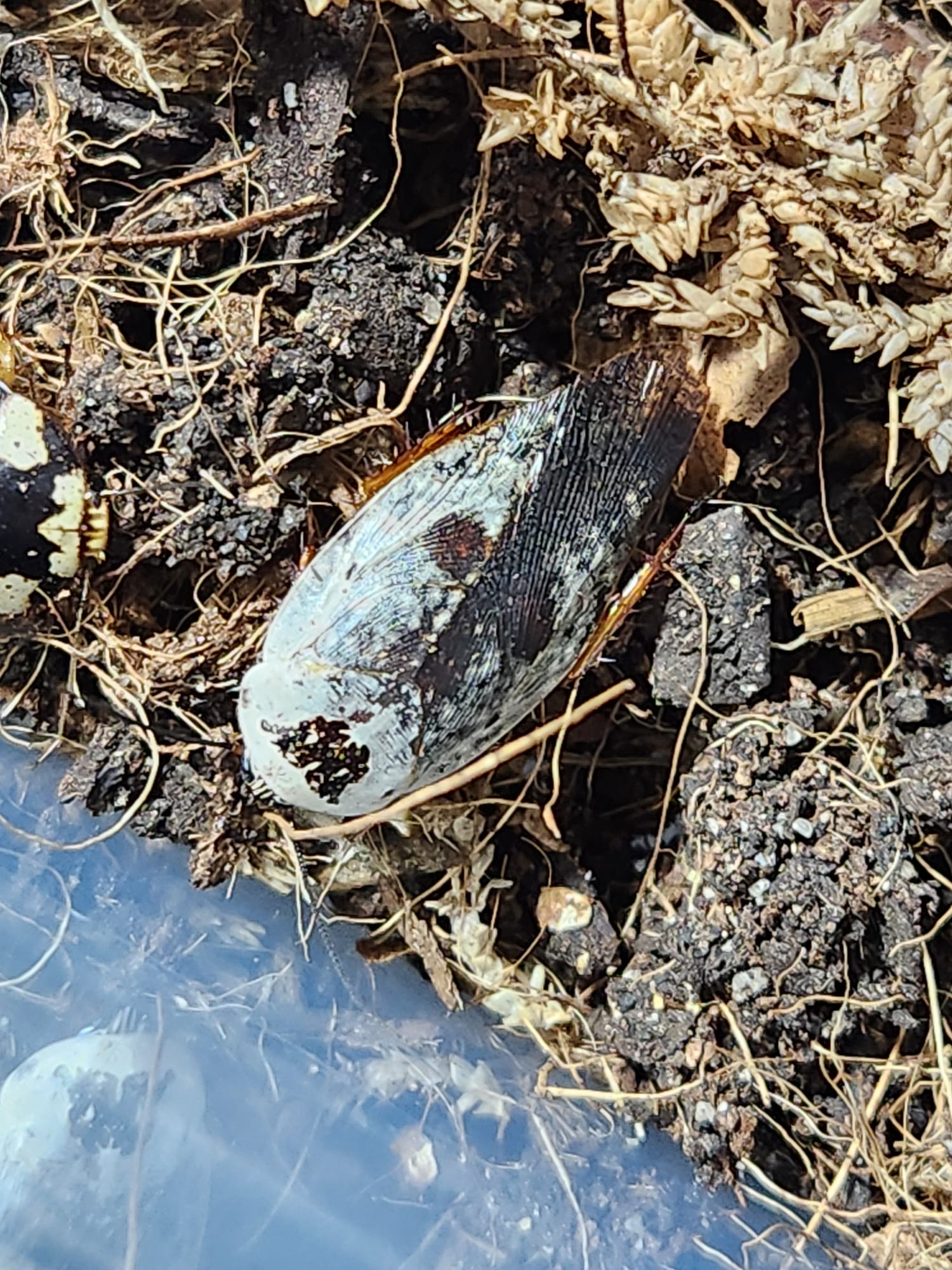
- Nymphs: striking black and white mottled pattern
- Young adults: blue-gray or silvery tones
- Mature adults: pale whitish or silver-gray with dark mottling and orange-toned legs
- Ideal temperature: 24 – 28 °C (75 – 82 °F)
- Humidity: 60 – 80%
- Diet: Omnivorous (fruits, vegetables, dry food, plant matter)
- Reproduction: Ovoviviparous (live young are born)
- Lifespan: 6 – 8 months
- Behavior: Does not climb smooth surfaces, rarely flies, calm temperament
- Breeding difficulty: Easy, suitable for beginners and breeders
Description and Uses
The Gyna caffrorum, also called the “porcelain” or “chrome” cockroach, is highly valued for its role as nutritious live food and its unique appearance for terrariums. Nymphs display a striking black and white pattern, while young adults shine with blue-gray or silvery hues. Mature adults take on a pale whitish or silver-gray tone with orange accents on their legs.
With its high protein content and soft texture, it’s perfect as food for reptiles, amphibians, insectivorous birds, and larger arthropods. Its size and easy digestibility make it suitable for both juveniles and adult animals.
In terrariums or bioactive setups, it also acts as a clean-up species, helping to consume leftover food and organic matter, contributing to a healthier habitat. It’s easy to breed, odor-free, and simple to handle, making it a popular choice for live food breeders and natural terrarium projects that seek both beauty and quality.
| Options | 1 unit, 10 units |
|---|
Related products
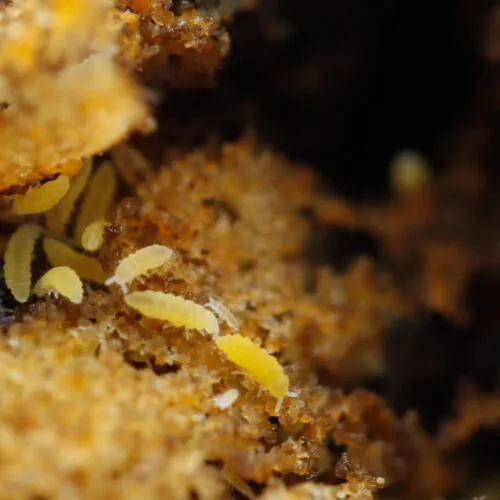
Ceratophysella sp. ‘Yellow Albino’ (springtail)
Springtails Ceratophysella sp. "Yellow Albino" are the perfect tiny allies to keep your terrarium clean 🌿. They act as a natural cleaning team, breaking down waste and maintaining the ecosystem's balance. Let your terrariums shine with life! 🐾
⚠️ Important: Springtails, small and earth-colored, can be hard to spot. Avoid rough handling to prevent harm.