
Cubaris sp. “Panda King Tapir”
8,00€
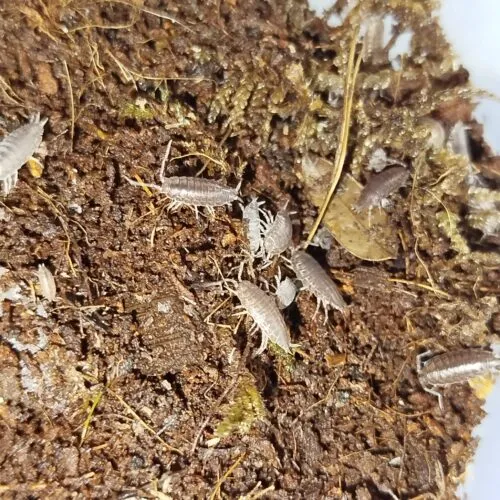
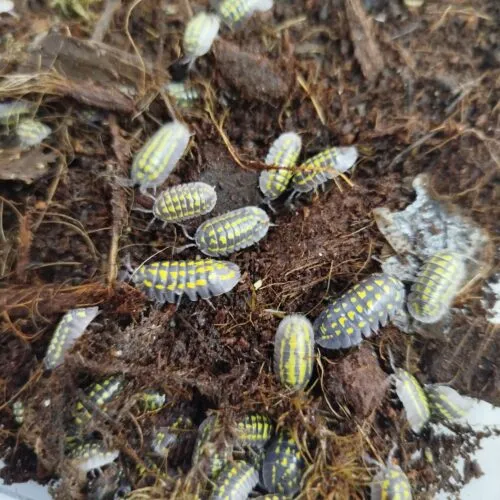
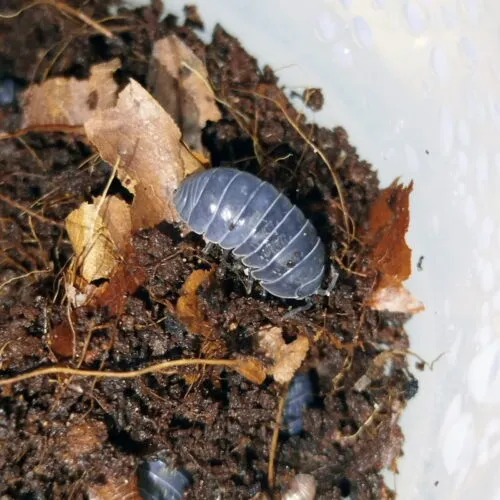
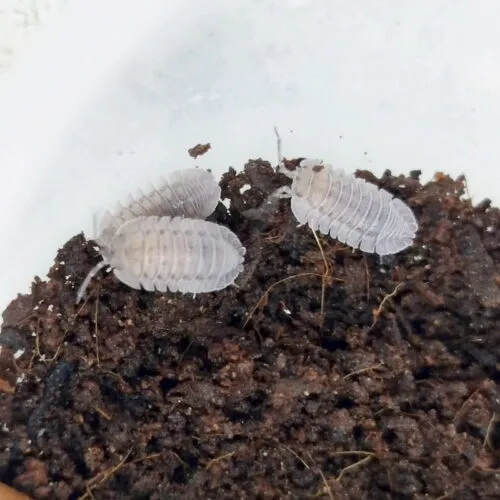
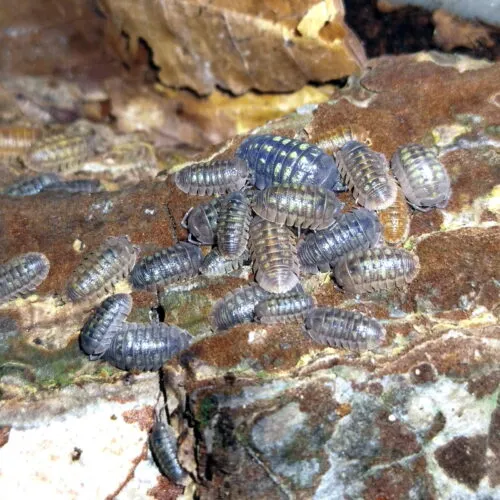
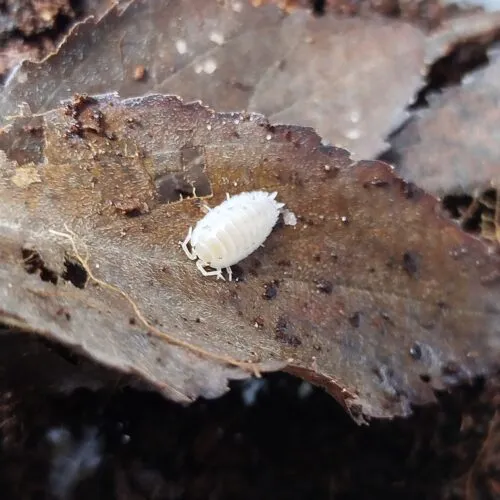
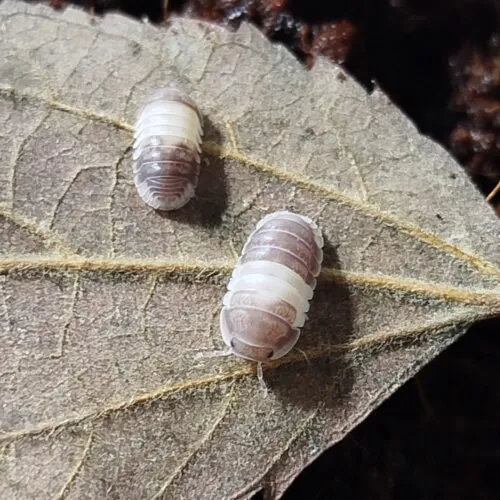
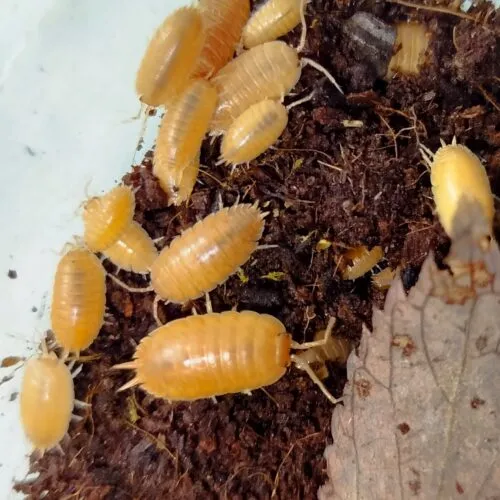
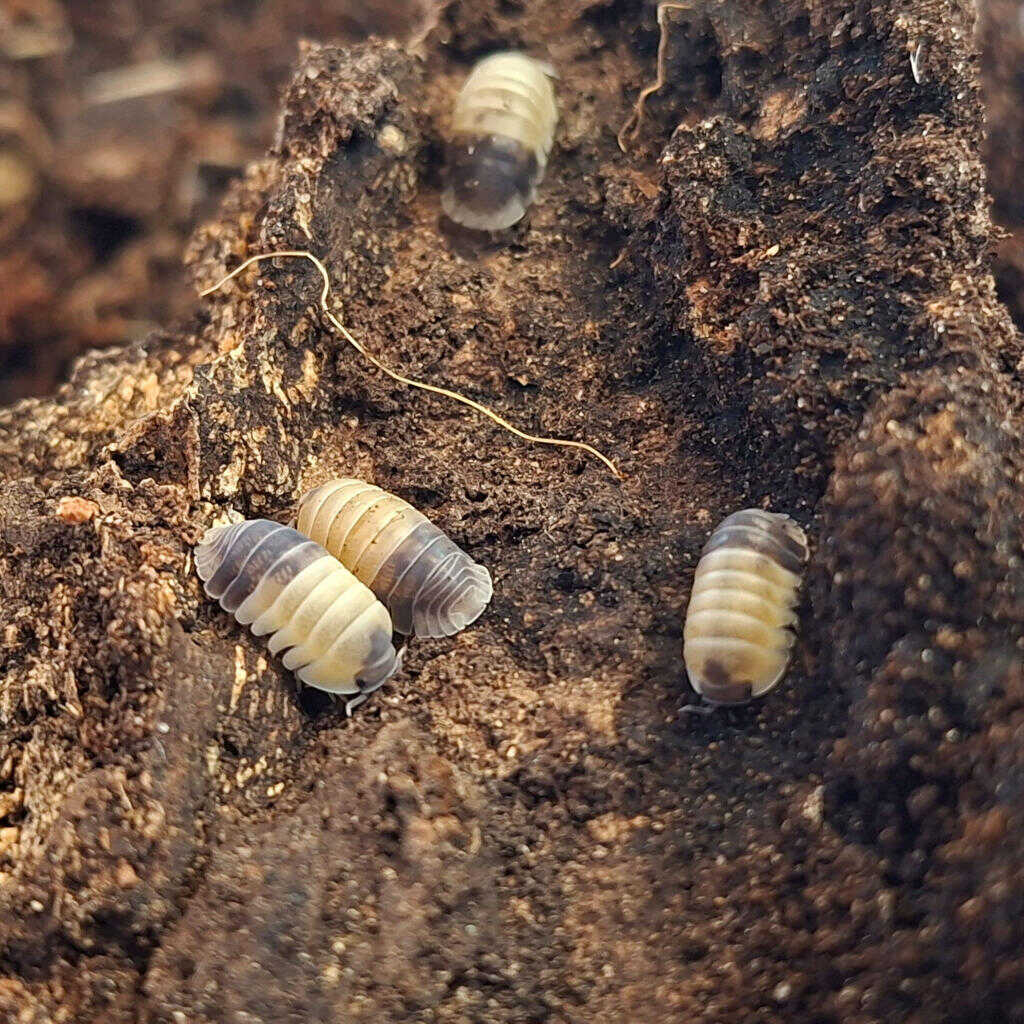
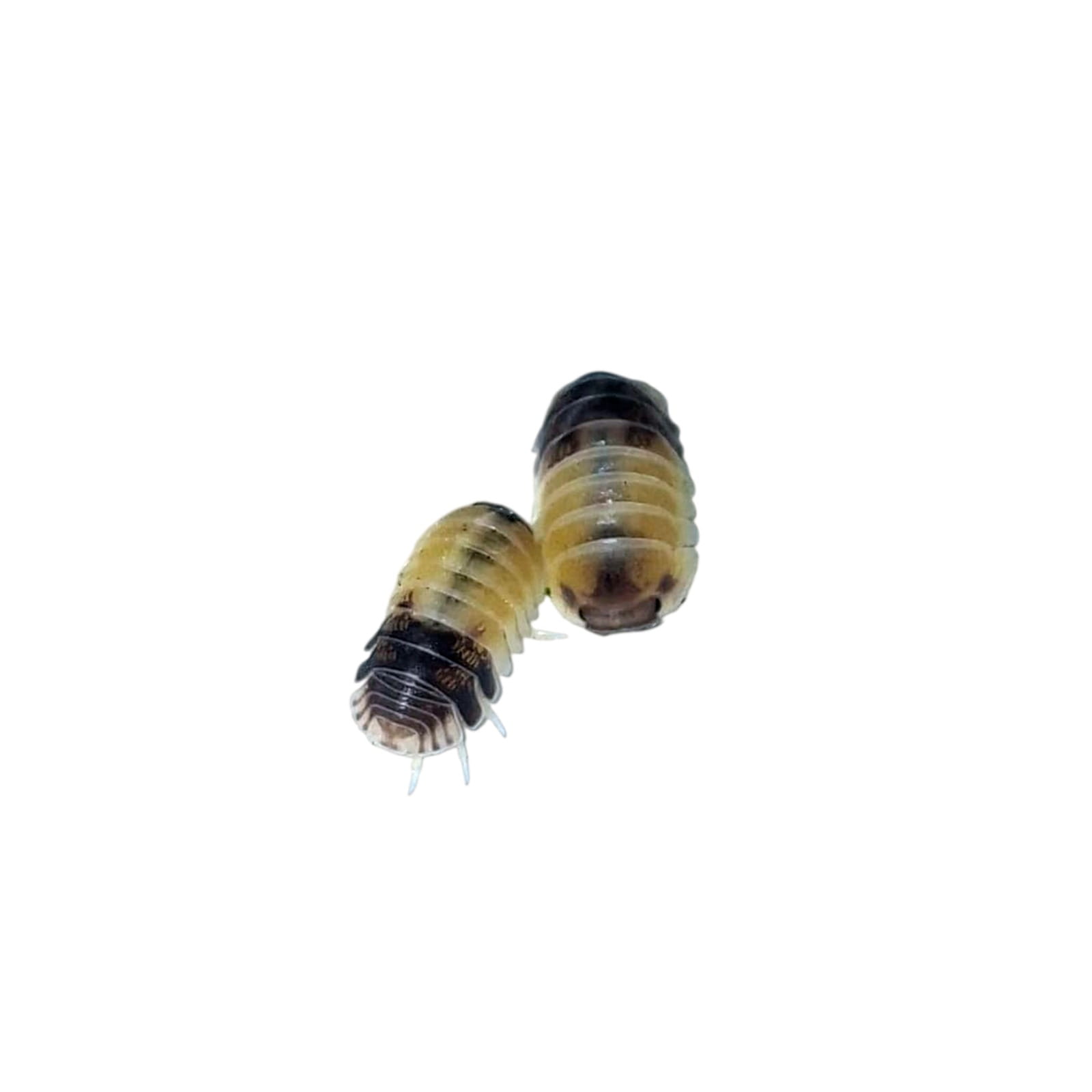
🐼 Cubaris sp. “Panda King Tapir” stands out for its distinctive appearance and attractive colouration. A small ornamental isopod for anyone who enjoys observing colonies and the tiny world of life within a terrarium. With plenty of leaf litter, decaying wood, humidity and hiding places, you can watch the colony gradually grow.
Cubaris sp. “Panda King Tapir” is a small ornamental isopod valued for its distinctive appearance and contrasting coloration. It belongs to the genus Cubaris and is mainly found among leaf litter, decaying wood and moist areas of the substrate.
It tends to remain hidden during the day, but once the colony becomes established, the animals can become quite active, particularly from dusk onwards and throughout the night.
📋 Technical specifications
- Scientific name: Cubaris sp. “Panda King Tapir”
- Common name: Panda King Tapir
- Type: Terrestrial isopod
- Adult size: approx. 10–15 mm
- Recommended temperature: 22–26 °C
- Humidity: High
- Activity: Mainly nocturnal
- Diet: Detritivorous and omnivorous
- Temperament: Peaceful
- Reproduction: Live-bearing
- Care level: Intermediate
🪵 Substrate
A suitable substrate should retain moisture while also providing plenty of organic material. A mixture containing suitable soil for invertebrates, decomposing wood and leaf litter provides a good foundation for the colony.
Soft, decaying wood and dry leaf litter are particularly important, as they not only provide food but also form part of the natural environment where the isopods spend much of their time.
Pieces of bark or cork can also be added to create sheltered areas and hiding places.
💧 Humidity
Panda King Tapir requires a humid environment, but the enclosure should not be kept constantly waterlogged. The easiest approach is to maintain one section of the substrate slightly wetter than the rest, allowing the isopods to move between areas with different moisture levels.
Moisture should be maintained particularly well in the deeper layers of the substrate. Adequate ventilation helps prevent stagnant air and excessive mould growth.
🌡️ Temperature
A temperature range of approximately 22–26 °C is suitable for keeping this isopod.
There is no need to use high temperatures to try to increase activity or reproduction. During hot weather, pay particular attention to the temperature inside the enclosure and keep it away from direct sunlight.
🍂 Feeding
Although the isopods make use of decomposing plant material already present in the substrate, their diet should be supplemented regularly.
Suitable foods include:
- Dry leaf litter.
- Soft, decaying wood.
- Suitable vegetable-based foods for isopods.
- Small amounts of protein-rich food.
- Sources of calcium.
Leaf litter should always be available, and it can be gradually replenished as the colony consumes it.
Calcium is also important for proper exoskeleton development. It can be provided in the form of cuttlebone or another suitable calcium source for isopods.
🌿 Decoration and hiding places
They do not require elaborate decoration. A generous layer of leaf litter, pieces of wood and several sections of bark create a much more useful environment than an enclosure that is excessively decorated.
Hiding places also help retain small pockets of moisture and provide shelter during daylight hours.
🐣 Reproduction
Once the colony has settled in and stable conditions are maintained, reproduction can begin. Young isopods are very small and usually remain hidden among the substrate and leaf litter during their early stages.
For this reason, colony growth may seem slow at first. Once established, the number of individuals gradually increases as long as suitable conditions are maintained and enough food is available.
🌙 Behaviour
This is a peaceful isopod that generally causes no problems when kept as a colony. During daylight hours it tends to remain hidden, becoming more active once the enclosure is dark.
Handling should be kept to a minimum to allow the animals to settle naturally. For observation, the best time to watch the colony is usually from dusk onwards or during the night.
🐼 A small isopod with plenty of character
Panda King Tapir combines the appeal of Cubaris with a distinctive colour pattern that makes it stand out among ornamental isopods. Its small size, discreet habits and the gradual development of the colony make it an interesting choice for anyone who enjoys observing small invertebrates.
With a suitable substrate, well-managed humidity, plenty of plant material and adequate hiding places, it can be provided with a stable environment in which the colony can gradually establish and grow.
| Options | 1 unit |
|---|
Related products